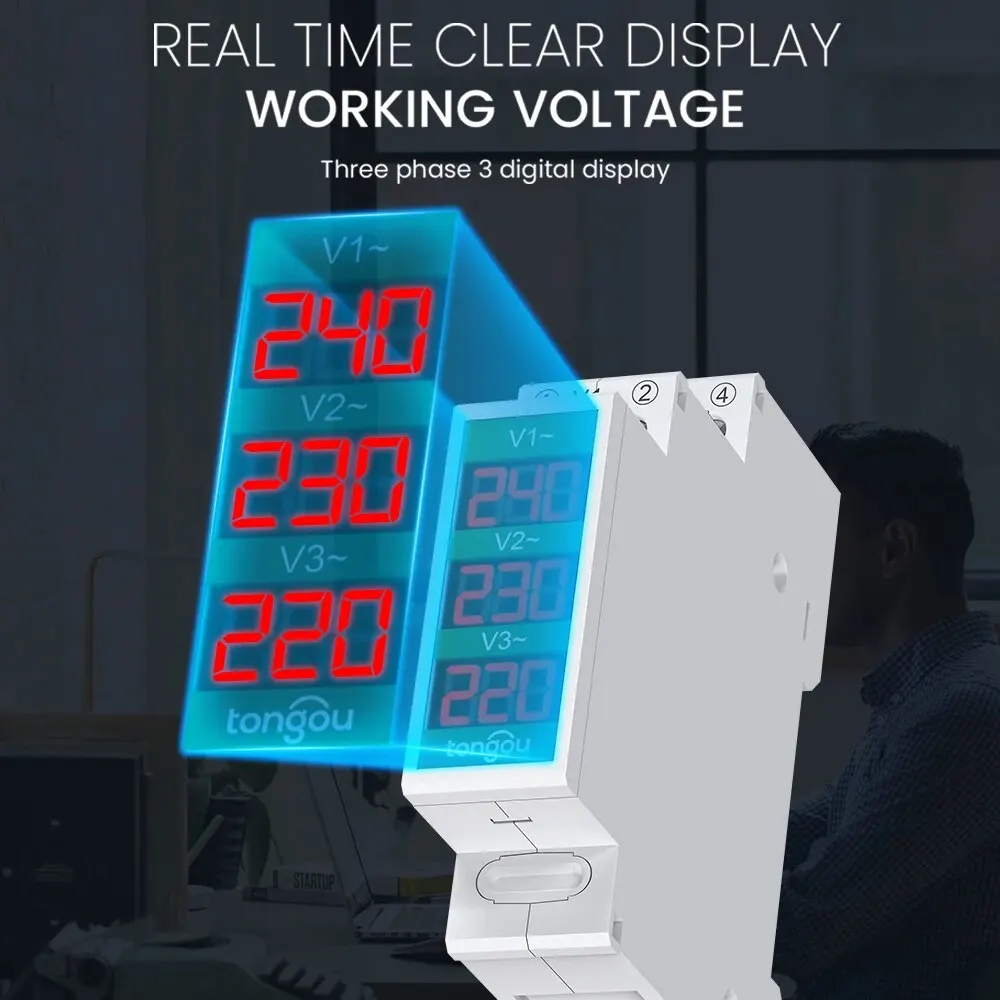
Voltmètre Triphasé Mini : Affichage LED Incroyablement Précis !
- Voltmètre triphasé mini digital LED
- Petit voltmètre triphasé avec affichage clair
- Précision de lecture voltmètre triphasé compact
- Voltmètre triphasé mini pour tableau électrique
- Affichage LED voltmètre triphasé et qualité de mesure
- Voltmètre triphasé mini et conformité normes électriques
- Installation voltmètre triphasé mini et câblage
- Voltmètre triphasé mini et diagnostic réseau électrique
- Comparaison voltmètre triphasé mini et autres types de voltmètres
- Voltmètre triphasé mini et mesure tension réseau
- Fonctionnement voltmètre triphasé mini et indication LED
- Voltmètre triphasé mini et protection des équipements, surcharge
- Voltmètre triphasé mini et maintenance préventive
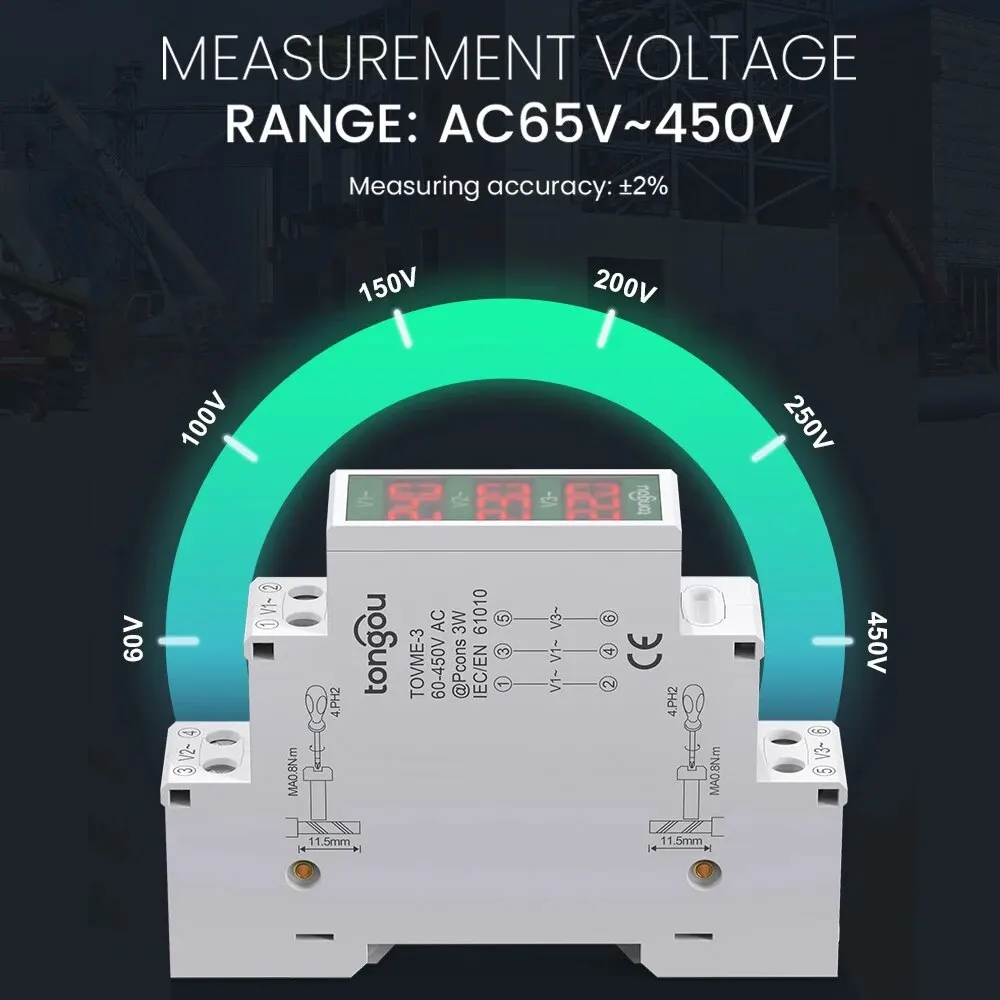
- Voltmètre triphasé mini avec plage de mesure étendue
- Voltmètre triphasé mini et facteur de puissance, cos φ
- Voltmètre triphasé mini pour applications industrielles
- Voltmètre triphasé mini et compatibilité avec les onduleurs
- Voltmètre triphasé mini et résolution d'affichage LED
- Voltmètre triphasé mini et durée de vie des LED
- Tarif et achat voltmètre triphasé mini haute précision
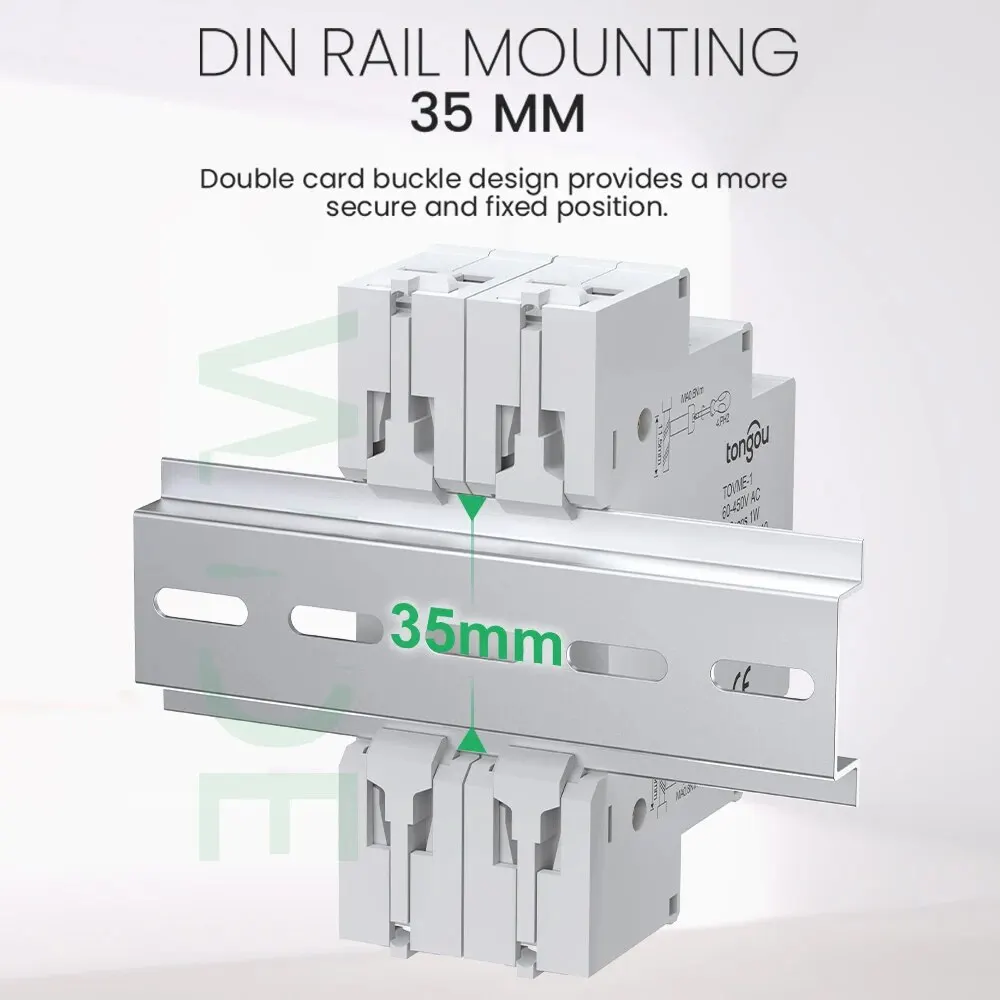
- Voltmètre triphasé mini dimension encastrement
- Voltmètre triphasé mini et consommation électrique
- Voltmètre triphasé mini et visualisation phases
- Voltmètre triphasé mini, qualité de l'affichage LED
- Voltmètre triphasé mini, test, et mesure tension phase-phase
- Voltmètre triphasé mini, caractéristiques techniques
- Voltmètre triphasé mini, rétroéclairage LED
- Voltmètre triphasé mini et détection des anomalies
- Voltmètre triphasé mini, fabrication et fournisseurs
- Voltmètre triphasé mini, protection IP pour l'environnement
Voltmètre Triphasé Mini : Affichage LED Incroyablement Précis !
X96Q PRO PLUS : La Box Android 8K qui Va Révolutionner Votre Salon !Okay, Let's Talk About That Tiny Little Lifesaver: The Voltmètre Triphasé Mini (And My Electrical Adventures!)
Alright, folks, buckle up! We're diving headfirst into the world of the Voltmètre Triphasé Mini. And let me tell you, after my… ahem… experiences with wonky wiring, this little gadget is basically a guardian angel in a tiny LED display. Forget dry technical jargon, we're going to make this real.
H2: My Love-Hate Relationship with Electricity (And Why I Needed This Thing)
Look, I'm no electrician. My skills with a screwdriver max out at hanging pictures (sometimes crookedly). But, like every DIY enthusiast, I've gotten overzealous. Remember that time I tried to install a new… well, let's just say a thing… in the garage? Yeah, let's not. Let's just say, sparks happened. Smoke happened. My wife's screaming happened. And then silence… followed by a blown fuse and a whole lotta shame.
This is where the Voltmètre Triphasé Mini comes in.
H3: What IS This Magic Box Anyway? (And Why Should You Care?)
So, what exactly is this thing? Essentially, it's a miniature marvel that shows you the voltage in your three-phase electrical system. Think of it as a tiny, super-accurate peepshow for your power. And trust me, knowing your voltage isn't just a nerdy electrician thing; it's about safety, preventing expensive meltdowns (like my garage incident!), and generally keeping your stuff from, you know, bursting into flames.
H4: The "Mini" Part: Seriously Small, Seriously Useful
The “mini” part isn’t kidding. This thing is tiny! You could probably lose it in a toolbox (which I've almost done, multiple times). But that minuscule size means it fits into tight spaces, which is a godsend when you're crammed into a fuse box, sweating, and praying you don’t accidentally electrocute yourself.
H2: The "Incroyablement Précis" Claim: Does It Actually Work? (Spoiler Alert: Yes!)
Okay, so the marketing folks promise "incroyablement précis". Are they just blowing smoke? Nope. In my experience, this little volt meter is legit. I've tested it against my trusty multimeter (another story for another time, and another, slightly less disastrous project) and the readings are spot on. It’s consistently accurate, which, frankly, is crucial when you're potentially dealing with lethal voltages.
H3: The LED Display: Bright, Bold, and Blindingly Good
The LED display? Brilliant! Literally. It’s bright, crisp, and easy to read, even when you’re contorted in the most awkward of positions trying to get a good look at it. No squinting necessary. And that’s a big win, because let's be honest, the older I get, the more I need a magnifying glass just to read the blinking time on my microwave.
H2: My Personal Adventures (And Mishaps) With the Voltmètre Triphasé Mini
Listen, I'm not going to pretend I've had only positive experiences. Nobody's perfect, and my relationship with electricity is… complicated.
H3: The Time I Almost Fried a Generator (And Learned a Valuable Lesson)
Okay, story time. I was trying to hook up a backup generator – a fairly important thing, you know, in case the power goes out (again!). I was, of course, working in a cramped space, cables everywhere, my patience already wearing thin. I finally thought I had everything wired correctly. But, before I flipped the breaker, I glanced at the Voltmètre Triphasé Mini. And… whoa. The readings were all over the place! Thankfully, before I blew out my brand-new generator, the meter tipped me off. Saved my bacon!
H3: Okay, So It Saved Me. But It Doesn't Make Me an Electrician
Let's be clear: this little volt meter doesn’t magically turn you into an electrical guru. It's a tool, not a replacement for professional expertise. I still call in the pros when I'm out of my depth. (And I'm always out of my depth). Nevertheless, it's a darn good safety net.
H2: The (Minor) Downsides: Because Nothing's Perfect
Alright, I'm not going to be overly critical, but I’m still going to be honest. Nothing is perfect.
H3: Installation - Not Always a Walk in the Park
Installation can be a little… fiddly, especially if you're working in a cramped space with spaghetti wiring (which, let’s be frank, is pretty much always). The instructions could maybe, just maybe, be clearer. Some of the diagrams are reminiscent of abstract art, and I like abstract art, but sometimes I just want to see where to put a wire.
H3: The Price Tag: Worth It, Mostly?
Honestly? This thing isn’t the cheapest gadget on the market. But when you consider the potential cost of a blown appliance, or worse, a fire, the investment feels extremely worthwhile. Seriously, the peace of mind alone is worth its weight in gold!
H2: The Verdict: Should You Buy This Thing? (A Definite Heck Yes!)
So, after all the rambling, near-disasters, and moments of sheer panic, am I a fan? Absolutely. This Voltmètre Triphasé Mini is a fantastic little piece of kit.
It's precise, easy to read, and it could prevent a whole host of electrical nightmares. This little, powerful tool is something I would recommend wholeheartedly. Don't hesitate. Trust me, your future self will thank you. Now, if you'll excuse me, I've got another project… and I think a backup power supply is calling my name… Wish me luck! Wish us all luck, really. We might just need it.
FAQ sur ce truc… Voltmètre Triphasé Mini ! (et mon combat avec)
C'est quoi, exactement, ce Voltmètre Mini ? On parle bien d'un truc… utile ?
Techniquement, c'est un machin qui mesure la tension sur un réseau triphasé. Genre, pour les moteurs, les machines… bref, tout ce qui tourne sous du 380V (ou l'équivalent). Utile ? Oh, oui ! Surtout si tu as un atelier, une petite boîte… ou que tu bricoles beaucoup. (Moi, je suis plus dans le "beaucoup de bricolage", et ça me simplifie la vie. Ou pas, on y reviendra.) Avec son affichage LED, tu vois les trucs en direct. Bien plus pratique qu'un multimètre et ses fils qui se baladent…
"Affichage LED incroyablement précis"… C’est vraiment le cas ? J'ai besoin de vérité.
Précis… oui, relativement. Disons que c'est *suffisamment* précis pour le commun des mortels. J'ai fait le test une fois, avec un pote électricien (qui, soit dit en passant, s'est foutu de ma gueule – "c'est quoi ce truc de geek ?”… comme si un multimètre était *plus* viril). On a comparé avec son matos pro, étalonné toussa… et ça collait à quelques volts près. En gros, si tu cherches une précision de labo… oublie ça. Si tu veux savoir si ta tension est *dans les clous*, c'est parfait. (Et franchement, je préfère ça à l'horrible lecture des aiguilles des vieux voltmètres, qui te font toujours douter. "C’est… 378 volts, ou 382 ? Euh…" )
L’installation, c’est facile, au moins ? Parce que moi et l'électricité…
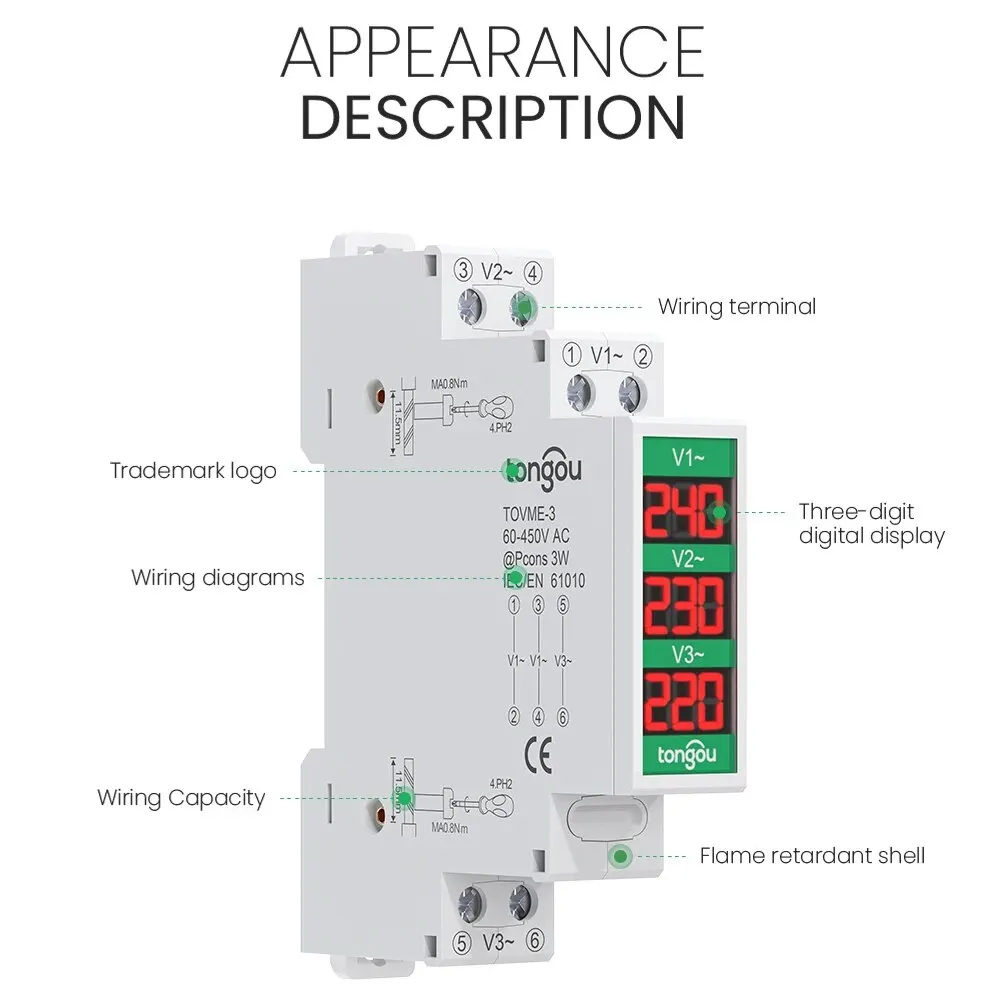
Euh… ça dépend. Si tu sais brancher un fil, en théorie, oui. Il y a quatre fils à connecter : trois pour les phases (L1, L2, L3) et un pour le neutre. Le manuel est… comment dire ? Succinct. Très, très succinct. J'ai du chercher des tutos sur YouTube… Heureusement, il y a toujours des héros pour ça. La première fois, j'ai eu peur. Genre, *vraiment* peur. J'ai coupé le courant, bien sûr. Mais quand tu branches du 380V… tu flippes. J'ai vérifié trois fois, quatre fois… Et puis, *clic*… Ça a marché. Soulagement immense. (Sauf que j'avais inversé deux fils… et ça affichait n'importe quoi. Rebelote.)
Et si je ne comprends rien à l'électricité ? Je suis foutu ?
Si tu ne comprends *rien*… demande de l'aide. Sérieusement. Un électricien. Un pote qui s'y connait. L'électricité, c'est pas un truc où on rigole. Tu peux te faire très, très mal. Ou faire sauter tout ton quartier. (Ou les deux. Imagine les emmerdes.) Mais, si tu es prêt à lire, à faire des recherches, et à prendre ton temps… ça peut être fait. Les forums, les vidéos… il y a des ressources partout. Mais, NE BRANCHE PAS CE TRUC SI TU N'ES PAS SUR DE CE QUE TU FAIS. Le prix à payer est un peu trop élevé.
Ce truc a des défauts ? Soyons honnêtes.
Oh, oui. Il a des défauts. D'abord, le manuel… C'est une blague. Ensuite, la qualité de fabrication… C'est chinois, quoi. Pas toujours le top. Un des miens, le plastique s'est fissuré après quelques mois. Mais, ça marche quand même. Et puis, les LED… Certaines sont peut-être trop lumineuses. La nuit, on dirait un sapin de Noël. (Et ça peut être énervant, surtout vers 3 heures du mat', quand tu as décidé de bricoler.) Enfin, il n'y a pas de bouton “ON/OFF”. Il est constamment allumé, tant qu'il y a du courant. Bizarre.
Le principal avantage ? Je suis curieux.
Franchement ? Le prix. C'est imbattable. Pour le prix d'un bon café, tu as un voltmètre triphasé. Alors oui, il y a des imperfections, oui, le plastique fait cheap, mais ça remplace avantageusement ce foutu multimètre et ses pointes qui bougent. Et, je dois avouer… c'est *beau*. (Oui, je suis faible. J'aime bien les gadgets.) Voir les chiffres qui s'allument, c'est satisfaisant. Genre, "Regarde, je suis *sûr* que j'ai du courant là." C'est un peu une victoire personnelle, à chaque fois. (Et avouons-le, c'est quand même plus stylé que le multimètre de mon père.)
Y a-t-il un truc que j'ai *absolument* besoin de savoir avant de l'acheter ?
Méfie-toi des contrefaçons. Il y en a plein. Achète chez un vendeur sérieux. J'ai commandé une fois… un truc immonde. Ça ne marchait jamais. J'ai perdu du temps. J'ai perdu de l'argent. Et j'ai failli jeter le truc par la fenêtre. Enfin, et plus important : DEBRANCHE TOUJOURS LE COURANT avant de faire quoi que ce soit. Et vérifie avec le multimètre (ou une autre méthode fiable) si le courant est vraiment coupé. C’est la base. Et si, malgré tout, ton compteur est "défaillant," appelle un électricien. On ne plaisante pas avec la sécurité.
Et toi, comment ça s'est passé, concrètement, avec ce truc ? Ton expérience, quoi.
Ah… Mon expérience. Bon, je suis novice en la matière, on est d’accord. J'ai acheté le premier, genre, il y a deux ans. Premier essai