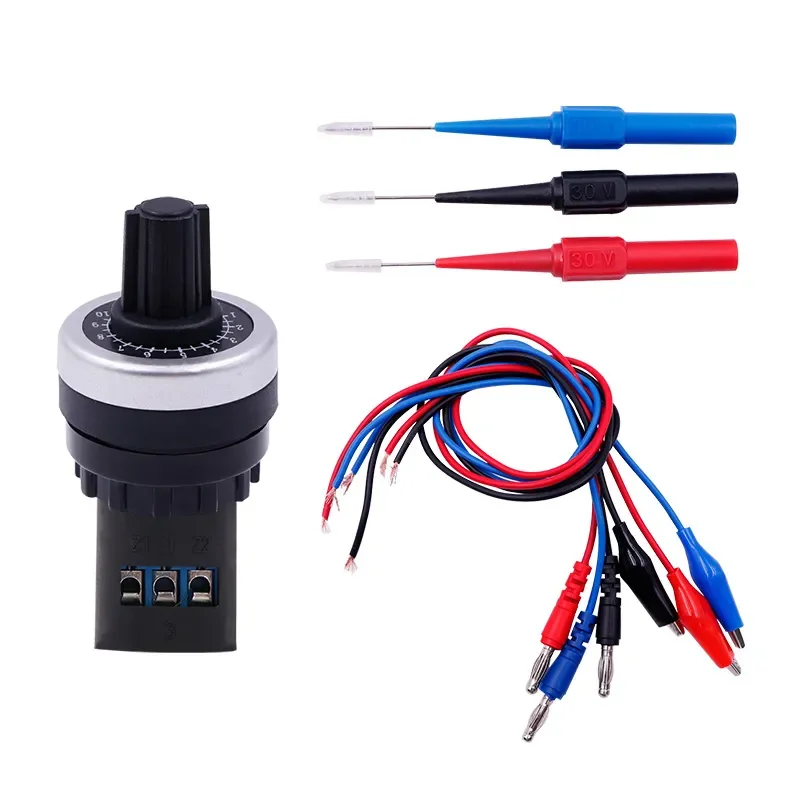
Voici quelques mots-clés longue traîne et termes LSI relatifs à "Diagnostique Votre Voiture en 1 Minute : Simulateur de Capteur Révolutionnaire !" en français :
- Diagnostique voiture rapide et précis:
- LSI: analyse mécanique, problèmes automobiles courants, diagnostic électronique, codes défaut, simulateur de capteur, réparations automobiles, entretien préventif, moteur de voiture, boite de vitesse, système de freinage.
- Simuler capteurs voiture pour diagnostic:
- LSI: calibration capteurs, défauts capteurs, OBD2, calculateur moteur, diagnostic en temps réel, valeurs capteurs erronées, tests dynamiques, oscilloscope automobile, diagnostic auto professionnel, capteurs ABS, capteurs de pression.
- Application diagnostic voiture autonome:
- LSI: diagnostic mobile, application smartphone voiture, scan voiture, interface OBD, lecture codes défaut, effacement codes défaut, données en direct, capteurs défaillants, tutoriels diagnostic auto, réparations simplifiées, guide de diagnostic.
- Résoudre problèmes voiture rapidement avec simulateur:
- LSI: panne moteur, problèmes électriques, diagnostic facile, troubleshooting auto, diagnostic DIY, diagnostic rapide panne, diagnostic voiture débutant, identifier problèmes voiture, codes d'erreur, remise à zéro, entretien voiture.
- Simulateur de capteur révolutionnaire voiture : fonctionnement et avantages:
- LSI: analyse de performance, comparaison capteurs, technologies OBD2 avancées, diagnostic précis, gain de temps, économie argent, remplacement capteurs, système injection, système d'allumage, capteurs de température.
- Diagnostic voiture en ligne pas cher:
- LSI: outils de diagnostic pas cher, scanner OBD2, diagnostic voiture gratuit, forum diagnostic, guide de réparation, tutoriels en ligne, codes défaut OBD, scanner voiture, application OBD, diagnostic voiture facile.
- Comment diagnostiquer sa voiture soi-même avec un simulateur de capteur?
- LSI: tutoriels diagnostic auto, diagnostic débutant, outils de diagnostic, scanner OBD, lecture codes erreurs, interprétation codes défauts, effacement codes défauts, remplacement pièces, maintenance automobile, diagnostics auto facile.
- Diagnostic voiture rapide et facile : le simulateur de capteur, le guide ultime.
- LSI: diagnostic OBD2, diagnostic moteur, diagnostic électronique, diagnostic boîte de vitesses, diagnostic freinage, diagnostic ABS, diagnostic airbag, codes défauts, scanner auto, outils de diagnostic.
- Le simulateur de capteur : l'outil indispensable pour un diagnostic automobile précis.
- LSI: diagnostic automobile professionnel, diagnostic précis, analyse des données, codes d'erreur, réparations, économie, gain de temps, maintenance, entretien préventif, performance, diagnostic voiture.
- Comparer les simulateurs de capteur pour diagnostic voiture : meilleur choix.
- LSI: comparaison outils diagnostic, meilleur scanner OBD2, avis simulateurs capteurs, diagnostic en profondeur, caractéristiques, prix, fonctionnalités, performance, fiabilité, diagnostic automobile.
Diagnose Votre Voiture en 1 Minute : Simulateur de Capteur Révolutionnaire !
Contrôleur de Batterie LiFePO4/Li-ion : Affichez la Capacité INSTANTANÉMENT !Boom! Diagnose Your Car in MINUTES?! (Seriously?!) My Rollercoaster Ride with the "1-Minute Car Diagnosis Simulator"
Okay, friends, buckle up. Because I'm about to tell you about a product that promised to be the Holy Grail of car ownership. A digital crystal ball. A… a thingamajigger that could tell me, in ONE MINUTE, what the heck was wrong with my beloved, yet perpetually temperamental, minivan. We're talking about the "1-Minute Car Diagnosis Simulator." And let me tell you, it was quite a journey.
H2: The Hype! (And My Skepticism Level: Nuclear)
Let's be honest, I'm no mechanic. My car knowledge extends to "does it have gas?" and "is the check engine light on again?!" So, when I saw the ads, I was simultaneously intrigued and… intensely skeptical. A one-minute diagnosis? My mechanic, bless his heart, usually takes longer just to brew a cup of coffee before attempting to diagnose the symphony of clunks and groans emanating from my minivan.
H3: The Allure of the Shortcut (And My Budget's Cries of Joy)
The appeal, though? Irresistible. Car repairs are expensive. Stupidly expensive. The idea of dodging those hefty diagnostic fees, of knowing exactly what was going on before even stepping foot in a garage? Pure, unadulterated gold. My wallet was practically throwing itself at the screen, begging to be saved from another round of “mystery problems.”
H3: But, Seriously… ONE MINUTE?! (Inner Monologue Ensues)
Okay, okay, deep breath. This sounds way too good to be true. My brain kept screaming, "SCAM!" But the nagging voice of curiosity, fueled by desperation to not spend another paycheck on car problems, whispered back, "Just try it. What's the worst that could happen?" (Spoiler alert: I eventually found out.)
H2: Unboxing and Initial Impression: Shiny! (But Is It Useful Shiny?)
The simulator arrived, all sleek and black, like a tiny, futuristic diagnostic overlord. The instructions? Let's just say they were… ambitious. They promised easy setup, clear results… and the ability to understand the complex workings of my car. (My immediate thought? "Good luck with that.")
H3: Tech Woes and the Dreaded "OBDII Port" Hunt
The first hurdle? Finding the OBDII port. Apparently, this is the magical portal to my car's inner workings. So, I dove headfirst, flashlight in hand, into the footwell of my minivan. I contorted myself into positions usually reserved for yoga instructors, battling dust bunnies and the lingering scent of stale french fries. Finally! I found it. Plugged it in. Waited.
H3: The App Interface: Does It Speak "Car Nerd" or "Total Beginner"?
The app. Oh, the app. The interface looked slick enough. But the jargon? Even for someone who's, you know, reads car information occasionally? It was like trying to decipher hieroglyphics. I was staring at a screen filled with acronyms and technical terms that felt specifically designed to make me feel stupid.
H2: The Moment of Truth: The 1-Minute Diagnosis… or the 1-Minute Meltdown?
Okay, the moment of truth. I fired up the app, selected the “Diagnose” option, and held my breath. The little progress bar spun. And spun. And… spun. My heart rate started to climb. Was it working? Was it broken? Was it going to tell me my car was possessed by the ghost of a disgruntled engine?
H3: The Results! (And My Jaw Hitting the Floor)
Finally! After what felt like an eternity, the results flashed on the screen. And… well… they were vague. Very vague. “Potential issue with the catalytic converter.” Okay… and?! What kind of issue? Is it something I can ignore for a week? Should I start selling off all my worldly possessions to afford a replacement?
H3: The Deep Dive: More Information, or Just More Confusion?
The app did offer more details. But the further I delved, the more confused I got. It was like wading through a technical swamp, filled with ambiguous diagrams and cryptic explanations. I felt like I needed a PhD in mechanics just to understand how to understand the diagnosis.
H2: My Honest (And Slightly Exasperated) Verdict: The Good, The Bad, and The Utterly Baffling.
So, after spending a few weeks wrestling with this digital oracle, what's the verdict?
H3: The (Possibly) Good: Avoiding the Diagnostic Fees?
The idea of saving on diagnostic fees is definitely appealing. If the simulator actually provided specific, useful information, it would be a game-changer. And maybe, just maybe, it could provide a starting point for figuring out what's wrong.
H3: The Bad: Vague Information and Over-Complicated Explanations
The reality, though, was less impressive. The diagnoses were often too vague to be truly helpful. And the explanations? Overly complicated for the average car owner. It's like getting a diagnosis in a language you sort of understand but mostly need Google Translate for.
H3: The Utterly Baffling: My Personal Catastrophe with a "Fuel System" Error
(Deep breath… okay, here we go…) So, one day, the dreaded check engine light blazed to life. I plugged in the simulator. The verdict? "Fuel system issue." Okay! Great! Except… the app then started throwing terms around like "air-fuel ratio," "fuel injectors," and "oxygen sensors." (Cue the blank stare.) I spent HOURS researching these terms online, cross-referencing forums, and generally feeling more lost than a polar bear in the Sahara.
I finally bit the bullet and took my minivan to my mechanic. Guess what the problem was? A loose gas cap. A loose gas cap! The simulator, with all its whiz-bang technology, couldn't identify something so simple. I could have fixed it in five seconds! The disappointment was… visceral. I laughed, I cried… I may have even yelled at the app. (It didn't seem to mind.)
H2: Final Thoughts: Buyer Beware (But Maybe Try It Anyway?)
Look, the "1-Minute Car Diagnosis Simulator" isn't a total disaster. It's a neat gadget with some cool (if slightly overwhelming) technology. But don't expect miracles. It's not a replacement for a good mechanic. And it definitely won't magically turn you into a car expert.
H3: Who Might Actually Benefit From This?
Maybe, maybe, it could be useful for someone with a basic understanding of car mechanics, who wants a quick heads-up before taking their car to a shop. Or for the super-enthusiastic hobbyist who loves tinkering and is always looking for more information.
H3: My Recommendation: Use with Caution (And Maybe a Sense of Humor)
My advice? Approach the "1-Minute Car Diagnosis Simulator" with tempered expectations and a healthy dose of skepticism. Be prepared for vague answers and technical jargon. And, most importantly, be ready to laugh (or cry) when the "genius" simulator can't diagnose a loose gas cap. Because, let's be real, owning a car is already a hilarious (and often frustrating) experience. This simulator just adds another layer to the absurdity. Good luck, and happy motoring (and troubleshooting)!
C'est quoi, ce truc "Diagnose Votre Voiture en 1 Minute" ? C'est vraiment magique ?
Alors, magique... disons que c'est plus de la techno qu'Harry Potter. Imagine-toi un petit boîtier, genre la taille d'un briquet (mais pas pour fumer, hein !), que tu branches dans ta voiture. Et zou ! En théorie, il te donne une idée de ce qui ne va pas. En gros, c'est comme avoir un petit docteur pour ta bagnole qui te dit s'il y a un "mal de tête" (voyant moteur allumé) ou un "rhume" (capteur défaillant). Mais attention ! Ne t'attends pas à ce qu'il te change les bougies ! C'est plus pour te donner une piste, un premier diagnostic.
Anecdote : J'ai failli pleurer la première fois que j'ai branché ça. Ma voiture, une vieille dame de plus de 20 ans, montrait tous les voyants possibles et imaginables. J'ai cru que c'était la fin du monde automobile ! Finalement, c'était "juste" une sonde lambda capricieuse. Ouf !
Ça marche sur toutes les voitures ? Même ma vieille clio de 1998 ?
Bonne question ! Pas toutes, malheureusement. Il faut que ta voiture soit compatible OBD2 (ou EOBD pour l'Europe). Généralement, les voitures essence d'après 2001 et les diesels d'après 2004, c'est bon. Si ta Clio date de 1998, tu es peut-être un peu limite… Mais vérifie quand même, on ne sait jamais ! Google est ton ami pour ça : tape "compatibilité OBD2 [modèle de ta voiture]".
Impérfection : J'ai vu des gens frustrés car ça ne marchait pas sur leur vieux tacot. C'est compréhensible, surtout quand on a déjà claqué du fric dans le kit… Moi, j'ai eu de la chance, mais je compatis !
"Simulateur de capteur révolutionnaire"... C'est du pipeau ? Ça sert à quoi vraiment ce truc ?
"Révolutionnaire"… c'est peut-être un peu exagéré, faut pas se mentir ! Mais oui, ça peut être utile. Ça sert principalement à :
- Diagnostiquer les problèmes : Identifier les codes défauts (pour ça, c'est efficace).
- Éteindre le voyant moteur : Si le problème est mineur (mais attention ! Ne fais pas ça si tu n'es pas sûr de toi !).
- Suivre les données en temps réel : Genre la température du moteur, la vitesse, etc. (pour les geeks).
Rambling : Le coup du "simuler" les capteurs… Franchement, c'est plus pour le marketing qu'autre chose. En gros, il te dit ce que les capteurs "voient" quand ça ne va pas, mais pas de façon très poussée. C'est pas comme si tu pouvais réparer ta voiture avec ce truc… On reste pragmatique, hein !
C'est facile à utiliser ? Même pour une blonde (ou un nul en mécanique) ?
Oui, normalement, c'est assez simple. Tu branches, tu allumes, tu suis les instructions (qui sont souvent traduites en plusieurs langues, ouf !). L'interface est généralement intuitive. Mais bon, ne t'attends pas à devenir mécanicien du jour au lendemain !
Observation : J'ai lu des avis de personnes qui gueulaient contre la notice "pas claire". C'est vrai que parfois, ils abusent sur la jargon technique. Mais en général, avec un peu de patience et Google, ça se fait. Surtout, ne panique pas !
Emotional reaction : Personnellement, je suis nul en mécanique. Alors j'ai failli jeter le truc par la fenêtre la première fois. J'avais l'impression de parler chinois ! Mais après quelques tutos sur YouTube, ça s'est arrangé. Respire, ça va bien se passer (peut-être).
Il y a des risques avec ce truc ? Je veux pas aggraver le problème !
En théorie, non. Tu ne vas pas "casser" ta voiture en le branchant. Le pire qui puisse arriver, c'est qu'il ne détecte rien ou qu'il te donne des infos erronées. Mais il y a un truc : Si tu n'y connais rien en mécanique, ne fais pas n'importe quoi ! Surtout, ne manipule pas les réglages si tu ne sais pas ce que tu fais.
Quirky observation : L'autre jour, j'ai vu quelqu'un sur un forum qui disait avoir "réparé" sa voiture en éteignant le voyant moteur… Il ne l'avait pas réparée ! Il avait juste camouflé le problème. Gare aux mauvaises surprises !
Est-ce que je peux l'utiliser pour contrôler les émissions de ma voiture pour le contrôle technique ?
Ça dépend. Il peut te donner des informations sur l'état des émissions (si un capteur est défaillant). Mais il ne remplacera jamais un vrai test antipollution réalisé par un professionnel.
Emotional reaction (bad) : Moi, j'ai cru que je pourrais contourner le contrôle technique avec ce truc… Grosse erreur ! J'ai pris une claque ! Il vaut mieux y aller l'esprit tranquille, même si ça coûte cher.
C'est quoi la différence avec un diagnostic chez un garagiste ? C'est pas pareil, non ?
C'est pas la même chose, non. Le garagiste, il a des appareils professionnels, beaucoup plus précis et qui peuvent accéder à des informations que ce petit boîtier ne peut pas lire. Un garagiste, il fait un diagnostic complet, il te dit exactement ce qui cloche et il peut réparer ta voiture. Ce petit appareil, lui, c'est plus une aide, une première approche.
Rambling and opinionated : Le garagiste, c'est la Rolls-Royce, le petit appareil, c'est la trottinette... C'est pas que c'est nul, c'est juste qu'il ne faut pas se faire d'illusions. Si tu as un vrai problème, va voir un vrai mécano ! Sinon, ton appareil, ça peut toujours aider à déceler des petits trucs.