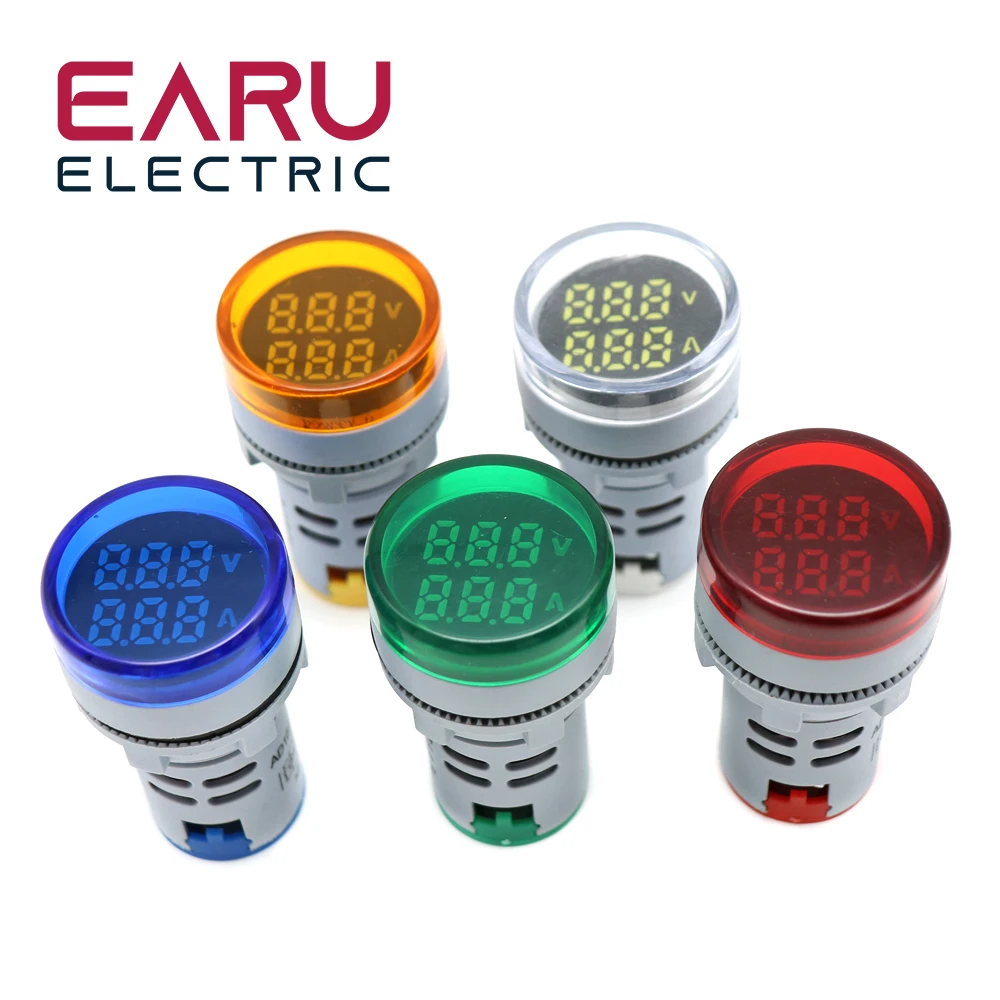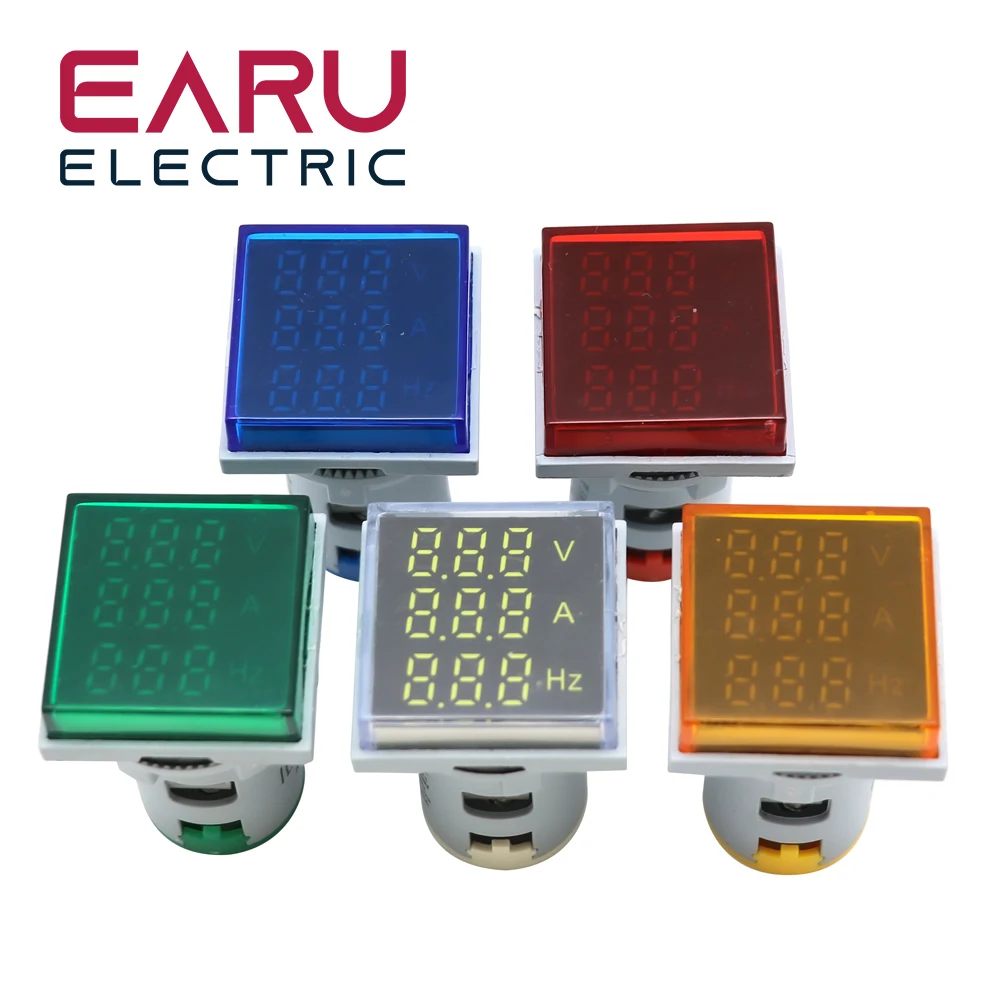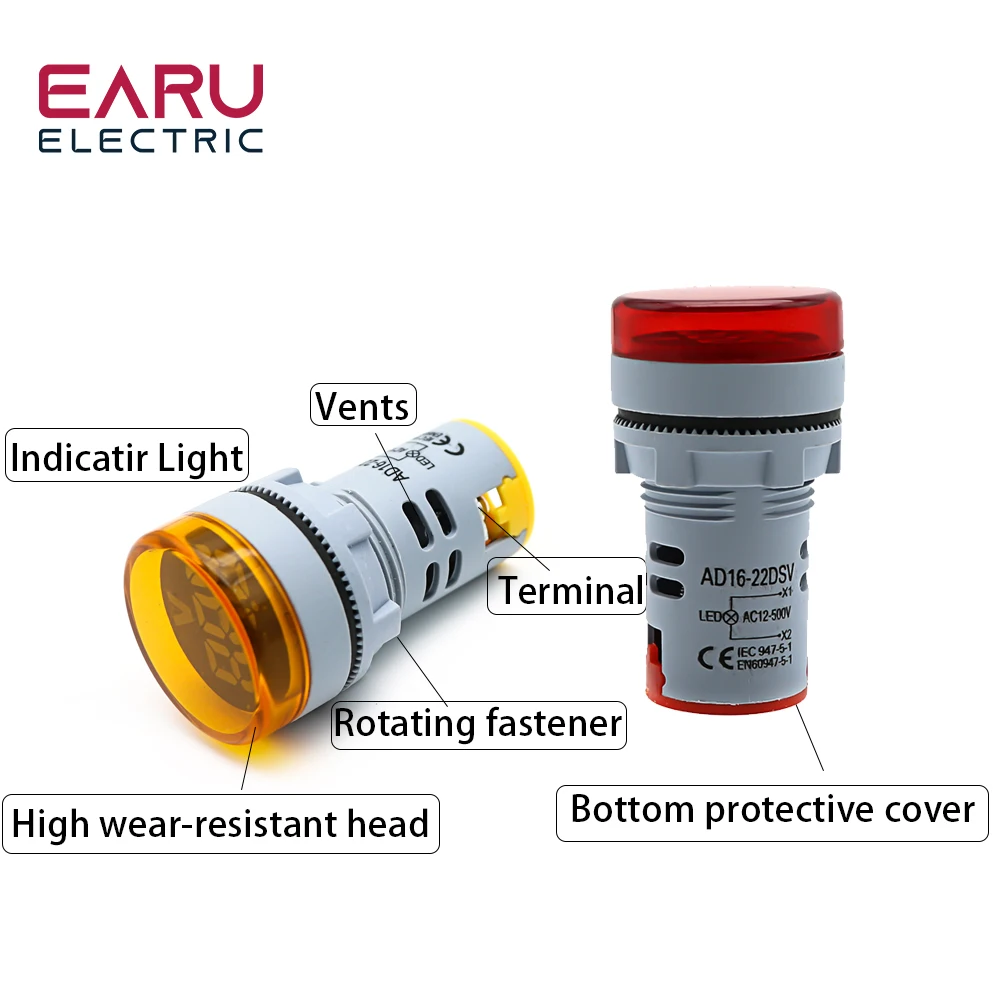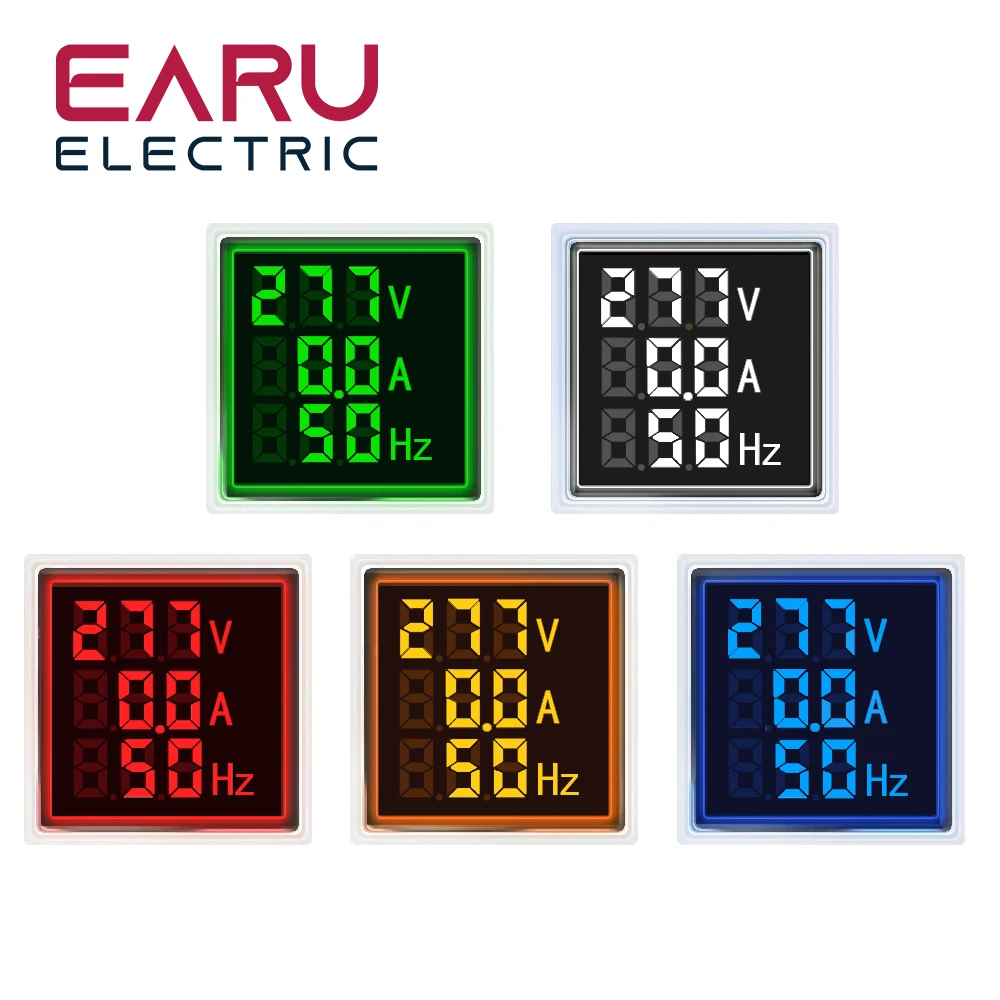
Volt-Ampèremètre LED DIGITAL : Mesurez TOUT ! (20-500V, 1-100A)
- Volt-ampèremètre digital LED 20-500V 1-100A : précision et fiabilité
- Affichage digital volt-ampère mètre LED : mesure tension alternatif et courant continu
- Choisir un volt-ampèremètre LED numérique : caractéristiques et applications
- Volt-ampèremètre numérique LED 20-500V 1-100A : installation et calibrage
- Comparaison volt-ampèremètres LED : modèles numériques avec indicateur digital
- Applications industrielles volt-ampèremètre LED : mesure de courant, tension, puissance
- Volt-ampèremètre digital LED pour batteries : mesure de courant et tension en continu
- Dépannage volt-ampèremètre digital LED : problèmes d'affichage, de précision
- Meilleur volt-ampèremètre LED digital : guide d'achat 20-500V, 1-100A
- Volt-ampèremètre LED intégré : utilisation dans panneaux solaires et systèmes électriques
- Comment lire un volt-ampèremètre digital LED : tension, courant, affichage numérique
- Volt-ampèremètre LED numérique compact : dimensions et facilité d'installation
- Tests et mesures électriques avec volt-ampèremètre LED : courant alternatif et continu
- Volt-ampèremètre digital LED 20-500V 1-100A : connectique et raccordement
- Fonctionnement volt-ampèremètre digital LED : principes de mesure, capteurs
- Volt-ampèremètre LED numérique : comparaison avec voltmètre et ampèremètre séparés
- Avantages et inconvénients volt-ampèremètre digital LED : précision, fiabilité, prix
- Acheter un volt-ampèremètre LED numérique : promotions et meilleurs prix
- Volt-ampèremètre LED digital : applications automobile, électronique, bricolage
- Volt-ampèremètre digital LED pour chargeurs de batteries : surveillance du courant
- Erreurs de mesure avec volt-ampèremètre LED digital : calibrage et précautions
- Volt-ampèremètre LED numérique avec protection de surcharge : sécurité électrique
- Volt-ampèremètre digital LED : mesure de la tension batterie et courant de charge
- Volt-ampèremètre LED numérique rétro-éclairé : visibilité en faible luminosité
- Volt-ampèremètre digital LED : entretien et maintenance pour une longue durée de vie
Volt-Ampèremètre LED DIGITAL : Mesurez TOUT ! (20-500V, 1-100A)
Boostez votre WiFi ! Antenne Wifi Bluetooth Zigbee Extérieure IncroyableOh. My. God. This Volt-Amp-What-Now? My Chaotic Love Affair with a Digital LED Powerhouse
Alright, folks, gather 'round. Let's talk about something I've been wrestling with… and mostly winning, thankfully. It's this little gizmo, this… this Volt-Ampèremètre LED DIGITAL : Mesurez TOUT ! (20-500V, 1-100A). I know, the name sounds like something a robot would order on Amazon. But trust me, it's WAY more human than it sounds. And honestly? It's almost become my… friend.
H2: First Impressions: Fear, Loathing, and a Teeny Tiny Screwdriver
Okay, let's be real. The first time I saw this thing, I was intimidated. Electronics? Measurements? Volts? Amps? My brain immediately conjured images of sparking wires and me, looking like a cartoon character post-zapping. My palms SWEATED.
But the package arrived, a tiny box promising BIG things. And guess what? It came with the most adorable little screwdriver. Seriously, that little thing was so cute, I ALMOST didn't feel like I was about to electrocute myself. (Emphasis on almost.)
H3: The Manual: A Journey Through Pidgin English and Diagrams That Made My Eyes Cross
The manual, bless its cotton socks, was… a journey. Let's just say the English wasn't exactly Shakespearean. There were diagrams that looked like someone had thrown spaghetti at a wall and then called it a schematic. Reading it felt like deciphering secret codes from a faraway galaxy. I spent a solid hour staring at it, muttering, "What does a 'terminal' even mean?"
H4: My First Attempt: Smoke, No Smoke, and a Mild Panic Attack
So, armed with my newfound knowledge (and a healthy dose of YouTube tutorials), I bravely ventured forth. I connected the wires. I held my breath. I flipped the switch.
…Nothing.
Phew. Okay, crisis averted. I’d obviously done something wrong. I checked, re-checked, and then, with a final, shaky breath, flipped that switch again.
This time… it worked! The little LED screen lit up. Numbers! Actual, real-life numbers! I felt… victorious. And then, utterly terrified. Did I wire it correctly? Am I about to blow up my entire workshop? My heart was doing the Macarena.
H2: Learning the Ropes (and the Wires): From Fumbling to Feeling Feisty
It wasn't smooth sailing, I’ll be honest. I made mistakes. I short-circuited a thing or two. (Don't worry, nothing exploded. Mostly.) There were moments of utter frustration, where I wanted to chuck the entire thing out the window.
But bit by bit, I started to understand how it worked. I learned the difference between volts and amps (thank God for YouTube). I even started to enjoy it. Seriously. It's weird, but seeing those numbers dance across the screen, knowing I was measuring the flow of electricity… it's kind of… empowering.
H3: The Unexpected Joy of Seeing the Numbers Dance!
Seriously, the numbers! It's like watching a little electronic ballet. You flip a switch, and BAM! Voltage! Current! It's instant gratification! I’d find myself just staring at it, mesmerized, watching the numbers fluctuate as I tinkered with various projects.
H4: A (Slightly Embarrassing) Confession: I Started Measuring EVERYTHING
Okay, I admit it. I became obsessed. My friends started to avoid me. "Oh no," they'd groan, "Here comes [my name] with her measuring device!"
I started measuring the power consumption of my toaster. I tested the voltage of my phone charger. I even checked the current draw of my Christmas tree lights (turns out, they're surprisingly power-hungry!). I became that person. The one who carries a multimeter like a modern-day superhero.
H2: The Good, the Bad, and the Ugly (of the Real World)
This thing isn’t perfect. Let's be real.
H3: The Good: It Actually Works! And Relatively Cheap Too.
The best part? It works. It does exactly what it's supposed to do. It measures volts, amps, and all that jazz. And the price? Surprisingly reasonable. You get a lot of bang for your buck.
H3: The Bad: The Instructions Are Still… Challenging.
Look, I’m not going to lie. The instruction manual is still a pain. You will probably have to consult YouTube. You will likely scratch your head at some point. But hey, that's part of the fun, right? (Mostly… sometimes it’s just frustrating.)
H3: The Ugly: My Own Dumb Mistakes.
Okay, this isn't the device's fault, but I have to admit: I've made some seriously boneheaded mistakes. Like the time I tried to measure something while it was still plugged in. Or the time I wired something backwards. Let’s just say, learning curve is a real thing. And a shock. Literally.
H2: My Final Verdict: A Love Story (With Sparks, Sometimes)
Look, this Volt-Ampèremètre might seem intimidating at first. It might even make you want to run screaming from the room. But trust me: Stick with it. Take it slow. Watch some videos. And embrace the inevitable moments of confusion and the occasional accidental short circuit.
Because once you get the hang of it… it’s amazing. It opens up a whole new world of understanding about electricity. It lets you see the invisible forces that power our world. And honestly? It’s just plain cool.
So, yes. I'm in love. With a digital LED measuring device. Don’t judge me. Just… buy one. You might just fall for it too. And tell me about it. I need someone who understands. And maybe, just maybe, we can compare notes… and swap stories about our near-death electrical experiences. That’s the real fun.
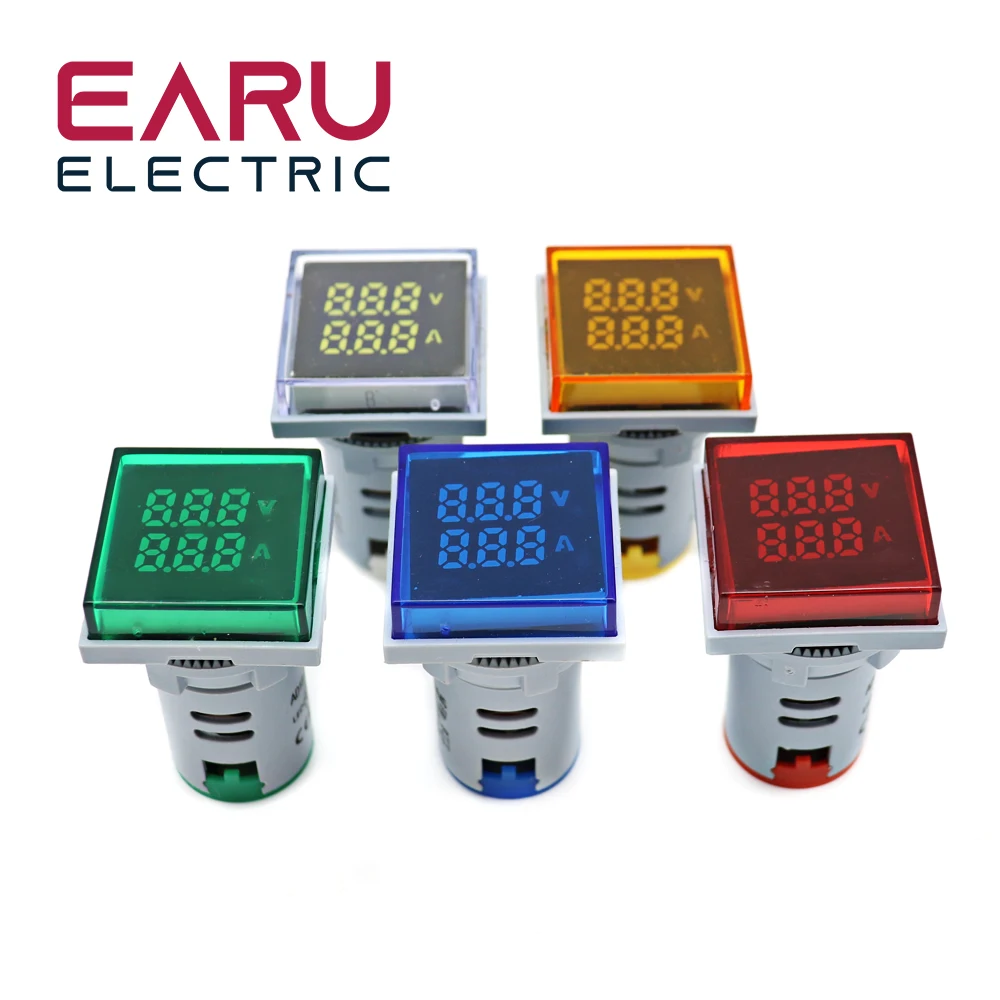
Okay, so... what exactly *is* this thing? I'm a bit lost.
Alright, picture this: you're, like, tinkering in your garage, maybe fixing a lamp, perhaps you're building some crazy, homemade contraption (no judgment!). You need to know how much voltage (that's the "oomph") and amperage (that's the "current flow") is running through your wires. Well, this little digital guy, the Volt-Ampèremètre, is your new best friend. It's basically a digital display that shows you those numbers. Think of it as the superhero that measures the *spark* in your life, the one which says "Ah, yeah, you shouldn't touch *that* wire in your current state!"
I'm terrified of electricity! Will this explode in my face?
Okay, deep breaths. Let's be real: everyone should respect electricity. It *can* bite. This meter itself *shouldn't* explode, but *you* need to be smart. **HUGE DISCLAIMER:** If you're not comfortable working with electricity, DON'T. Hire a qualified electrician. Seriously. I'm just a guy with too much time on his hands, and this is for entertainment, not life-or-death situations. That said, as long as you connect it correctly (follow the instructions, triple-check!), this thing won't spontaneously combust. The meter itself is designed to measure volts and amps, within the specified ranges (20-500V, 1-100A). Think of it as a passive observer, not a rogue AI. You know, *hopefully*. But… read the instructions. Seriously.
What are the voltage and amperage ranges? Does it matter?
Yes, it bloody well matters! This baby handles between 20 and 500 Volts and 1 and 100 Amps. Think of it like a measuring stick: you can't use a ruler that's only 1 inch long to measure a kilometer, right? If your project uses voltage or current *outside* of those limits, this meter is useless, and maybe even dangerous. And let's be clear, some things can *really* eat up the Amps.. don't plug it up directly to your fridge! And of course, high voltage is a big NO-GO.
Installation? Sounds complicated…
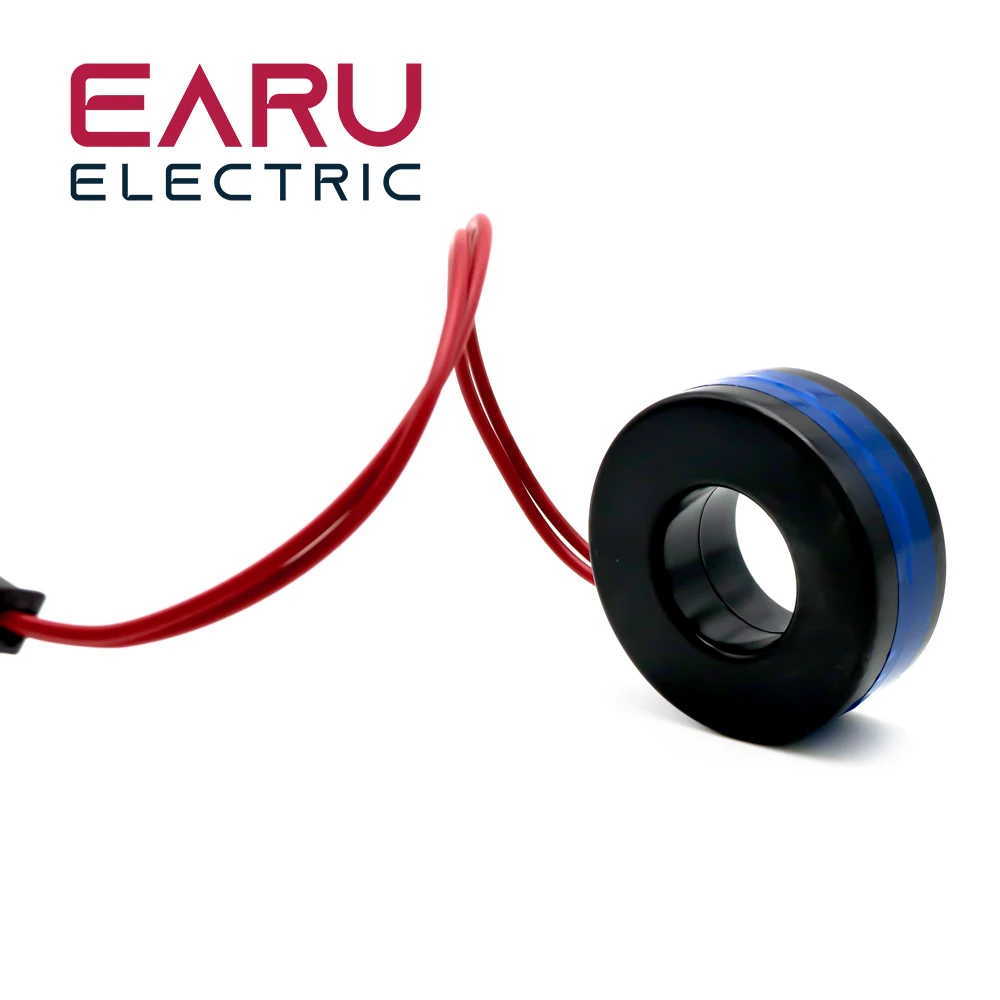
Look, I'm no electrician. I'm more of a "watch a YouTube video and then hope for the best" kind of guy. But from what I've seen, it's generally not *rocket science*. You'll be connecting it to your electrical circuit somehow…usually by putting the wires inside the circuit, so it can measure what there is. Often, there's a little shunt resistor (a small, separate piece) you might have to connect. It's like a little speed bump for the current. But seriously, before you start, read the *manual*. I can't stress this enough. And maybe watch a couple of videos. I once tried to install a light switch without instructions and ended up with a blown fuse (and a slightly charred ego). Trust me, learning by doing is great, but not when it involves sparks and potential electrocution.
Okay, let's say I mess something up and the magic smoke comes out. Am I screwed?
Ah, the age-old question. The magic smoke. That particular smell that tells you "Woops…". If you mess up, it depends. Is the meter toast? Possibly. Is your house on fire? Hopefully not! Did you turn off the power *before* you started fiddling? *Please* tell me you turned off the power. Look, if the meter blows, it's a bummer, but hopefully, your circuit breaker does its job. If things get REALLY bad, evacuate and call the fire department. Seriously. Your safety is paramount. I have had this thing pop on me once. It was because of some stupid mistake on my part. That's how I learned to not touch anything when you *think* it's safe. I've learned to respect electricity. But, the real question remains: did it turn on?
What's the deal with the LED display? Is it any good?
The LED display is, well, it's the part that shows you the numbers. Generally, LEDs are bright and easy to read, even in a dimly lit garage (which is where I spend half my life). I've used some with *really* tiny displays that made me squint like I was reading a map in the dark. This is probably a good thing, but verify that it is easy to read for you. It's probably a lot better than those analog meters with the dials… unless you’re really into that retro aesthetic. And the numbers are big and bold. This is good because you *will* be squinting a lot when you're trying to troubleshoot a circuit.
Can I use this to measure my car battery? Or my laptop charger?
Maybe. Battery voltage *should* be fine because this meter supports such a wide range. But! Here's the kicker. Car batteries and laptop chargers have varying systems. You *really* need to check the voltage and amperage requirements of your specific battery or charger and compare them to the meter specs. *Don't* just assume it will work. I once tried to use a multimeter (a similar device) on a lithium-ion battery without knowing what I was doing, and let's just say it got *very* warm *very* quickly. See above: electricity is not a friend. Also, if the charger has a non-standard plug (i.e. not an exposed bare wire), you'l;ll need to be creative (and also careful) to make the connection and avoid zapping yourself. Did I mention *safety*?
What if the measurements are wrong? Can I calibrate it?
Good question! Some of these cheap meters *might* be a little off, but generally, they're pretty accurate for basic hobbyist stuff. Calibration? Look, if you're doing super-precise, scientific work, maybe this isn't the tool for you. There isn't a big "CALIBRATE ME" button. You'd probably need a known-good reference source to compare against. And it's very possible that's beyond what this meter is made for. I'd be surprised if these things have a