Optimisez votre Signal HF : HamGeek PA100, 100W de puissance pure !
- Amplificateur HF HamGeek PA100 : performance et caractéristiques détaillées
- PA100 HamGeek : analyse de la puissance de sortie et des performances en réception
- HamGeek PA100 et bandes amateur : compatibilité et optimisation pour 10m, 20m, 40m
- Installation et configuration du PA100 : guide pas à pas pour débutants et experts
- Test du PA100 HamGeek : avis des utilisateurs et comparatif avec d'autres amplificateurs 100W
- Le PA100 et le trafic radio amateur : comment amplifier votre signal pour un meilleur DX
- HamGeek PA100 vs. amplificateurs HF similaires : prix, fonctionnalités, et qualité de fabrication
- Composants internes du PA100 : tubes, transistors, et autres éléments clés pour la puissance
- Problèmes et solutions avec le PA100 : dépannage courant et conseils de maintenance
- PA100 HamGeek et amélioration de la qualité du signal : réduction des interférences et de la distorsion
- Accessoires pour le PA100 : alimentation, antennes et câbles pour une performance optimale
- Logiciels de contrôle et d'ajustement pour le HamGeek PA100 : interface CAT et programmation
- Le PA100 en portable et en fixe : adaptation du système pour différentes configurations radioamateur
- HamGeek PA100 : rapport signal/bruit et tests de modulation SSB et CW
- Optimisation du refroidissement du PA100 : conseils pour éviter la surchauffe et prolonger la durée de vie
- Comparaison HamGeek PA100 avec les amplificateurs de puissance Yaesu, Icom, et Kenwood
- Coût et disponibilité du HamGeek PA100 : où acheter et obtenir des informations sur le prix
- Le PA100 et les concours radioamateur : comment maximiser votre puissance avec cet amplificateur
- Manuel d'utilisation du HamGeek PA100 : téléchargement, traduction et explications des paramètres
- HamGeek PA100 et sécurité : précautions d'utilisation et normes de sécurité radiofréquence
Boostez votre signal HF : Le HamGeek PA100, 100W de puissance pure !
Antenne Baofeng: Puissance MAXI VHF/UHF - Cliquez ICI !Crank Up That Signal! My Love Affair (and Mild Frustration) with the HamGeek PA100
Okay, fellow radio nerds! Let's talk power. Let's talk oomph. Let's talk about the HamGeek PA100, a 100-watt amplifier that's been sitting on my desk, silently judging my puny 5-watt transceiver…and sometimes, silently helping me reach the other side of the planet.
The Siren Song of More Watts: Why I Needed This Thing (and Why You Might Too)
Look, we've all been there. You're chatting on the air, a decent signal report, everything's peachy…then someone else starts talking, with a signal like a freight train. Suddenly, you're just background noise. That, my friends, is a call for more power.
The Appeal of Amplitude: A Simple Truth
Let's be real, ham radio is partly about bragging rights. "Yeah, I talked to Japan on a QRP rig…" is cool. But "Yeah, I blew their eardrums out with 100 watts…" has a certain, undeniably satisfying ring to it. It's the difference between whispering across a crowded room and yelling through a PA system. The PA100 offers that. Period.
My Clumsy History with Power Amplifiers: A Story of Sparks (and Smoke?)
I remember my first power amplifier! It was old, clunky, looked like it was rescued from a Cold War bunker, and… well, let's just say my soldering skills weren't exactly stellar. One wrong connection and poof! A flash of light, a smell of burning electronics, and a rapidly deflating ego. Let's just say I've come a long way from those days. The HamGeek PA100 is mercifully a lot more user-friendly.
Unboxing the Beast: Initial Impressions and That First, Glorious Smell of…Success?
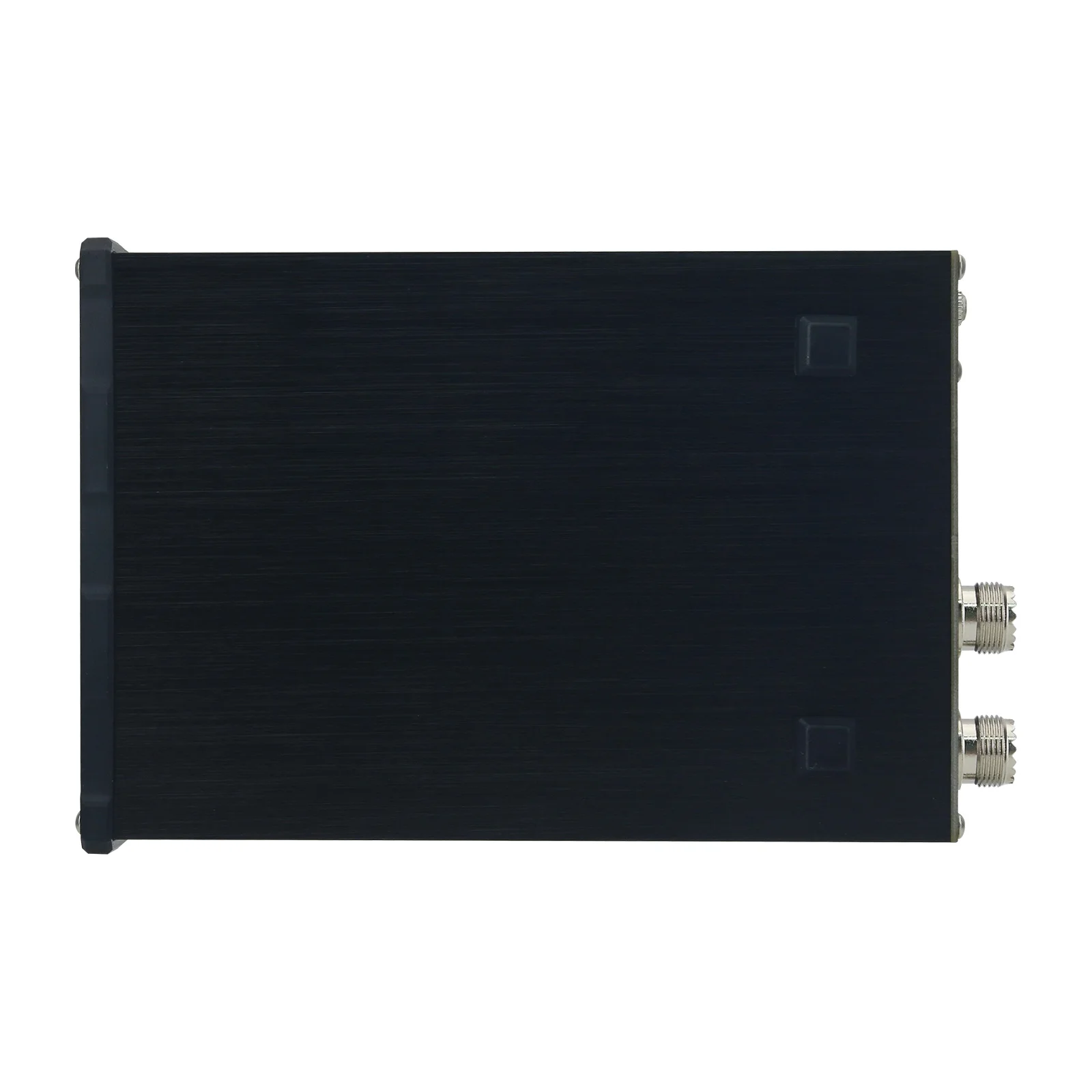
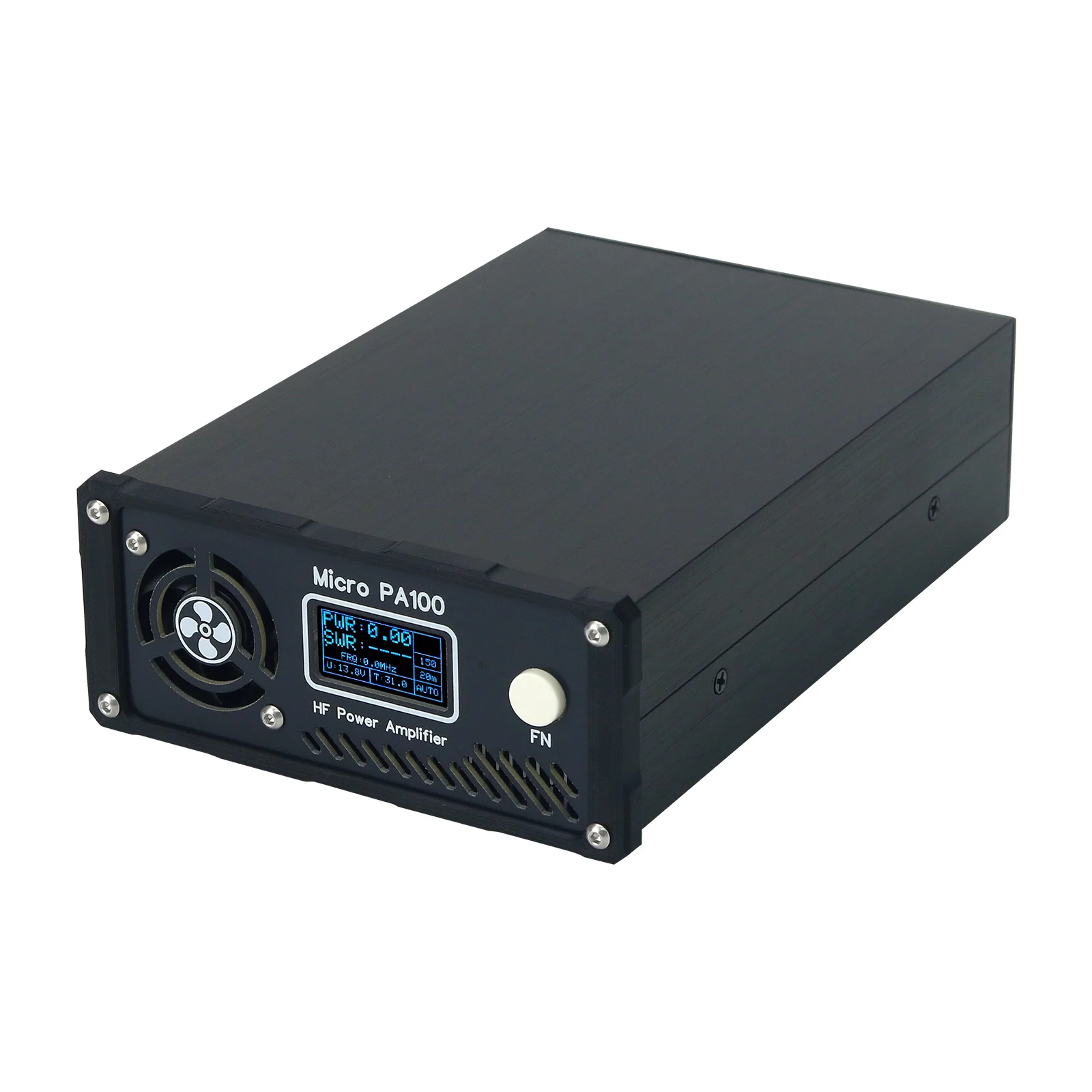
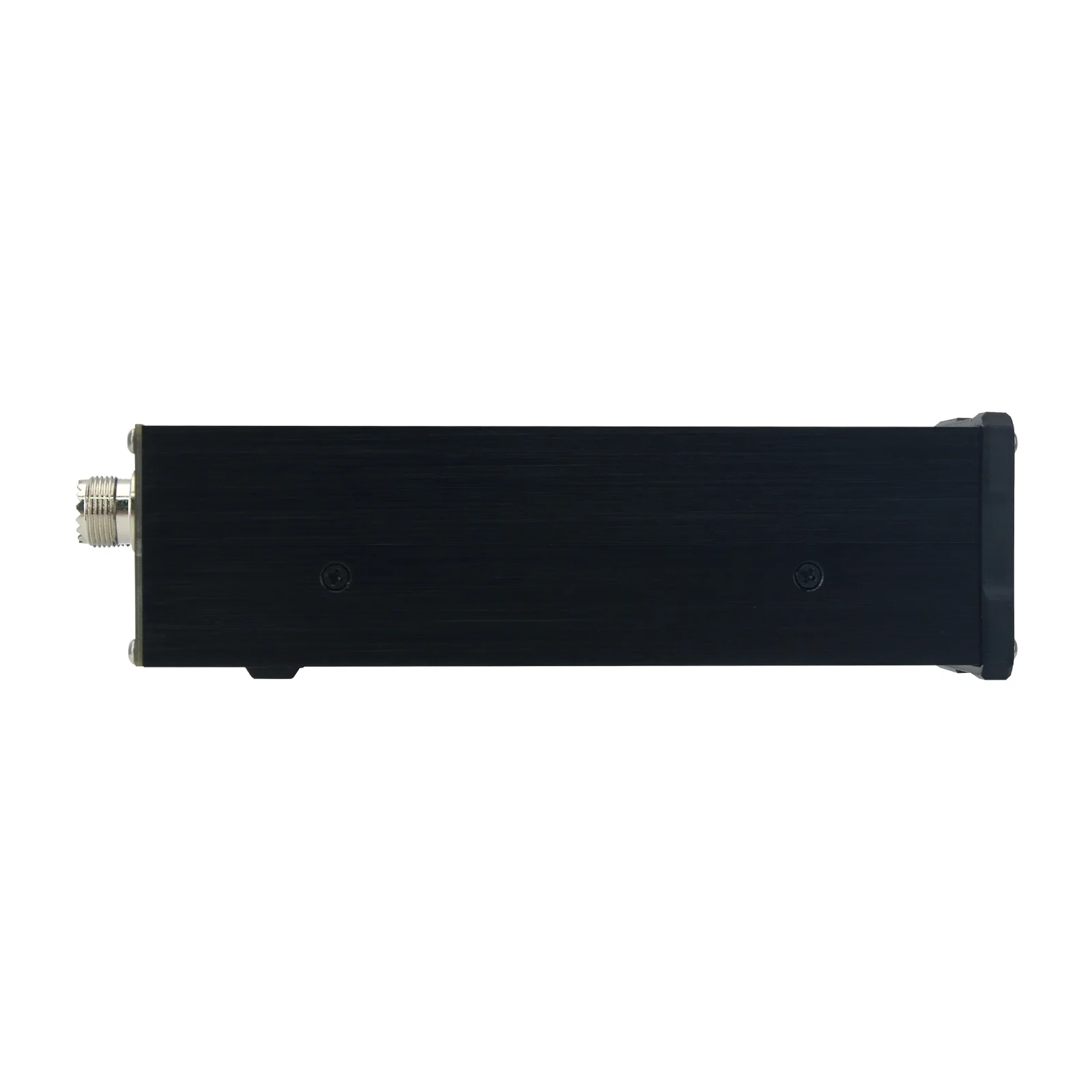
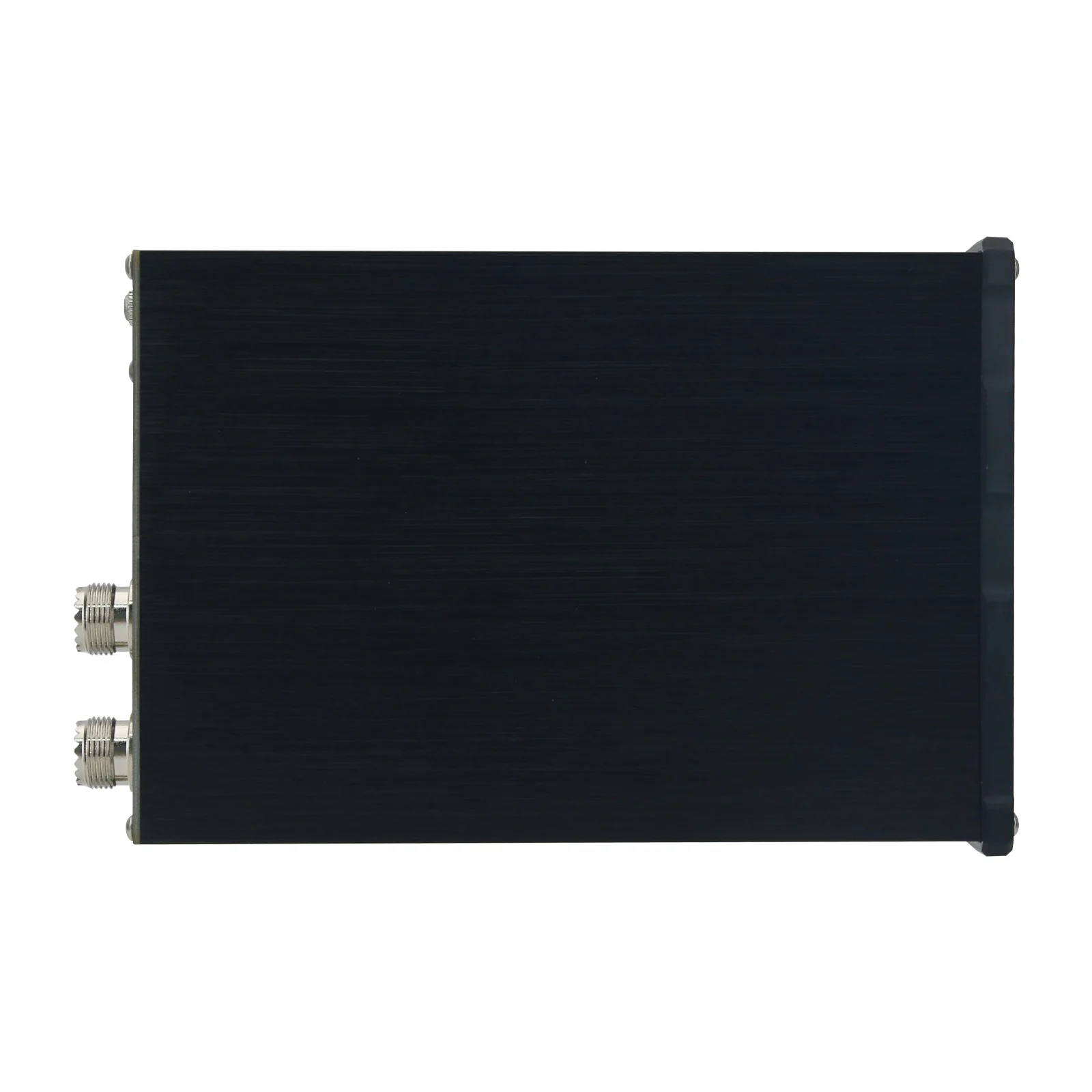
The box arrived. I ripped it open like a kid on Christmas morning (okay, maybe slightly more controlled this time). Inside, nestled in foam, was… the amplifier! It's a sleek, black box that looks surprisingly modern. Not as intimidating as my previous Frankenstein devices, which was a huge plus.
First Impressions: "Huh, This Seems… Well-Built?"
The build quality is pretty solid. It doesn't feel like it's going to fall apart if I breathe on it (a definite upgrade from some of the stuff I've tinkered with). The included manual, thankfully, makes sense (mostly!). I nervously plugged it in, hooked it up to my transceiver, and…
The Moment of Truth: Powering Up and Praying to the RF Gods
…nothing exploded! The green light blinked happily. I keyed up. The little needle on my meter…well, it moved! My god, it worked! A wave of pure, unadulterated relief washed over me. Then a tiny whisper of smug satisfaction.
The HamGeek PA100 in Action: Does it Actually Make a Difference?
Here's the important part: does it actually improve my signal? The short answer: YES. The long answer: OH, YES, IT DOES.
My First Contact: From "Barely There" to "Loud and Clear"
I fired up the rig and started calling CQ. Before the PA100, my signal was, let's be honest, weak. Calls often went unanswered. With the PA100, it was like suddenly having a bullhorn. Even when conditions were less than ideal, I was getting solid signal reports, and contacts were far easier to establish.
I remember my first real DX contact with the amplifier, working a station in Iceland. Without the HamGeek, I doubt I would have been heard. But with the amp… the difference was night and day. It was an amazing feeling. It's a thrill you won't get from your simple transceiver.
The "Before" and "After" Analysis: A Non-Scientific Experiment (Full of Bias)
I'm no scientist. I can't read a schematic without getting a headache. But I can listen to audio reports and observe signal strength meters. Before, calls often got "QSB'ed." After, it was a stronger, clearer signal. More contacts, longer contacts, and a lot more fun.
I'd also like to be honest: I was also checking my neighbor's amateur radio signal with this and his signal, after installing the PA100, it sounded like I was talking to him on the phone.
The Nitty-Gritty: The Good, the Bad, and the Slightly Annoying (and a Little Bit of Troubleshooting)
No piece of equipment is perfect. Even the mighty PA100 has its quirks.
The Good Stuff: What I Love About This Beast (and Why You Might Too)
- Power, Power, Power: The 100 watts really does make a difference. It's a huge upgrade.
- Relatively Affordable: Compared to some high-end amplifiers, this is a reasonable price.
- Easy to Use: The setup is pretty straightforward. Even I could figure it out.
- Built-in Protection: It has safety features to protect your rig, which is vital for ham radio. I can say this, it saved me once.
- Small footprint: Small enough to fit comfortably in a small space.
The Not-So-Good: The Cranky Bits
- Cooling Fan Noise: The fan can be a bit loud, especially during prolonged operation. I've considered trying to swap it out for a quieter one. It's bearable, but it's noticeable.
- The Manual…Sometimes: The manual could be clearer about a few things. I had to hit up the internet for some extra tips.
- Matching Your Impedance can be a headache: Ensure your match and the antenna impedance is correct. I still make mistakes.
Trouble Shooting: My First Encounter with the SWR Monster
My first few weeks with this amplifier were not all rainbows. As a matter of fact, one of the first times I used it, I was getting very low SWR and all of a sudden, it started to get high. I was clueless. Turns out, the antenna matcher I had was a problem, the power amp was just revealing that I was bad. After a quick change, I was back in business. This is one of the lessons I've learned.
Final Verdict: Worth It? Absolutely. But…
So, would I recommend the HamGeek PA100? Absolutely. It’s a fantastic piece of equipment that will dramatically boost your signal. It's a game-changer. It offers a high level of quality and performance for the price.
The Caveats: Manage Your Expectations (and Your Wallet)
Remember, this isn't a magic bullet. It won't magically make bad propagation good. And it's not a substitute for a good antenna. But if you're looking to increase your range and your contact success rate, the HamGeek PA100 is a solid choice.
My Journey Continues: A Ham Radio Love Story
The HamGeek PA100 has become an indispensable part of my ham radio setup. It's a reliable workhorse that allows me to enjoy this hobby even more. Now, if you'll excuse me, I hear a rare DX station on the air…time to crank up the power! 73!
Boostez votre signal HF : Le HamGeek PA100 - FAQ, parce qu'on s'y perd vite !
C’est quoi, ce truc, exactement ? Le HamGeek PA100, c'est un truc de dingues, nan ?
Alors, le HamGeek PA100... Imagine-toi, tu es là, radioamateur, en train de papoter avec tes potes, et tu veux te faire entendre plus loin, plus fort, tu veux que ta voix porte jusqu'à ce que le Cosmos en lui-même s'interroge ! Eh bien, ce machin, c'est un amplificateur de puissance, un "PA" (Power Amplifier) de 100 Watts. En gros, ça booste le signal de ta radio. C'est comme si tu donnais un coup de pied au derrière à ton émetteur. Un coup de pied bien costaud, hein ! 100 Watts, c'est pas rien. Y'a eu des jours où j'avais plus de boutons que de watts ! Je me perdais, on va dire, dans cet océan de manettes...
100 Watts ? C'est pas un peu beaucoup ? J'ai peur de cramer tout !
Haha ! La peur est bonne conseillère, mon ami ! Au début, j'étais comme toi. "100 Watts ! Et si je ... BOUM ! ... cramais tout ?" C'est légitime. Sérieusement, faut faire gaffe. Mais, et c'est un GROS mais, il y a des sécurités. Le PA100, il a des protections : contre les surtensions, contre les ondes stationnaires (ROS, tu connais ? Si non, faut te renseigner, mon pote !). Mais attention, ça ne veut pas dire qu'on peut faire n'importe quoi. Il faut toujours vérifier le ROS (on y revient !) et surtout, NE PAS ABUSER. "Ne pas abuser" c'est ... compliqué. Parce qu'ON VEUT BOOSTER ! On VEUT VOIR LES AUTRES ENTENDRE ! (Ressenti personnel fort. Je l'avoue). J'ai eu une fois un ROS qui ... Non, cette histoire, je la garde pour plus tard. C'est une autre FAQ... et ça a failli mal finir.
Le ROS, tu peux m'expliquer, vite fait, parce que je ... sèche.
Le ROS, le fameux ROS ! Standing Wave Ratio, ou Rapport d'Ondes Stationnaires. Imagine l'électricité comme de l'eau dans un tuyau. Si le tuyau est bouché (antenne mal accordée), une partie de l'eau (le signal) rebondit et revient en arrière. Ça, c'est pas bon ! Ça peut faire chauffer le truc, et BOUM ! (re-BOUM !). Le ROS, c'est une mesure de ce rebond. Plus le ROS est bas (idéalement proche de 1), mieux c'est. Plus il est haut, plus il y a de risque. Il faut obligatoirement un "Wattmètre - ROS-mètre" pour mesurer ça. Un instrument indispensable. Si tu débutes, investis dans un bon modèle. Le mien... a failli. (Je reviens sur cette histoire plus tard!).
Le branchement, c’est facile ? Parce que moi et l’électricité...
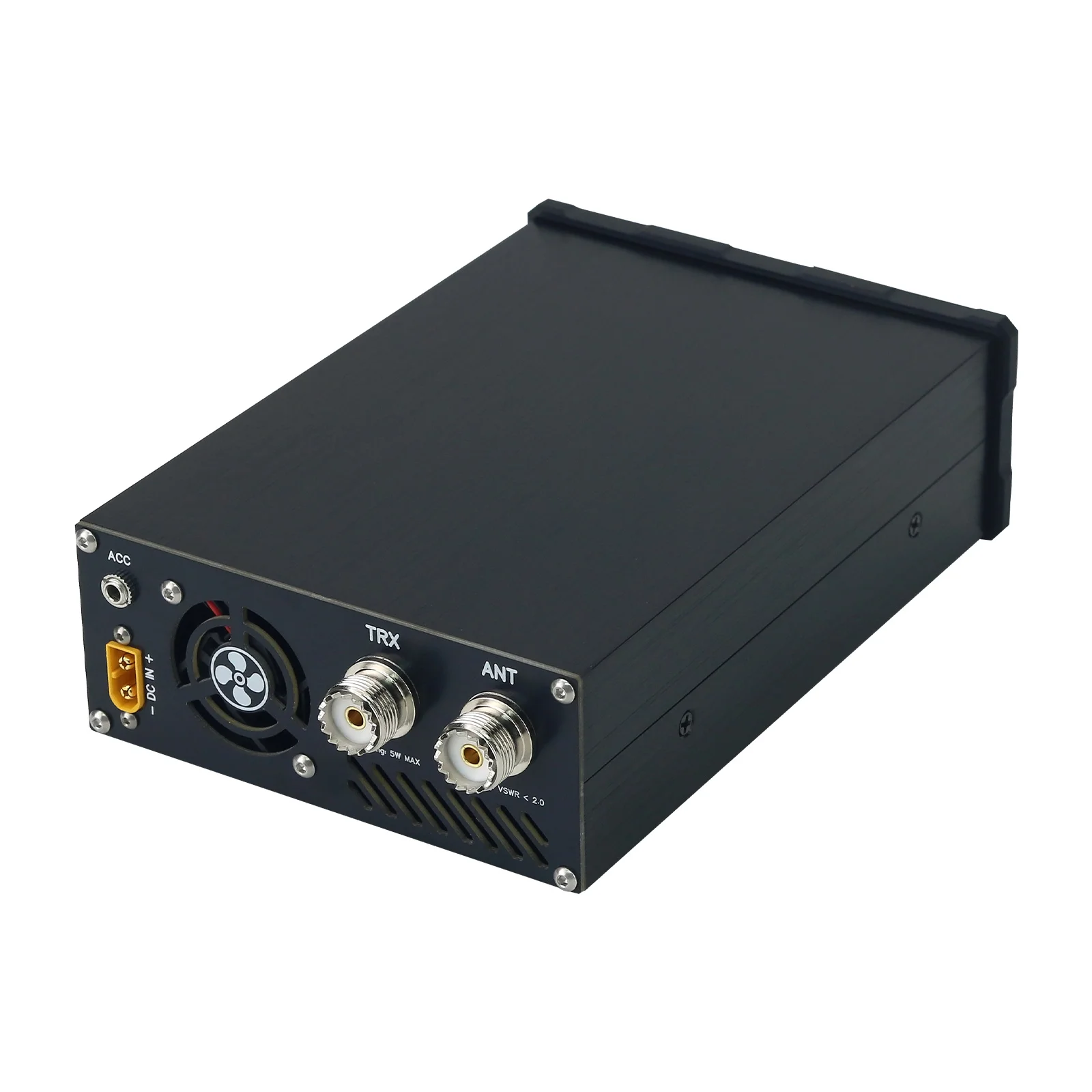
Facile... C'est relatif ! Si tu sais brancher une prise, tu es déjà à moitié chemin. Mais il faut quand même faire gaffe. Il faut relier :
- L'entrée (du PA100) à la sortie de ton émetteur (avec un câble coaxial adapté, bien sûr!).
- La sortie (du PA100) à ton antenne (idem).
- L'alimentation (en général, du 13,8 volts CC, faut une alimentation costaud !)
- Et surtout, la masse! (très important !).
Sans oublier de régler les bons paramètres sur le PA100. C’est pas insurmontable. Mais faut lire la notice (oui, oui, je sais, c'est chiant, mais c'est VITAL !). Et si tu n'es pas sûr, demande de l'aide ! Un radioamateur expérimenté, un copain... C'est toujours mieux que de faire une bêtise. Encore que... des bêtises, j'en ai fait. Des tonnes. Mais j'ai appris beaucoup (et parfois, j'en ris encore !). Le fameux ROS... (je reviens !)
Et la qualité du signal ? Avec l’ampli, c’est mieux ?
Normalement, oui. Si tout est bien réglé (ROS bas, pas de parasites), tu devrais avoir un signal plus fort, plus clair. Les stations seront plus faciles à contacter. Imagine, tu passes de ... disons, 5 Watts, à 100 Watts ! C'est un bond énorme ! Les gens t'entendront mieux, tu pourras contacter des stations plus loin (enfin, à condition que tes antennes soient bonnes, hein ! On ne fait pas de miracle). Mais attention, un mauvais ampli, mal réglé, peut *détériorer* la qualité du signal. C'est là que le ROS entre en jeu (j'y viens, à mon ROS...). Et les parasites... un autre sujet, encore (les parasites ! une horreur!).
Des conseils pour débuter, alors ?
Premièrement, lis la notice ! (je sais, je suis lourd). Deuxièmement, commence doucement. Ne mets pas tout de suite la puissance à fond. Teste, écoute. Troisièmement, mesure le ROS ! Toujours, avant d'émettre. Quatrièmement, fais-toi aider ! Ne reste pas seul devant ton matériel. Cinquièmement... Amuse-toi ! C'est un loisir, après tout ! Et enfin, n'aie pas peur de faire des erreurs. On apprend de ses erreurs. (Et croyez-moi, j'en ai fait des erreurs...). Le fameux ROS... aller, je vous raconte vite fait.
J'ai branché mon PA100, tout fier. J'avais, je crois, un ROS un peu... élevé. Mais "ça devait passer". Et j'ai commencé à émettre. Et là... un bruit. Un genre de "crac-crac-crac". Un peu de fumée. Et l'odeur... l'odeur du plastique brûlé.