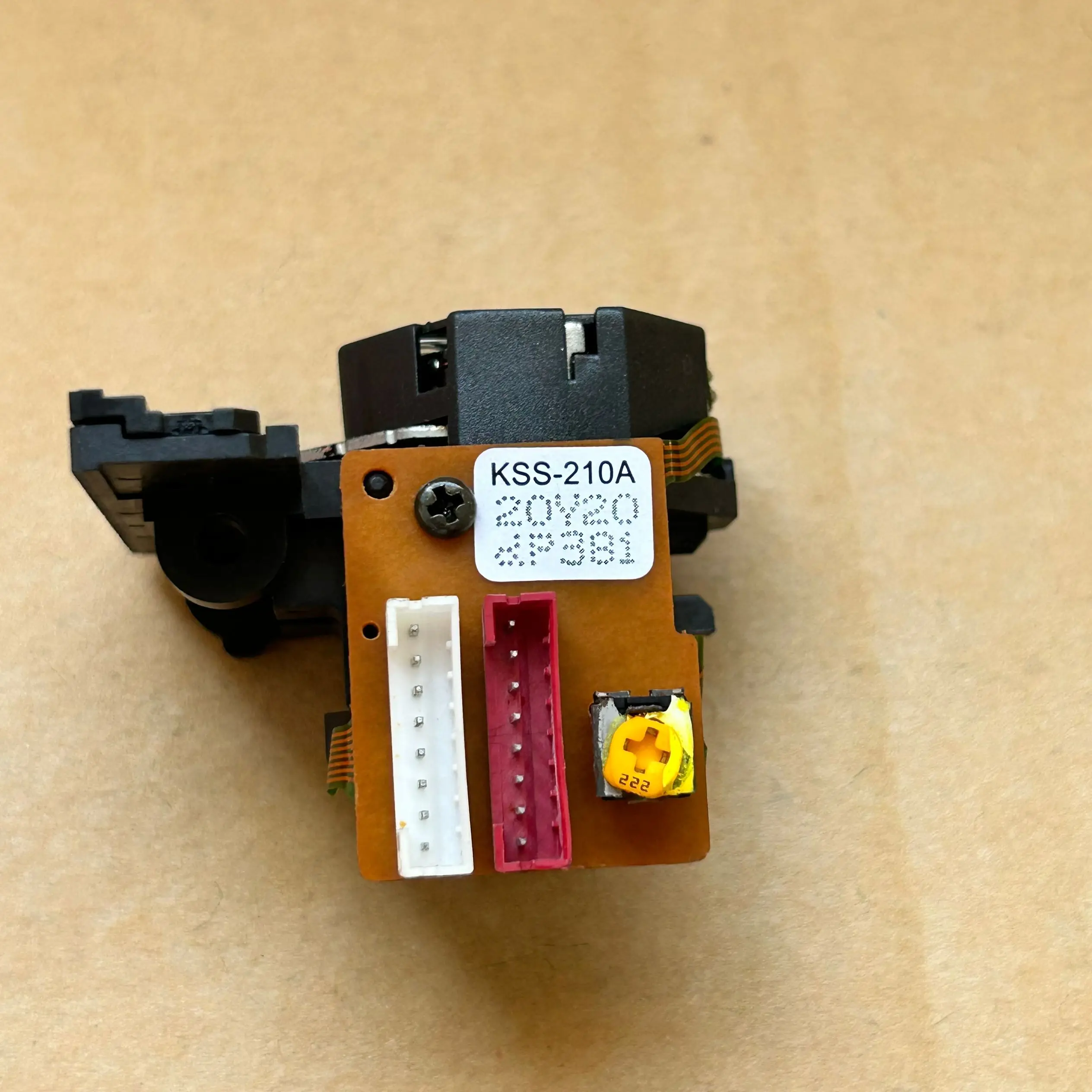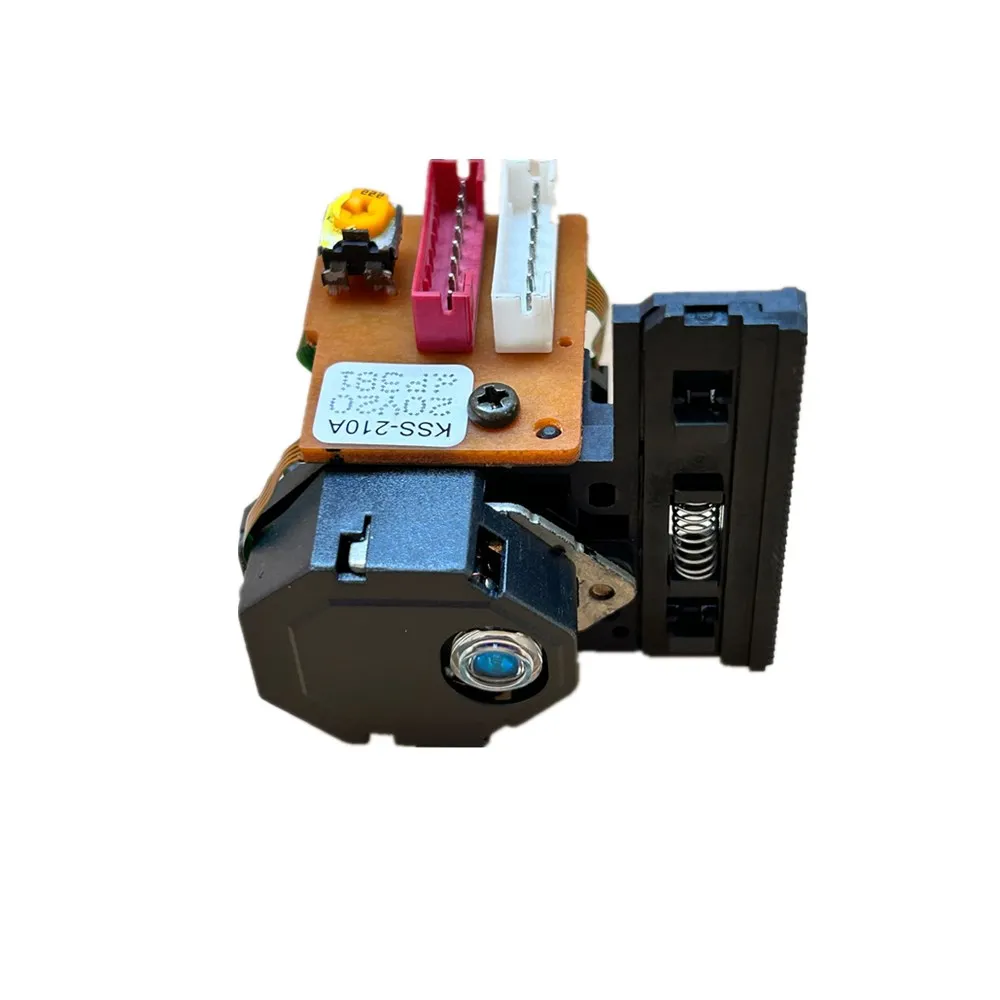
réparation lecteur CD radio, lentille laser KSS-210A, KSS-210B, KSS-212B, KSS-150A, qualité exceptionnelle, remplacement lentille, bloc optique, panne lecteur CD, problème lecture disque, laser défectueux, pièces détachées lecteur CD, diagnostic lecteur CD radio, amélioration qualité son, nettoyage lentille laser, tuner radio HS, pas de son lecteur CD, CD ne se lance pas, pièces de rechange audio hifi, tutoriel réparation lecteur CD, démontage lecteur CD, problèmes mécaniques lecteur CD, remplacement courroie lecteur CD, test lentille laser, calibrage lentille laser, compatibilité lentilles laser, marque lecteur CD compatible, prix lentille laser, commander lentille laser en ligne, lentille laser pour amplificateur, pièces détachées audio, panne radio FM, réception radio faible, remplacement potentiomètre volume, soudure composant électronique, comment réparer lecteur CD, guide réparation lecteur CD, maintenance lecteur CD, entretien lecteur CD, symptômes lecteur CD défectueux, amélioration performance lecteur CD, lentille laser origine, lentille laser alternative, durée de vie lentille laser, pourquoi mon lecteur CD ne fonctionne plus, dépannage radio, réparer radio vintage, composants électroniques, audio haute fidélité, qualité de lecture CD, meilleur lentille laser, avis lentille laser KSS-210A, comparaison lentilles laser, trouver pièce détachée lecteur CD, solutions problèmes lecteur CD, diagnostic panne lecteur CD, lentille laser Philips, lentille laser Sony.
Réparez Votre Lecteur CD/Radio ! Lentilles Laser KSS-210A/B, KSS-212B, KSS-150A – Qualité Exceptionnelle !
Câble DVI Haute Vitesse : Transformez votre écran en 1080p !My CD Player's Soul Survivor Story: Reviving the Soundtrack of My Life!
Alright, music lovers, vintage tech nerds, and anyone whose CD player is currently spitting out the "ERROR" message like it's the latest hit single – gather 'round! I'm here to tell you a story, a harrowing tale of scratched discs, dust bunnies, and the desperate, sweaty pursuit of… sound. And at the center of it all? The humble, yet mighty, laser lens: specifically, the KSS-210A/B, KSS-212B, and KSS-150A. You know, the little guys that keep our cherished CDs spinning and our eardrums happy.
The Dark Days: When My Music Died (and My Sanity Almost Went With It)
It all started innocently enough. My trusty (and ancient) Yamaha receiver – a beast of a machine that practically vibrated with nostalgia – started acting up. You know the drill: disc would spin, then click, then "ERROR." My heart sank. My music collection, carefully curated over years of questionable fashion choices and even more questionable life decisions, was essentially… silent.
First Signs of Trouble: The Dreaded "Skip" Syndrome
It wasn't sudden, thankfully. It started subtly. A tiny skip here, a hiccup there, usually during a particularly dramatic guitar solo. I tried everything! Cleaning the discs within an inch of their lives (using just the right microfiber cloth, mind you), adjusting the volume… even whispering encouraging words to the machine. Nothing worked. The skips became more frequent, more violent, until eventually… the dreaded "ERROR."
Denial and Desperation: My Journey into CD Player Repair Hell
My first reaction? Denial. "Nah," I told myself cheerfully, "it's just a bad disc!" I popped in another. Same result. Another… same. Okay, maybe some of my CDs had a few scratches. But surely all of them couldn’t be uniformly defective, right? Wrong. I plunged down the rabbit hole of online forums, YouTube repair tutorials (which invariably featured a guy with a suspiciously steady hand and perfect lighting), and the dark, dusty corners of eBay.
Diving into the Laser Lens Labyrinth: A Glimpse of Hope (and a Few Scratched Fingers)
This is where the KSS-210A/B, KSS-212B, and KSS-150A lenses come into play. Let's be honest, these things are tiny. Miniature marvels of optical engineering, designed to read the data etched into those shiny little discs. And, like any good hero, they're prone to failure. Dust, age, and… well, sometimes just plain bad luck… can render them useless.
The Research Phase: Unveiling the Mystery of the Laser Eye
Learning about these lenses was a deep dive. Turns out, there's a whole world of laser diodes and optical pickups that I never knew existed. I had to learn about all the models that fit in the Yamaha receiver. The research was time-consuming.
Sourcing the Savior: Finding a Replacement (and Praying to the Tech Gods)
Finding a reliable replacement was the next challenge. eBay was a minefield. Amazon offered slightly less dicey options. I finally settled on a reputable seller. And then the waiting game began! Every day felt like an eternity, slowly withering away as my soul craved my music.
The Waiting Game: Torture by Anticipation
It's an experience, the agonizing wait to find the part to revive your beloved machine. I would check the tracking details at least twice a day, the mounting anxiety of my music-less existence eating away at me with a fierce resolve.
The Operation: My Amateur Attempt at Electronic Surgery
Alright, here's where things got… messy. Let me just say, I am not an electronics technician. My soldering skills are… well, let's just say they're more "scorch the earth" than "precision."
Prepping the Battlefield: Tools, Threats, and a Whole Lotta Courage
I gathered my tools: screwdrivers, tweezers (the tiny ones!), a magnifying glass (vital!), and a whole lot of hope. I printed out the service manual (that was another adventure, wading through cryptic diagrams), and cleared a workspace. I even put on some disposable gloves, as if this was going to be some professional operation!
The Disassembly (and the Moment I Almost Gave Up)
The first thing I did was remove the old laser lens. It was like a tiny, complicated puzzle, and I proceeded cautiously. More screws than I expected, wires I was terrified of breaking. The dust bunnies! Oh, the dust bunnies! I swear they were multiplying the further I got into my project.
Holy cow, I broke something!
I managed to get the laser lens out without destroying anything (or so I thought). Then the hardest part began: carefully attaching the new one. That was when I realized I had messed up. Panic set in. Deep breaths… gotta stay calm… What the hell was I thinking by taking on this challenge?
The Reassembly: Praying for a Miracle (And Avoiding More Scorch Marks)
The reassembly was even more stressful. Matching wires, hoping I didn't misplace any tiny screws, all while trying not to break anything else. It took hours. I slowly, painstakingly, took each step back on that I had to take to take it all apart.
The Moment of Truth: Did It Work?! (Spoiler Alert: YES!)
After hours of sweat, tears (okay, maybe a few tears), and several close calls, I finally screwed everything back together. I plugged the receiver in, crossed my fingers, and hit the power button. The display lit up. I held my breath.
The First CD: A Symphony of Anticipation
I chose a test CD, one I knew intimately. A classic rock track, a guitar solo, the moment of truth. I slid the CD in, and… the tray closed. The machine whirred. Then, glorious, beautiful… music!
The Sound of Victory: A Resurrected Collection
The sound quality was incredible! All those years of perfect audio were returning! All the effort, the frustration, the near-disaster… it was all worth it. That moment, hearing the music again, was pure, unadulterated joy. I actually shed a tear. Okay, maybe more than one.
Final Thoughts: A Toast to the KSS-210A/B, KSS-212B, and KSS-150A (and My Sanity Surviving!)
So, what’s the takeaway here? If your CD player is on the fritz, don't despair! The KSS-210A/B, KSS-212B, and KSS-150A laser lenses are lifesavers! They’re crucial parts to bring our music back to life. You might just be a few screws, a deep breath, and a little bit of “can-do” attitude away from resurrecting your beloved tunes.
My Parting Words of Wisdom: Don't Be Afraid to Get Your Hands Dirty (But Maybe Wear Gloves)
Even if you think you're not technically inclined, give it a try! There are tons of resources online to help you. Just be patient, take your time, and keep a spare screwdriver or two handy. Oh, and maybe invest in a good magnifying glass. You'll thank me later.
Final Thoughts on Quality: A Reminder to Enjoy Every Note
And even if you're not a techie, you will get a great new experience and enjoy the music again. So go on, give your CD player a little love. Your ears (and your soul) will thank you. Now, if you'll excuse me, I've got a whole music collection to enjoy!

Alors, ces lentilles laser KSS- machin truc... ça vaut vraiment le coup ?
Mec, c'est la question qui tue ! Franchement, ça dépend. D'abord, faut être honnête, t'es là parce que ton lecteur CD/Radio a décidé de faire la gueule. Il saute, il tousse, il lit plus rien... C'est le drame. Alors oui, ces lentilles… potentiellement, c'est la solution. Mais c'est pas non plus un remède miracle. J'ai eu un lecteur qui a complètement rendu l'âme après, malgré le remplacement ! D'ailleurs, je me souviens... J'ai essayé de bricoler ce truc moi-même, au début… une catastrophe. J'avais l'impression d'opérer un cœur ouvert avec des ciseaux à ongles. Grosse panique ! Mais bon, si t'es méticuleux, oui, ça peut ressusciter ton vieux machin. Mais gare aux déceptions !
Quel est le modèle qu'il me faut vraiment ? Y'a tellement de trucs !
Ah, la jungle des modèles ! KSS-210A/B, KSS-212B, KSS-150A... C'est un peu comme choisir une pizza, y'a tellement de choix ! Le mieux, c'est de démonter ton lecteur (ou de trouver la notice, si t'es chanceux !). Tu verras la référence gravée sur la lentille. C'est crucial ! J'ai fait l'erreur une fois, j'ai commandé au pif… boum ! Mauvais modèle, lecteur mort et argent foutu en l'air. Vérifie bien, parce que sinon… c'est l'embrouille assurée. Et prépare-toi, c'est pas toujours facile à trouver ! J'ai dû passer des heures sur des sites obscurs, avec des traductions approximatives.
Le remplacement, c'est facile à faire ? J'ai deux mains gauches...
Écoute, si t'as vraiment deux mains gauches, réfléchis-y à deux fois. Sérieux. Faut être délicat comme un chirurgien. Des fois, il y a des soudures minuscules... J'ai littéralement fondu un composant une fois, à cause de mon fer à souder de boucher ! "Oh, la la, c'est trop petit, je vais le loupé" ! Résultat : poubelle. Si t'es pas à l'aise avec ça, demande de l'aide. Y'a des tutos sur Youtube, mais regarde bien, parce que des fois, ils vont trop vite, et tu passes directement à la cata. Ou alors, prépares-toi à passer une heure, deux heures, voire toute une après-midi à prier pour que tout fonctionne.
Et la qualité "exceptionnelle", c'est pas de la blague ?
"Qualité exceptionnelle"... marketing power ! Soyons réalistes, ça dépend de ton budget. Si tu prends le moins cher, tu risques de galérer. J'ai acheté une lentille soi-disant "exceptionnelle" une fois… elle lisait les CD comme si elle dansait la Macarena. Ça sautait, ça grésillait… c'était horrible ! Mais bon, si tu mets le prix, tu peux espérer une meilleure qualité. Ça va pas transformer ton lecteur en machine de guerre audiophile, mais au moins, tes CDs devraient jouer normalement. C'est quand même ça qu'on veut, non ? Le but du jeu c'est que tes morceaux passent, hein !
Okay, j'ai acheté la lentille... et maintenant ?
Alors là, ALERTE ! Premièrement, débranche ton lecteur ! On ne veut pas que tu te fasses électrocuter. Deuxièmement, il faut nettoyer attentivement les lentilles. Et là, j'ai envie de te crier dessus ! Nettoie bien. Prends pas un chiffon n'importe comment. Un coton tige imbibé d'alcool isopropylique, c'est l'idéal. Essuie délicatement. Pas comme un dingue ! Et surtout, respecte le sens de montage. J'ai inversé une fois, et… bah, ça a pas marché. "Mais, pourquoi ça ne marche pas ? J'ai tout bien fait !". Erreur. Réfléchis, prends ton temps. Et si tu as une photo de l'ancien montage, c'est le top (genre, fais des photos AVANT de tout démonter). Sinon, tu vas galérer. Fais-moi confiance, j'ai appris à mes dépens.
J'ai tout remonté… ça marche pas ! Je craque !
RESPIRATION ! Calme-toi. C'est normal. Ça arrive à tout le monde. J'ai hurlé ma rage sur mon pauvre lecteur, un nombre incalculable de fois. On est humain, ok ? Reprends tout depuis le début. Re-vérifie les branchements, la bonne référence, les soudures… T'as peut-être oublié un truc. C'est souvent le cas. J'ai passé trois heures à essayer de comprendre pourquoi ça ne fonctionnait pas, puis j'ai découvert que j'avais oublié de brancher un petit fil. J'ai eu envie de me taper la tête contre le mur. Si vraiment ça ne marche pas, demande de l'aide. Ou, si ça te saoule, et que tu as une rage terrible, laisse tomber. Faut savoir dire stop ! Mais… avant, re-vérifie bien TOUT !
Et si ça marche ? Je suis heureux !
YOUPI !!! Si ton lecteur chante à nouveau... la musique ! C'est la meilleure sensation ! C'est le moment de sortir les vieux CD poussiéreux, de te faire une petite soirée, de revivre tes plus beaux souvenirs musicaux... C'est la délivrance ! Tu vas te sentir comme un héros ! Tu as réparé ton lecteur ! Et tu vas comprendre que, au final, la satisfaction d'avoir réussi, c'est ça qui compte ! Alors, profite bien. Et bravo ! Tu l'as fait ! (Et n'oublie pas, si jamais ça re-saute, reviens à ces FAQ, on est là pour toi !). Moi, je vais écouter du rock !