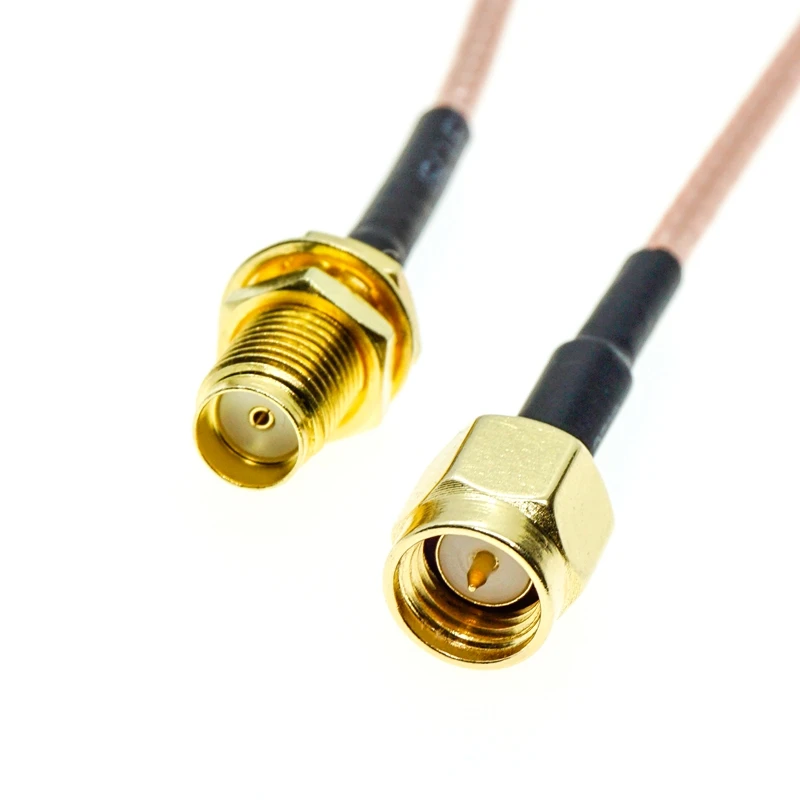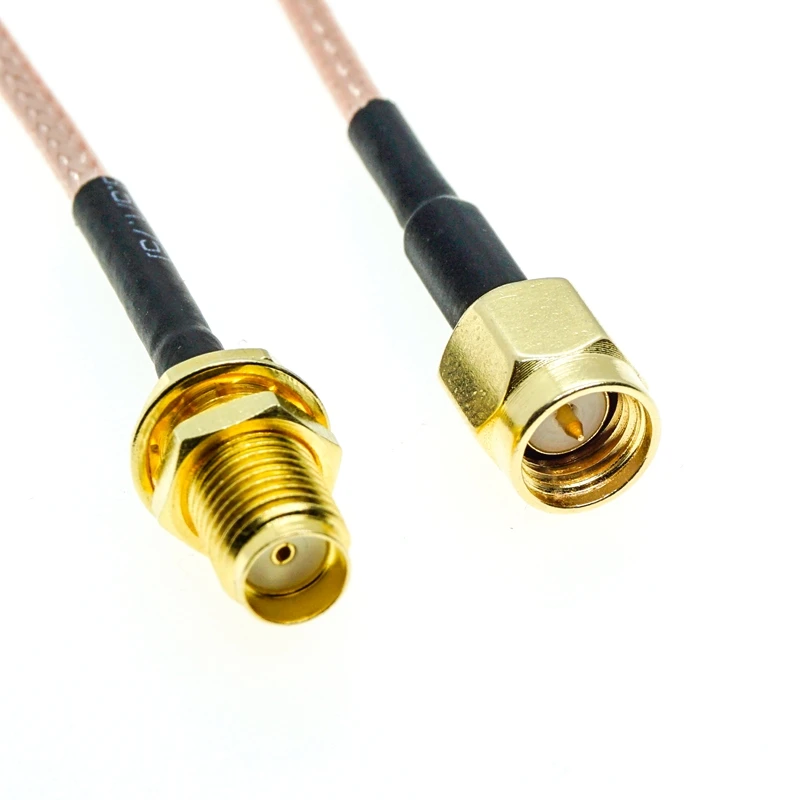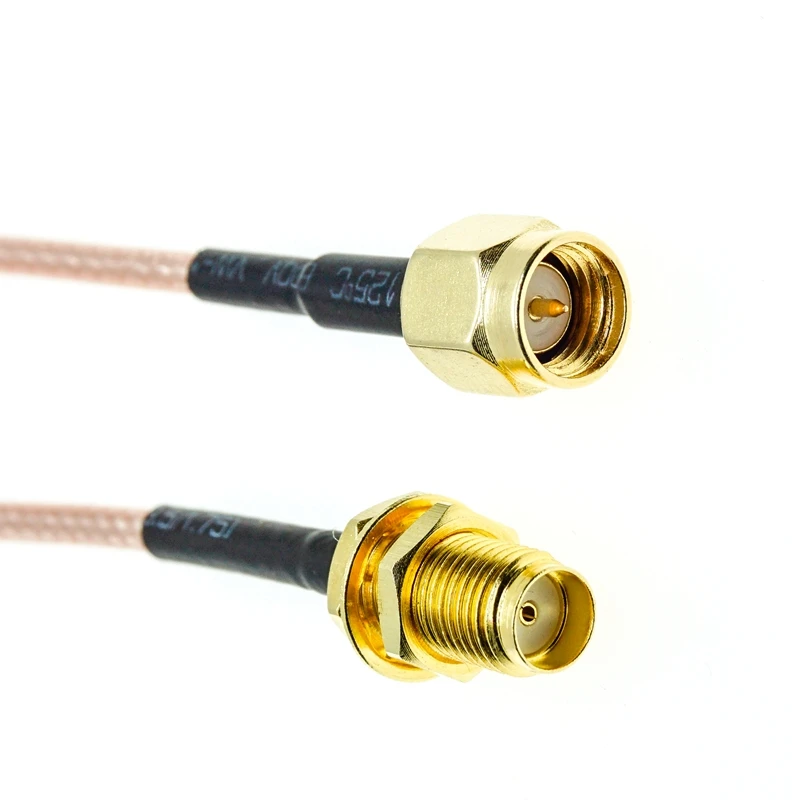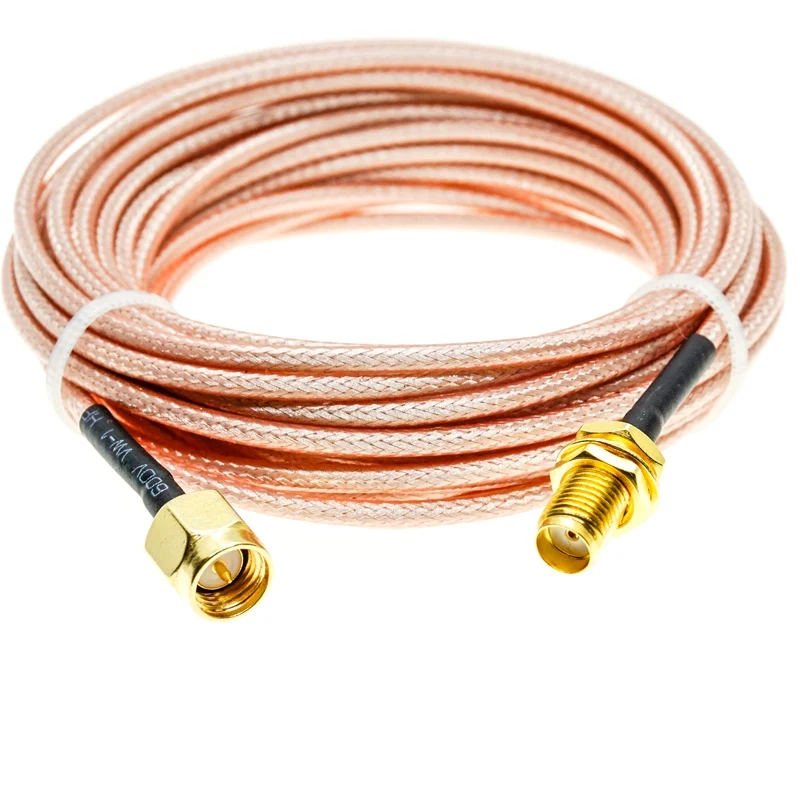
Voici quelques mots-clés de longue traîne et termes LSI liés à "Ce câble RF SMA vous épatera ! (RG316, Bulkhead)":
- Câble coaxial RF SMA RG316 impressionnant (terme principal + adjectif valorisant)
- connecteurs SMA, impédance 50 ohms, qualité professionnelle, applications radiofréquences, perte d'insertion faible, câble souple, durabilité, blindage efficace
- Câble SMA RG316 Bulkhead : installation facile et performance garantie (focus sur la fonction et l'avantage)
- montage panneau, traversée de cloison, étanchéité, vibration, milieu hostile, transmissions de données, antennes, équipements de test
- Comment choisir le meilleur câble RF SMA pour votre projet : RG316 Bulkhead inclus (question et ciblage spécifique)
- comparaison des câbles RF, caractéristiques techniques, atténuation, fréquence de fonctionnement, applications industrielles, militaire, mesures électroniques
- RG316 SMA Bulkhead : les avantages d'un câble RF robuste et performant (focus sur les bénéfices)
- connectivité fiable, adaptation d'impédance, signaux de haute fréquence, résistance aux intempéries, protection contre les interférences électromagnétiques (CEM), assemblage personnalisé
- Acheter un câble RF SMA RG316 Bulkhead de qualité supérieure : guide et conseils (intention d'achat et information)
- fournisseurs de câbles RF, prix du câble RG316, spécifications techniques, certification RoHS, garantie, service client, livraison rapide
- Câble SMA Bulkhead RG316 : solution idéale pour les applications exigeantes (spécificité et ciblage)
- instrumentation, télécommunications, radar, systèmes de communication sans fil, faible perte d'insertion, performance en hautes fréquences, caractéristiques mécaniques
- Tests et mesures : pourquoi opter pour un câble RF SMA RG316 Bulkhead ? (application spécifique)
- appareils de mesure, oscilloscopes, analyseurs de spectre, connectivité performante, précision des mesures, calibration des équipements
- Comparaison : Câble RG316 SMA Bulkhead vs autres câbles RF (comparaison et différenciation)
- câbles RG174, câbles semi-rigides, atténuation, perte de signal, applications spécifiques, connecteurs N, connecteurs TNC
- RG316 SMA Bulkhead : Installation facile et guide de câblage (information et guidance)
- instructions de montage, outils nécessaires, soudure, étanchéité, bonnes pratiques, connectivité sécurisée, durée de vie du câble
- Applications du câble RF SMA RG316 Bulkhead dans le domaine de l'électronique (application et utilisation spécifique)
- cartographie, navigation, transmission de données, antennes, systèmes de communication, recherche et développement, prototypage.
Ce câble RF SMA vous épatera ! (RG316, Bulkhead)
Mini FPV DVR : Vidéo époustouflante garantie ! (Batterie intégrée)This SMA Cable? Buckle Up, Buttercup! (RG316, Bulkhead Woes & Wonders)
Okay, so you see that French title up there? Yeah, that’s basically what I’m saying: “Ce câble RF SMA vous épatera!” – but trust me, my experience with this RG316, bulkhead-toting SMA cable was a little more… complex. Prepare yourself, because this isn't your average tech review. This is my journey with this little piece of electrical wizardry.
H2: The Promise of the SMA: Tiny Connector, Big Potential?
Let's be honest, when you first see an SMA connector, you're usually thinking, "Ooh, tiny! Must be sophisticated!" And in a way, you're right. These guys are all about signal integrity, right? Like, maintaining the purity of the vibrations (okay, maybe I'm getting carried away) that are zipping through your radio equipment. I needed one for a project – connecting, let's just say, stuff to something else. No need to bore you with specifics. Suffice it to say, it involved radios, antennas, and a whole lot of hoping I didn’t accidentally fry anything.
H3: Unboxing and Initial (Slightly Unrealistic) Expectations
The cable arrived. Shiny. New. Wrapped in a little plastic baggie that I’m pretty sure said "Made in China" in the tiniest, most indecipherable font known to mankind. My first thought? "Ooh, look at those colors!" (Okay, it was black, but still.) The SMA connector looked… well, like an SMA connector. Solid, like a tiny, metal fortress. I was giddy. I was ready.
I was so not ready.
H3: The RG316 Cable: Spaghetti? Perhaps Not Quite.
Now, the RG316 cable itself. This is where my first tiny little hiccup happened. I'd read about RG316. Supposed to be flexible. Supposed to be, you know, manageable. My cable seemed to be fighting me. It was… springy. Not quite spaghetti, but more like a stubborn, slightly oily shoelace that refused to cooperate.
H2: The Bulkhead: My Arch-Nemesis?
Okay, let's talk about the bulkhead. This is the part that’s designed to pass your signal through something – a panel, a box, whatever. Makes sense, right? Theoretically. See, I'm not the most mechanically gifted person in the world. I have a history of stripping screws, cross-threading bolts, and generally turning simple tasks into monumental struggles. You feel me?
H3: The Mounting Mayhem: Screws, Screws, Everywhere!
The cable, with its built-in bulkhead, should have been straightforward. Drill a hole, stick it through, tighten it up. Right? Wrong. Let me paint you a picture. Me, hunched over my project, with a tiny screwdriver, wrestling with the thread on the bulkhead fitting. Sweating. Cursing (under my breath, of course… most of the time). The screw kept almost catching. Then it wouldn't. Then it would. Then it would strip.
It stripped.
I stared at it. The tiny, mangled head of the screw. My hopes and dreams of a perfectly functioning radio project slowly crumbling. This is where a grown man might shed a single tear. Maybe.
H3: Perseverance (and a Few Choice Words)
But, listen, I'm stubborn. I'm not one to give up easily. So, I kept at it. I tried different screwdrivers. I tried praying. I even tried talking the screw into cooperating. (Spoiler alert: none of it worked). Eventually, after a solid hour, I managed to somehow get the thing tightened. The gods of small hardware were clearly on my side that day. Or maybe I just got lucky. Either way, victory!
H2: The Moment of Truth: Does It… Work? (The Tension is Real)
Okay, back to the project. I finally had the cable connected. Everything was plugged in. I flipped the switch. My heart was pounding. It was like the first time I rode a rollercoaster, except with way fewer safety regulations, and way more potential for electrical disaster.
H3: The Sweet, Sweet Sound of… Radio?
And… it worked! The connection was clean. The signal was strong. The radio equipment was not fried. Relief washed over me. It was an amazing feeling. I’d battled the bulkhead, wrestled with the cable, and emerged victorious.
H3: The Imperfect Victory: Minor Details and Long-Term Performance
But, and there is always a "but," the cable wasn't perfect. The RG316, as I mentioned, was still kinda springy. The bulkhead, while functional, wasn't exactly a work of art. And I had, let's just say, over-tightened the connection, resulting in a slightly… wonky position. I will need to buy a new one in the future.
But hey, it works. And that, my friends, is what matters. The little imperfections are part of the charm.
H2: Final Thoughts: Would I Recommend It? (You Bet!)
So, “Ce câble RF SMA vous épatera?” – Yes! In a rough-around-the-edges, frustrating-but-ultimately-rewarding kind of way. Would I recommend this RG316 SMA bulkhead cable? Absolutely.
H3: The Bottom Line: A Solid Performer, with a Few Quirks
Despite the minor struggles, the cable gets the job done. It's a reliable connection, and the price is right. Just be prepared for a little bit of a battle, especially if you're a mechanically challenged individual like myself.
H3: Go Forth and Connect!
So, go forth! Get your SMA on! Embrace the imperfections, and enjoy the satisfaction of a job (eventually) well done. And if you strip a screw? Don’t worry. You’re not alone.
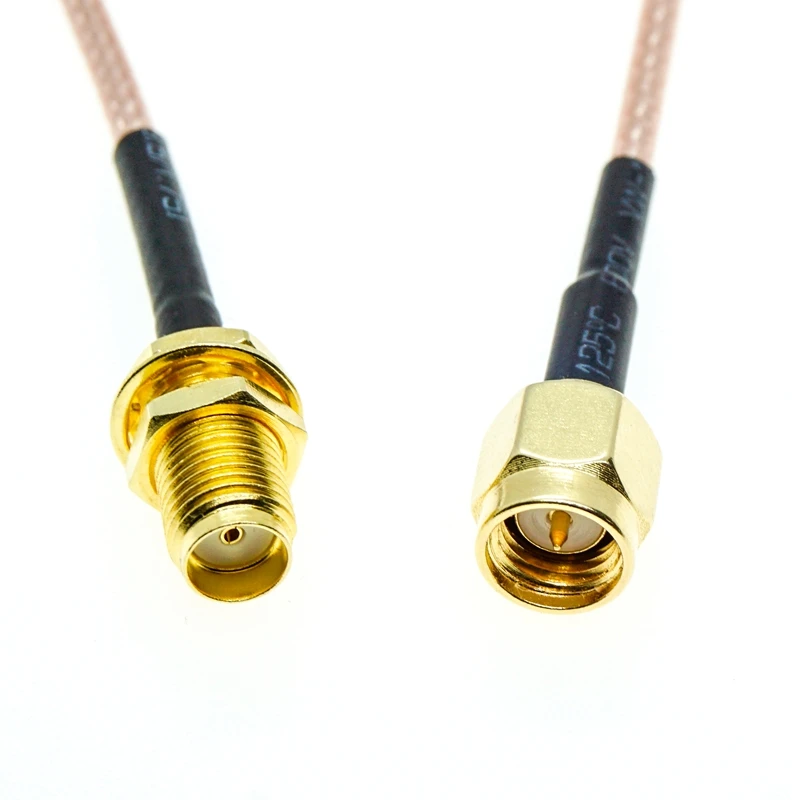
Alors, qu'est-ce que c'est que ce câble RF SMA exactement, hein ?
Alright, alright, settle down, the *question*! It's a coaxial cable, RG316. Think of it like a tiny, super-powered antenna wire. You’ve got the center conductor (usually copper), then some insulation, a braided shield to block interference (important!), and then the outer jacket. The SMA (SubMiniature version A) connectors at the ends are the part that screws into things. One of them, in this case, is a bulkhead – meaning it's designed to screw *through* a panel, allowing you to connect stuff on the outside *and* inside. Sounds simple, right? HAHAHAHAHAHAHA… (I'm not laughing yet, the scars are still fresh.)
Pourquoi devrais-je me soucier de ce truc RG316 ? C'est pas juste un fil ?
"Just a wire"? Oh, you sweet summer child. *It's* a *radio frequency* wire! It's carrying little signals, radio waves, and those signals are fragile, easily messed with. Think about it like this: if you're trying to whisper a secret from one room to another, you want a good, solid pipe to whisper through, not a leaky old straw. The RG316 – when it's good – *is* a decent pipe. It's flexible, relatively low-loss (meaning it doesn’t weaken the signal too much), and good for those higher frequencies. Now, the *why* you should care... depends on *what* the heck you're doing. Maybe you're building a ham radio setup! Maybe you're connecting an antenna to your fancy new SDR (Software Defined Radio). Or, like me, maybe you're just trying to rig up something with a little extra oomph. Be warned: the devil is in the details. I once spent *days* tracking down a problem with a signal, only to discover it was a crappy RG316 cable. Never underestimate the power of a bad cable to ruin your day.
Ce SMA bulkhead, c'est quoi le délire avec ça ? Ça change quoi ?
The bulkhead is the *hero* of this whole setup! It's brilliant! It let's the connector be mounted directly through something like a metal enclosure or a plastic panel. Imagine you're building a little box for your electronics or even a Raspberry Pi project. You can put that SMA connector right on the outside, so you can just *plug in* your antenna without having to fiddle with the inside of the box. Super convenient! But… it also means you have to consider the mounting. Is the hole you're drilling the right size? Will it seal against the elements? (Rain and electronics? NOT a good combination!) I remember this one time… I was trying to mount a bulkhead SMA through this plastic project box. The hole I *thought* I'd measured correctly was too big. Then, the SMA connector wouldn't tighten down properly, so I had this pathetic little wiggle. The antenna felt loose, and… oh, the signal! The signal was absolutely *atrocious*! I ended up using some glue... don't judge me! It worked! (for a while)
RG316 vs. d'autres câbles RF, genre, lequel est le meilleur ?
Okay, this is a rabbit hole. There's RG58, RG59, LMR-100, LMR-200, and on and on! It depends on your application. RG316 is a pretty good all-rounder and it is usually flexible. What is important to know is that this makes it good for use on smaller spaces, while other cables is sometimes a little less flexible. Other cables, for instance, might have lower loss at certain frequencies, or handle more power. For most *hobbyist* stuff, the RG316 is just fine. But if you're serious about low signal loss, or you need to handle a lot of power, do your research. I've made the mistake of using the *wrong* cable. I once tried to use RG58 (thick and tough) in my *tiny* home lab. It wasn't a complete disaster, but it wasn't easy to manage and look pretty! The RG316 is often a very good option! The best is to adapt the cable to the project!
Et ce signal, il se perd comment ?
Ah, the dreaded signal loss. It can happen in a bunch of ways. Impedance mismatches (where the cable, the connector, and the devices don’t all "speak the same electrical language") are big culprits. Poor connections, too. If your SMA connector isn’t properly connected, it can act like a half-open door. And that braided shield? If it's damaged or not making good contact with the connector, you can get interference – noise! Just a little kink or a bend can change the electrical characteristics of the cable. I had this *nightmare* once… I had this radio setup. Everything *seemed* perfect, but the signal strength was terrible. I went through *everything*. Checked the antenna , the radio, the power supply. Months! I finally realized that the RG316 cable, which I had carefully coiled (to look tidy, of course!), had a subtle bend at one point. Uncoiled it, and BAM! Magic! It was like the radio had been given a shot of adrenaline. The moral of the story? Treat your cables with respect!
Comment je dois connecter ce truc SMA ? C'est facile, non ?
"Easy"? Heh. It *should* be easy. The SMA connectors usually have a threaded coupling. You just screw them on. But here's the catch: 1) make sure you have the *right gender* (male or female) on the connector. 2) Don't overtighten them. You want a snug fit, but you can easily damage the connector if you wrench on it too hard. Also, the quality of the connector matters. Cheap ones can be a disaster. If you're connecting to very sensitive equipment, get a good quality connector, and be meticulous about the connection. I've had to replace an SMA on a very expensive piece of equipment because I was over-zealous with the tightening, and I still cringe. It's an art, this… connecting SMA connectors. Some of it is patience, and some of it is luck.
L'RG316 Bulkhead SMA est-il étanche ?
NO, *not automatically*! Some bulkhead SMA connectors are designed with seals (rubber O-rings or gaskets) to make them weather-resistant. However, you can't assume that *any* bulkhead SMA is automatically waterproof. If you're going to use it outdoors, check the product specifications *very* carefully. If