Le Graal des Guitaristes : Mécaniques Schaller M6 pour une Tonalité Parfaite !
- Mécaniques Schaller M6 guitare : précision, stabilité, accordage
- Schaller M6 avis : performance, fiabilité, qualité de fabrication
- Installer mécaniques Schaller M6 : tutoriel, étapes, outils nécessaires
- Schaller M6 pour guitare électrique : Stratocaster, Telecaster, Les Paul
- Schaller M6 et sustain : influence, amélioration, vibration des cordes
- Mécaniques guitare haut de gamme : comparaison, Schaller M6 vs autres marques
- Réglage mécaniques Schaller M6 : tension des cordes, blocage, douceur
- Entretien mécaniques guitare : nettoyage, lubrification, longévité Schaller M6
- Schaller M6 et changement de cordes : facilité, rapidité, système de blocage
- Le Graal des guitaristes : pourquoi choisir Schaller M6, tonalité, accord parfait, intonation
- Mécaniques Schaller M6 chromées, dorées, noires : finitions, esthétique, personnalisation
- Améliorer la tonalité de sa guitare : Schaller M6, influence des mécaniques, justesse
- Schaller M6 : compatible avec les différentes guitares, type de tête, perçage
- Remplacer mécaniques guitare : Schaller M6, avantages, inconvénients, conseils
- Acheter mécaniques Schaller M6 : prix, revendeurs, offres, garantie
- Schaller M6 : tonalité parfaite, accordage stable, blocage des cordes
- Latent Semantic Indexing : Mécaniques, Schaller, M6, Tonalité, Accordage, Stabilité, Précision, Guitare, Électrique, Cordes, Sustain, Installation, Réglage, Entretien, Chromées, Dorées, Noires, Blocage
**Le Graal des Guitaristes : Mécaniques Schaller M6 pour une Tonalité Parfaite !**
Montre Connectée + Écouteurs Bluetooth : Le Pack Sport Incontournable !Le Graal des Guitaristes : Schaller M6 – My Love Affair (and Occasional Headaches)
Alright, guitar fanatics! Let’s talk about something near and dear to our hearts (and our fretboards): tuning stability. Because let's be honest, there's nothing quite like the soul-crushing feeling of a perfectly crafted riff dissolving into a sea of buzzing, out-of-tune strings. It's enough to make you want to chuck your axe out the window (metaphorically, of course… unless?). And that, my friends, is where the Schaller M6 tuners strut their stuff.
H2: The Quest for Perfection: Why Tuners Matter (More Than You Think)
Look, we’ve all been there. You pour hours into a song, painstakingly crafting every note, every nuance… and then, ping… that damn G string goes south. Instant buzzkill. Suddenly, your magnum opus sounds like a strangled cat. Tuners? They're not just some fancy knobs; they're the guardians of your sonic sanity. They're the unsung heroes, the quiet enablers of our musical dreams. And Schaller M6s? They’re often touted as the gold standard. But are they really?
H3: My First Schaller Encounter (Spoiler Alert: Fireworks!)
My first experience with Schaller M6s was… well, it was a revelation. I’d just scored a vintage Stratocaster (a beat-up beauty, mind you, with more character than a Dickens novel) and the original tuners were… let’s just say, “questionable.” They slipped more than a politician trying to avoid a scandal. So, I took the plunge. Swapped those clunky old things for a set of shiny, brand-new M6s. The difference? Astounding. It was like going from a rusty Trabant to a Ferrari. Suddenly, my Strat held its tune like a champ. Bends stayed bent. Vibrato stayed vibed. It was a glorious, tuning-stable paradise.
H3: The Alluring Specs: What Makes an M6 Tick? (And Why We Care)
Okay, so what’s the secret sauce? Schaller M6s boast a solid reputation for a reason. Let's get into the nerdy details that actually matter to a guitarist (or at least, to this guitarist!).
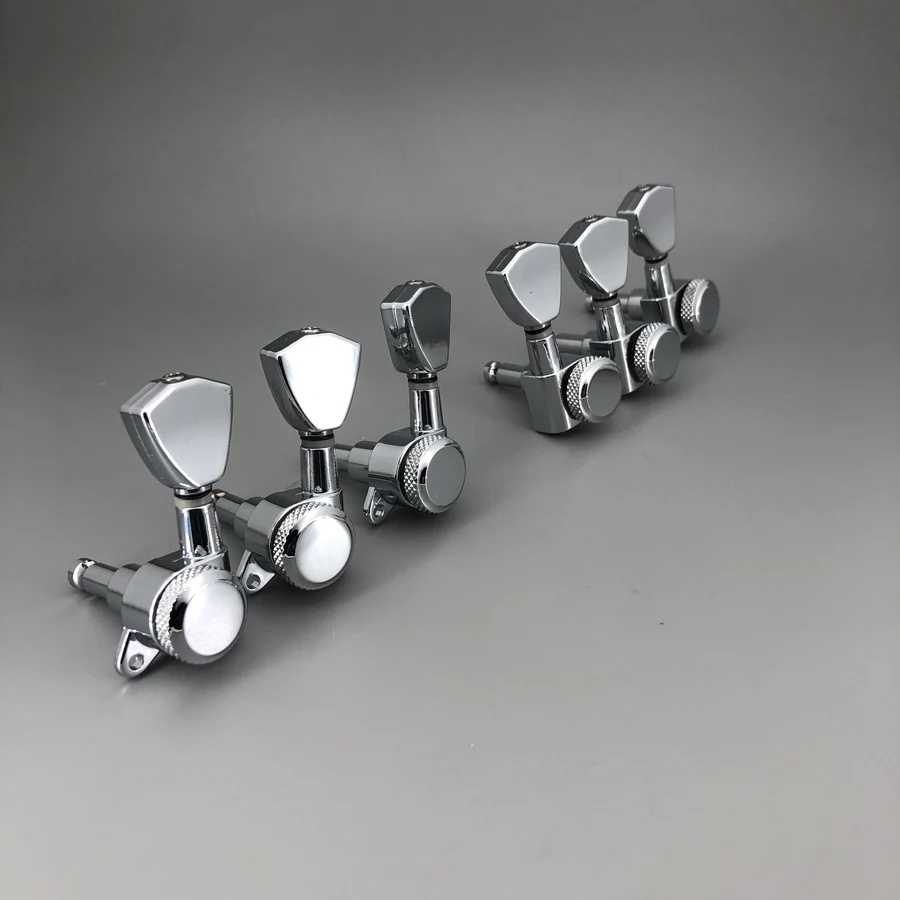
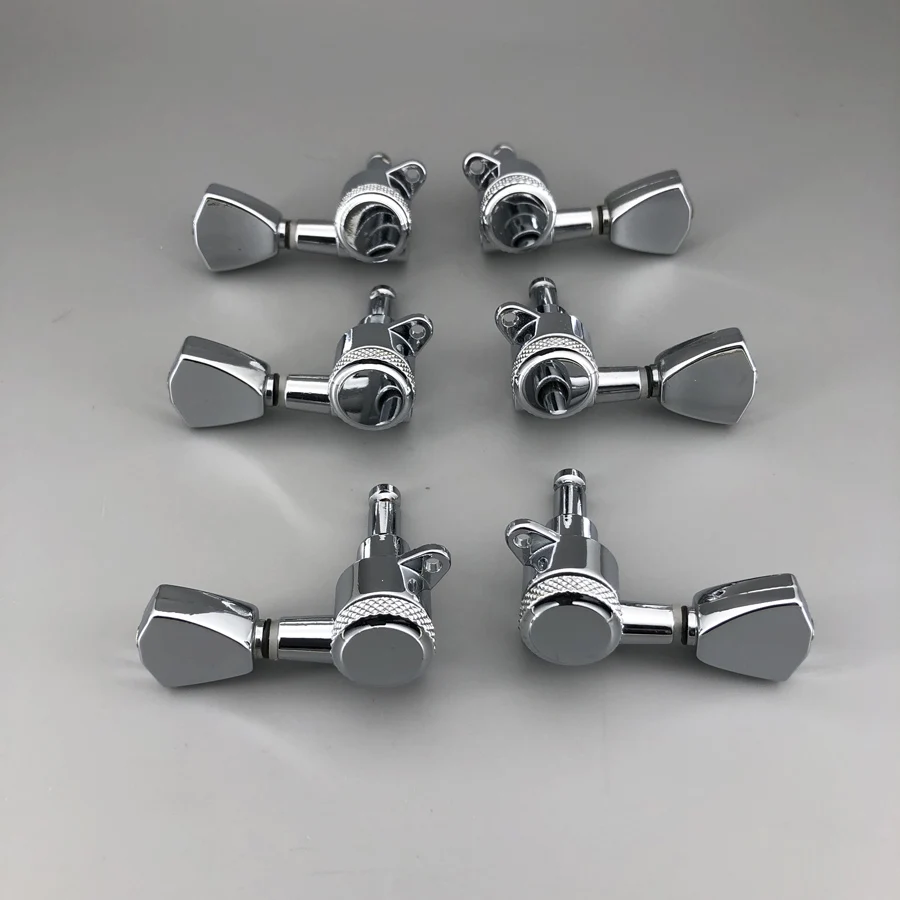
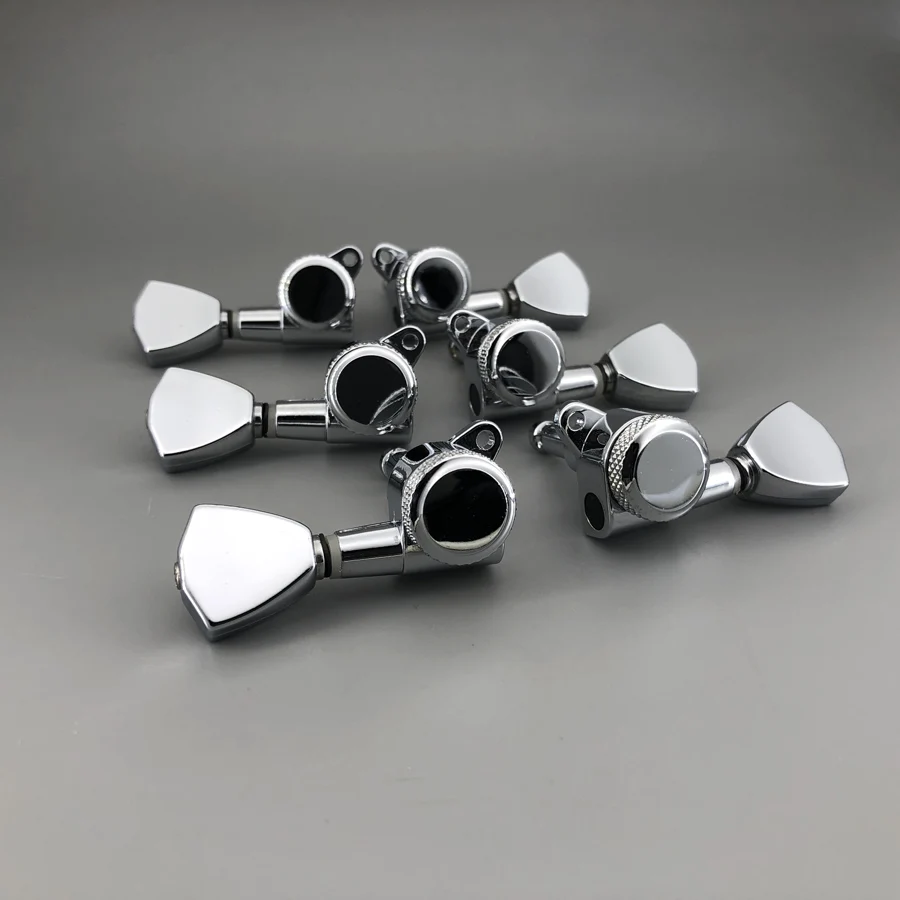
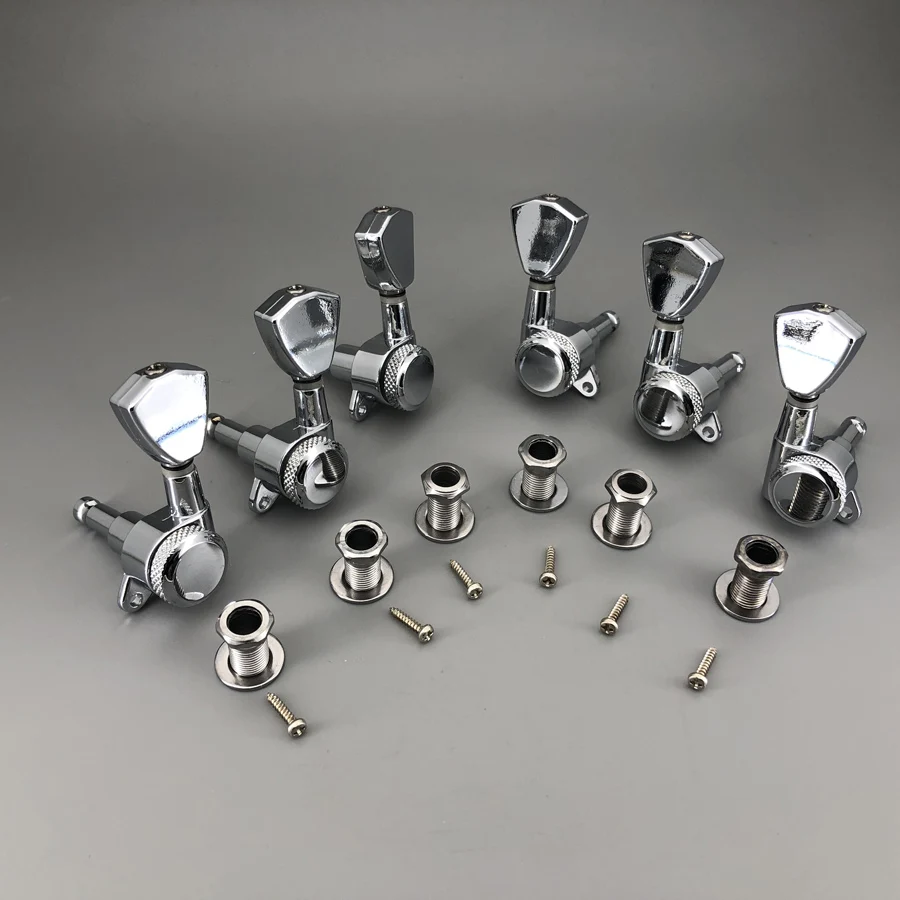
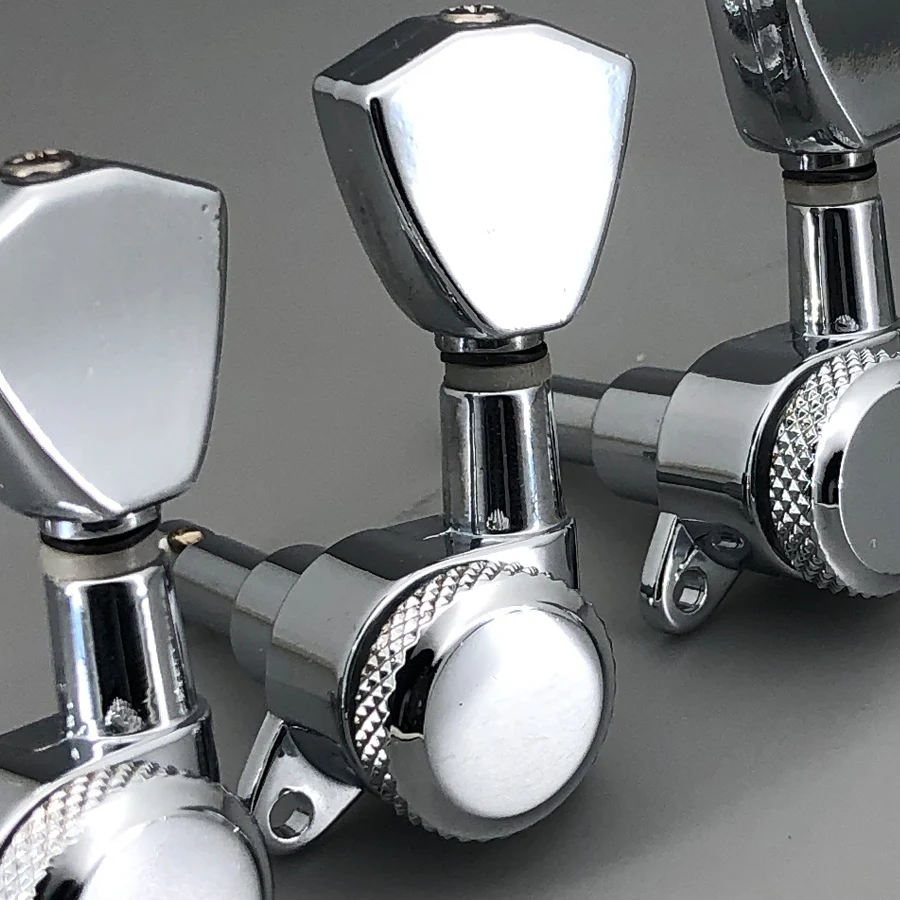
- Die-Cast Construction: This means they're built to last. Think "tank" in terms of durability. No flimsy plastic here.
- Precise Gear Ratio: This allows for fine-tuning adjustments. Think "smooth operater" with just the right amount of tension.
- Sealed Design: This keeps out dust and grime, contributing to their long-term reliability. This also is a great feature if you are like me a bit of a slob, I have lost countless picks into tuner holes!
- Various Finishes and Configurations: Brushed Chrome, Gold, Black… Whatever your aesthetic, Schaller probably has a set to match. (I'm partial to the chrome myself; it's classic.) The straight or staggered posts are another decision that gives you tuning options. I got all of the above in my collection, and I honestly can't tell a difference.
H2: Beyond the Hype: The Real-World Experience (warts and all!)
Now, let’s be honest. No product is perfect. Even the Schaller M6s have their quirks.
H3: Installation, the First Hurdle (and My Dumb Mistakes)
Installing tuners can be a rite of passage for any gearhead. And for me? Well, let’s just say it wasn't always smooth sailing. My first self-install involved a lot of swearing, a slightly mangled headstock (don’t judge, I was young and eager!), and a desperate plea to YouTube.
- The Drill Bit Debacle: Measure twice, drill once, they say. Easier said than done when you're buzzing with excitement (and maybe a touch of caffeine). One slip of the drill, and BAM! Slightly oversized hole. Thankfully, a little ingenuity (and some strategically placed toothpicks) saved the day.
- Post Alignment Pains: Getting those posts perfectly aligned? Sometimes a bit trickier than it should be. I've had a few instances where I had to loosen the tuners and rotate them 180 degrees…
H3: Tuning (and Retuning) Real Talk
The Schaller M6s are undoubtedly a significant upgrade in terms of tuning stability. But let’s be real: if your guitar has issues elsewhere (a dodgy nut, a worn-out tremolo system, etc.), even the best tuners won't magically fix everything.
- String Stretching: Okay, this applies to any new strings, but those initial few times of tuning and retuning can be frustrating. It's just part of the process. But, I will say, once the strings settle in, the M6s really shine. They hold their own. It's that initial adjustment that gets me every time.
- Temperature Blues: This is a pretty universal phenomenon but I've noticed a slight drift in tuning when moving back and forth between cold and warm environments. This isn't really specific to the Schaller M6s but this shows up in any tuning system.
H3: The "They're Not Magic": Setting Realistic Expectations
The Schaller M6s are excellent. They're a major upgrade over many stock tuners. But they aren't a magical fix for every tuning problem. They won't compensate for a poorly cut nut or a warped neck. They are amazing though and still the best option.
H2: The Verdict: Are Schaller M6s Worth the Hype? (My Gut Reaction!)
Listen, I wouldn't be writing a whole article about them if I didn't think they were worth it, would I?
H3: The Good, the Bad, and the Beautiful
The Good: Fantastic tuning stability. Solid build quality. Sleek aesthetics. They make your guitar feel more… premium. And trust me, once you've experienced the joy of playing a song from start to finish without having to retune, you'll be completely sold.
The Okay: Installation can be a bit tricky if you're a novice. They're not the cheapest tuners on the market (but then again, you get what you pay for!).
The Beautiful: Holding your guitar and playing it. The feeling of reliability. The confidence to bend a string and know it'll stay in tune. That's the beautiful part.
H3: My Ultimate Recommendation (and a Little Bit of Fanboyism)
Yes. Absolutely, unequivocally, YES! If you're looking for a tuner upgrade, if you're serious about your guitar playing, and if you want to spend less time tuning and more time rocking, then invest in a set of Schaller M6s. You won't regret it. They're a worthy investment that will significantly improve your playing experience. Period. And if you ask me? They're the closest thing to guitar nirvana I've found. So go on, get yourself a set, and prepare to fall in love with your guitar all over again. You might even find yourself becoming a bit obsessed. You have been warned! Now grab your axe and lets get rockin'!
Le Graal des Guitaristes : FAQ (et un peu de folie) concernant les Mécaniques Schaller M6 !
Alors, Schaller M6, vraiment le Graal ? Elles valent le coup, ces mécaniques ?
Honnêtement ? C’est pas aussi simple. C'est une question qui ressemble à "Est-ce que l'amour existe ?". Attendez-vous à des hauts et des bas. Oui, techniquement, elles sont *super* bien. Fluides, précises, tiennent l'accord comme si elles étaient vissées à la pierre. Mon ancienne gratte, une vieille Les Paul (que j'ai surnommé "La Dame en détresse" parce qu'elle se désaccordait au moindre changement de température... ou de regard), elle est maintenant transformée en une machine de guerre. Plus besoin de ré-accorder après chaque morceau, un soulagement ! Avant, c'était une vraie plaie : un accordage avant de jouer, un autre pendant, pis encore après le solo... Bref, un enfer !
Mais voilà le hic : Le "Graal", c'est un peu sur-vendu. C'est pas magique. Si vous avez une guitare de merde, les M6 ne vont pas la transformer en Stradivarius. Et surtout, comptez pas sur elles pour améliorer votre jeu. Toujours pas capable de faire un bon barré ? Eh bien, les M6 ne vont pas vous aider !
Anecdote : Un jour, j'étais tellement excité, j'ai monté les M6 sur ma strat... Directement ! J'ai même pas refait le réglage du manche derrière... Résultat ? La guitare jouait mieux, ok... mais j'ai quand même passé trois heures à tout ré-ajuster après. J'étais vert ! Leçon numéro 1 : prenez votre temps.
Le montage, c'est facile à faire soi-même, ou faut-il obligatoirement un luthier ?
Ça dépend. Si vous êtes bricoleur, un minimum, et que vous suivez les instructions (c'est *toujours* une bonne idée), vous pouvez le faire vous-même. Le plus important, c'est de prendre les bonnes mesures avant de commander (diamètre des trous, etc.). Sinon, c'est la cata assurée !
La vérité crue : Moi, j'ai fait les deux, et j'ai lutté ! La première fois, j'étais sûr de moi. "Je suis un génie, je vais y arriver !" J'ai foiré. Les trous étaient trop gros, trop petits... Un désastre ! J'ai dû tout recommencer. J'ai même esquinté le vernis (je crois que j'ai pleuré intérieurement). La deuxième fois, j'ai fait appel à un luthier. Et là... Magie ! Nickel chrome. Le mec a fait ça en 1 heure chrono. C'est beau, c'est propre, c'est… Pro !
Conseil : Si vous hésitez, allez chez un pro. Vous gagnerez du temps, de la sérénité, et vous éviterez de transformer votre guitare en gruyère.
Quelle finition choisir ? Chrome, doré, noir ? Y a-t-il une (vraie) différence ?
Ah, le style ! C'est là où ça se corse ! C'est plus une question de goût qu'autre chose. Le chrome, c'est classique, ça va avec tout. Le doré, attention au bling-bling (sauf si vous *assumez*). Le noir, c'est plus moderne, plus discret.
Mon humble avis (et il est précieux) : Le chrome, c’est toujours safe. J’aime bien le noir sur certaines grattes, ça fait classe. Mais le doré… Soyez *vraiment* sûr de vous. Surtout sur une Les Paul… Vous pourriez ressembler à un guitariste de mariage…
Anecdote : Un jour, j'ai vu un mec avec une Les Paul dorée et des mécaniques dorées. Il jouait du métal. C'était… particulier. Il avait l'air plus riche qu'un banquier, et moins guitariste qu'un débutant. J'ai juste… hoché la tête. Courage, mon gars.
Les Schaller M6 améliorent-elles vraiment le son ? C'est une question de foi, ça, non ?
Alors... le son... C'est là où ça devient philosophique. Vont-elles changer le son de votre guitare de manière spectaculaire ? Non. Ça ne transforme pas une Harley Benton en Custom Shop Fender.
Mais ! Elles éliminent les problèmes liés aux mécaniques d'origine pourries. Moins de vibrations parasites, moins de résonances indésirables. Cela peut, subtilement, améliorer la clarté du son. C'est comme changer de câbles : ça ne transforme pas tout, mais ça peut affiner le résultat. Ensuite, il y a l'influence psychologique : si vous savez que vos mécaniques sont au top, vous jouerez peut-être mieux, parce que vous êtes plus confiant !
Mon expérience perso : Sur ma Strat, j'ai senti une petite différence. Plus de sustain, des notes plus "nettes". Mais… C'est subtil. Si vous cherchez une révolution sonore, passez votre chemin. Si vous cherchez une amélioration discrète, mais bienvenue… Allez-y. Mais n'oubliez pas d'ajuster le reste de votre matériel. C'est pas une baguette magique !
Et la compatibilité ? Ça rentre sur n'importe quelle guitare ?
Hélas, non ! C’est pas aussi simple que de visser une ampoule. Il faut vérifier le diamètre des trous sur votre tête, le modèle de mécaniques actuel (pour voir si elles sont à vis ou à chevilles), et l'entraxe. Faut pas se planter, sinon… retour à la case départ ! Patience et précision sont les maîtres mots.
Leçon apprise à mes dépens : Une fois, j'ai voulu faire le malin. J'avais une vieille guitare Folk que j'adorais, mais ses mécaniques… Horribles ! J'ai cru que les M6 iraient dessus direct. Erreur fatale. Les trous étaient trop petits. J'ai dû percer (et là, j'ai vraiment eu peur !). Et après... elles ne s'emboîtaient pas correctement. J'ai abandonné. La guitare est restée muette pendant des mois, dans un coin. Je crois qu'elle m'en voulait.
Conseil de pro (ou presque) : Si vraiment vous n'êtes pas sûr de vous, demandez l'avis d'un pro. Ils ont l'habitude. Et ça vous évitera de gâcher