Ouvrez votre portail comme par magie ! Mini module 433MHz - Contrôle ultime !
- Ouvrir portail à distance avec mini module 433MHz
- Télécommande portail 433MHz facile à installer
- Comment contrôler un portail électrique avec un module 433MHz
- Mini module 433MHz pour portail: installation et configuration
- Kit contrôle portail 433MHz pas cher et performant
- Module 433MHz pour portail: compatibilité et portée
- Programmer une télécommande portail 433MHz avec un module
- Portail automatique avec module 433MHz: guide complet
- Antenne 433MHz pour améliorer la portée du portail
- Choisir le bon module 433MHz pour son portail
- Le module 433MHz et la sécurité du portail
- Brancher un module 433MHz sur le moteur de portail
- Problèmes et solutions avec le module 433MHz de portail
- Module 433MHz pour portail: compatible avec BFT, Came, Somfy ?
- Récepteur 433MHz pour automatisation de portail
- Télécommande portail 433MHz avec plusieurs boutons (gestion des accès)
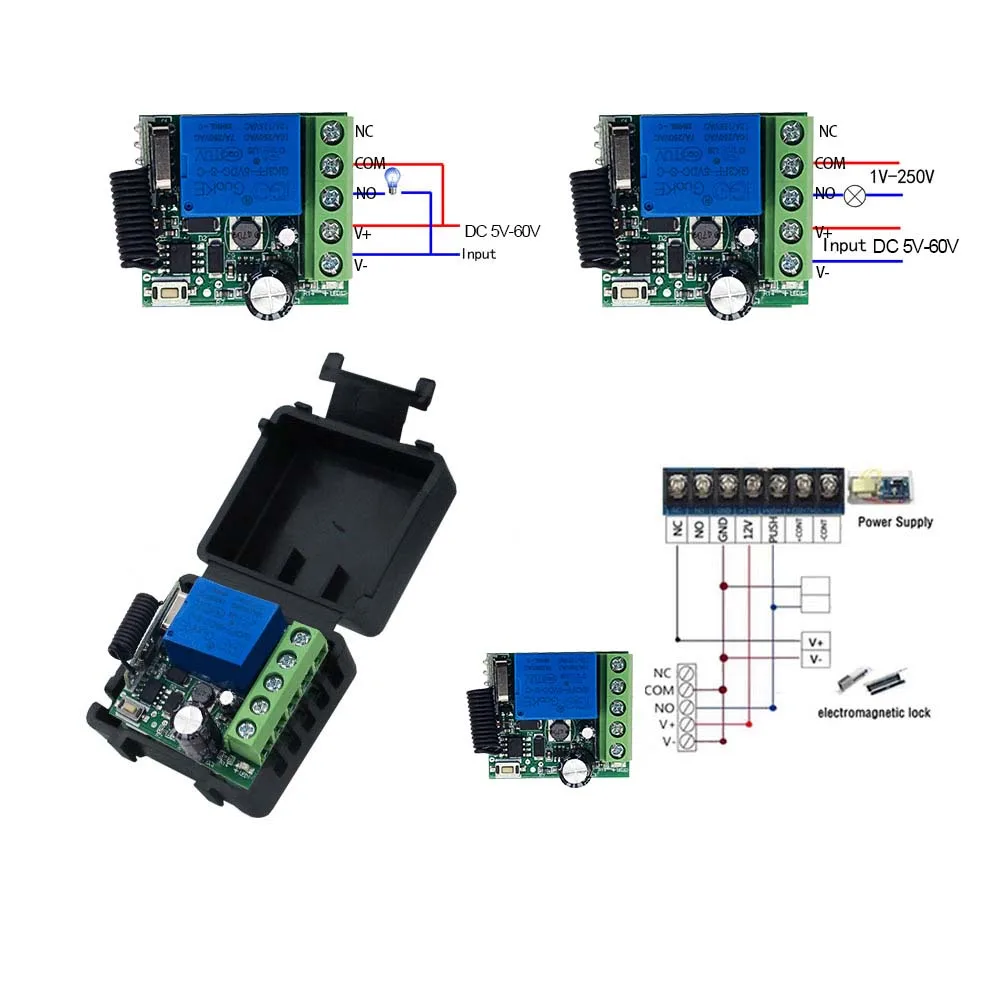
- Installation module 433MHz et alimentation bornier
- Portée télécommande 433MHz réduite, comment l’améliorer?
- Module 433MHz pour portail: les différents types de codes (rolling code, code fixe)
- Batterie télécommande portail 433MHz faible, que faire?
- Comparatif modules 433MHz pour portail (prix, fonctionnalités)
- Mini module de contrôle à distance pour motorisation de portail
- Automatiser un portail coulissant avec module 433MHz
- Automatiser un portail battant avec module 433MHz
- Module 433MHz et système de gestion d'accès
- Erreur d'installation module 433MHz portail, diagnostic et réparation
- Centralisation portail et module 433MHz
- Le module 433MHz et la garantie du portail
- Alimentation module 433MHz et consommation électrique
- Tutoriel vidéo: installer un module 433MHz sur un portail
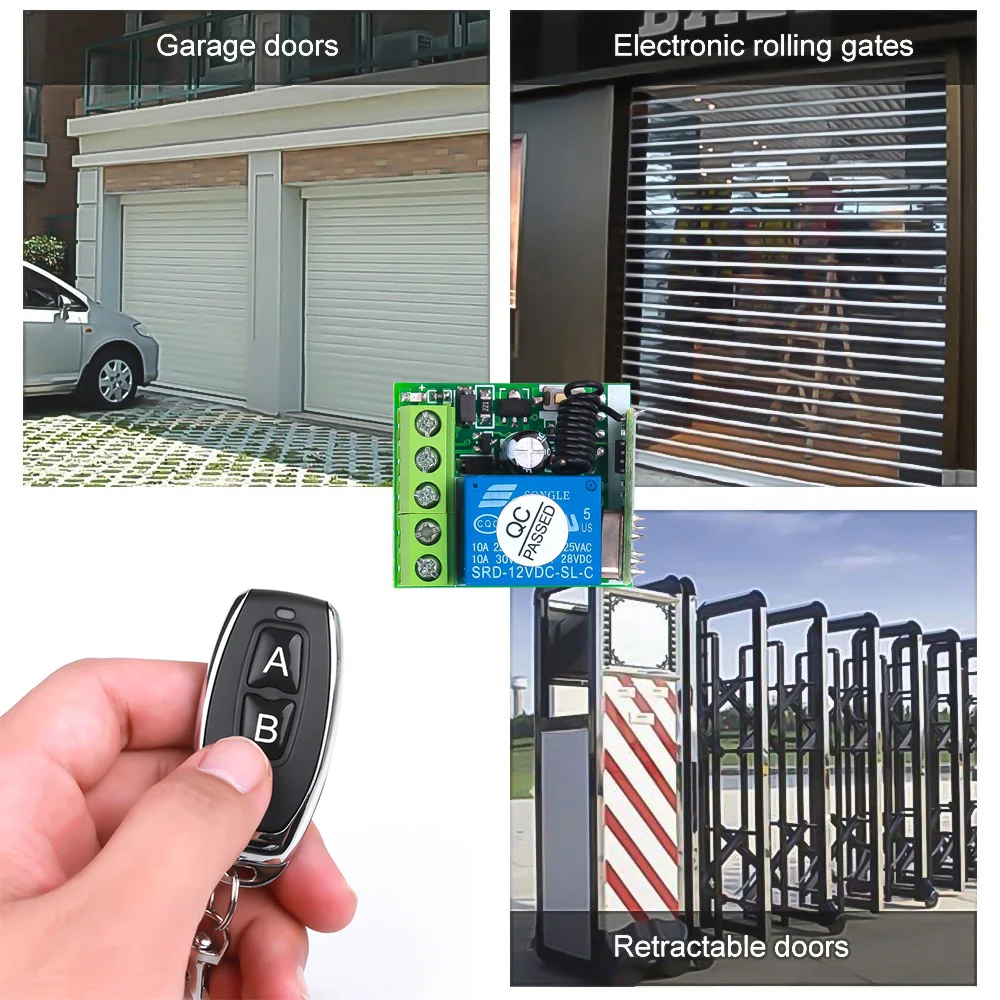
- Module 433Mhz pour porte de garage
- Télécommande universelle pour portail 433MHz
- Module 433MHz et programmation des télécommandes (apprentissage)
- Sécurité renforcée pour portail avec module 433MHz (cryptage)
- Résoudre problèmes interférences module 433MHz
- Le module 433MHz et la législation (fréquence)
- Durée de vie module 433MHz et télécommande
- Diagnostiquer un module 433MHz défectueux
- Mini module 433MHz et domotique (intégration)
- Portail connecté avec module 433MHz et smartphone
- Comment dupliquer une télécommande 433MHz pour portail
- Portée d'un module 433MHz par rapport aux obstacles (mur, maison)
- Module 433MHz et capteur de sécurité (photocellules)
- Module 433MHz et alimentation 12V ou 24V
- Module 433MHz et programmation des télécommandes
- Recommandations pour installation module 433MHz extérieur
- Tester un module 433MHz avant installation
- Mini-module 433MHz pour motorisation et contrôle
Ouvrez votre portail comme par magie ! Mini module 433MHz - Contrôle ultime !
Contrôlez TOUT à distance : Mini Module Relais 12V 10A 433Mhz !Opening That Virtual Gate: My Rollercoaster Ride with the 433MHz Mini-Module
Alright, friends, buckle up! Because we're diving headfirst into the wild world of…wait for it…remote control! Specifically, the tiny titans of the electrical world: the 433MHz Mini-Module. Or, as I like to call it, "The Gateway to Laziness (and Occasional Frustration)." This isn't your slick, perfectly polished tech blog. This is the REAL DEAL. The one where I fumble, curse (under my breath…mostly), and, hopefully, eventually…triumph.
The Dream: Remote Control Everything (Or at Least, the Garage Door)
My story begins, as all good stories do, with a problem. Actually, it starts with a desire. A deep, burning need to not have to physically get out of my car to open the blasted garage door. You see, I'm a connoisseur of comfort. A champion of convenience. And walking ten measly feet felt like traversing the Sahara in August.
So, naturally, I scoured the internet for a solution. That's when I stumbled upon the 433MHz Mini-Module. The promise? Magic! Control your gadgets from afar! Imagine the possibilities! The remote-controlled coffee maker! The self-watering petunias! (Okay, maybe I got a little carried away). But seriously, the prospect of finally ditching that clunky, ancient garage door opener was pure gold.
The Humble Beginnings: Unboxing and (Immediately Failing)
The module arrived. Small. Plastic. Filled with the alluring promise of future-tech glory. I ripped it open with the enthusiasm of a kid on Christmas morning. Then, the reality check hit me. Wires. Breadboards. Jumper cables. Oh, hell.
I'd underestimated the complexity. The little instruction sheet, which, let's be honest, was more like a pamphlet scribbled in another language with a few vague diagrams, offered about as much help as a screen door on a submarine.
The First Spark (Literally!)
My first attempt was, well… let's say explosive. Not literally. I didn’t blow the house up (thankfully). But I did manage to fry a component. A little puff of smoke, a sad sizzle, and suddenly, I was the proud owner of a brick. Defeated, I tossed the wreckage aside. Okay, maybe not tossed. More like… gently placed it on the table, hoping it would magically fix itself. It didn't. Sigh.
Digging Deeper: The Internet Saves the Day (Maybe)
After a day of wallowing in my technological ineptitude, I begrudgingly turned to the internet. YouTube, Google, forums – the digital lifeline for the hopelessly clueless. Hours melted away as I consumed video after video, article after article. I learned about voltage regulators, resistors, and the mystical properties of the Arduino. (Okay, maybe I understand some of the properties…ish).
The Arduino Awakening: My Savior?
That's where the Arduino comes in. This little microcontroller board. After some effort, I managed to upload the correct code. I felt like a proper hacker. I started to re-wire the module…I got a little confused in there… but with some tutorials and patience… I found my way.
Back to Reality: The Intermittent Signal
Once I finished the wiring, I tested the remote. At first it worked perfectly! I was literally jumping with joy, waving that little remote like a Jedi Knight. But then, the reality of my situation struck again. The range was terrible. I had to be practically inside the garage to get it to open. Seriously. What a buzzkill.
The Breakthrough (And the Breakdown That Followed)
After troubleshooting and some tinkering, I managed to boost the range. I'm not entirely sure how. I think it involved re-soldering a bunch of wires and sacrificing a small, plastic gnome to the radio frequency gods. The details are hazy. The point is, it worked.
I was ecstatic. Finally! Freedom! The glorious ability to open my garage door from a reasonable distance! I practically skipped to my car, remote in hand, ready to conquer the world. The garage door rumbled to life, then promptly…stopped.
The Moment of Truth: The Garage Door Strikes Back
The garage door. Didn't. Open. Again. The motor whirred, the lights blinked, but the door remained stubbornly shut. My triumph had been short-lived. Very, very short-lived. I'd gone from hero to zero in approximately 3.5 seconds.
The Return of the Failure: A New Low-Level Disaster
I fiddled with the remote more, the receiver on the module… something. Nothing. I tried everything. I checked the wiring. I checked the batteries (they were fine, of course). I grunted. I sighed. I considered just getting out of the car.
I even tried to reprogram the transmitter and receiver. Nothing. My pride was hurt. My comfort was lost. I got out and manually opended the door.
The Aftermath: Lessons Learned (And Maybe a Few More Modules?)
Look, the 433MHz Mini-Module is not for the faint of heart. It's a challenge. It's a headache. It's a test of your patience and your sanity. But, you know what? There's something strangely addictive about it. This weird, little, inexpensive board.
The Future: A Love/Hate Relationship
Would I recommend it? Absolutely. But with caveats! Be prepared to fight. Be prepared to fail. Be prepared to spend hours troubleshooting. But also, be prepared for the satisfaction. When it finally works, it's pure, unadulterated joy. Once you feel the buzz of success and see your garage door slowly opening. You keep going.
Final Thoughts: The Journey Continues
So, am I done with the 433MHz Mini-Module? Absolutely not. I'm probably going to order another one (or three) and try again. I imagine I am going to face some more problems. Perhaps I'll get the remote control coffee maker eventually. Or maybe I'll just finally give up and buy a pre-built system. But where’s the fun in that? The journey, my friends, is where it's at. And this journey is far from over.
Ouvrez votre portail comme par magie ! Mini module 433MHz - Contrôle ultime !: FAQ (Et le bordel qui va avec...)
Alors, ce machin là… c’est vraiment “magique” ? J’veux dire, ça marche *vraiment* ?
Honnêtement ? Oui, *et non*. C'est pas comme si, BANG, tu claques des doigts et ton portail s'ouvre sur le monde des licornes (dommage...). C'est de la technologie, hein, avec des ondes radio et tout le tralala. **Mais !** Quand ça marche... bordel, c'est *presque* de la magie. Imagine : tu arrives chez toi sous la flotte, tu sors TA télécommande (oui, celle que tu as galéré à retrouver au fond de ton sac), et PAF ! ton portail s'ouvre. La classe. Du coup, oui, oui, ça marche. Mais il faut que ça marche *bien*. Et là, on entre dans le vif du sujet…
L’installation... c’est quoi le niveau de difficulté ? Genre, est-ce que j’vais devoir appeler un pote électricien (et lui promettre des pizzas pendant une semaine) ?
Euh… ça dépend. Si t'es du genre à changer une ampoule sans te brûler les doigts, tu devrais t’en sortir. Si tu confonds un fil électrique avec un brin de persil… appelle ton pote. Sérieusement. Le truc, c'est que tu dois comprendre comment marche ton portail actuel (même si c'est pas évident). Faut bidouiller un peu, brancher des fils (avec le courant coupé, hein ! Je veux pas être responsable de ton électrocution !), et surtout, *lire la notice*. Oui, je sais, c'est chiant. Je l'ai fait deux fois, celle-là. La première fois, j'ai tout branché à l'envers. Résultat : rien. La deuxième fois, j'ai pris mon courage à deux mains… et ça a marché. Ouf.
Anecdote de la loose : J'ai une copine, elle a essayé de faire ça. Elle était tellement stressée qu'elle a confondu le fil "moins" avec le fil "plus". Y'a eu des étincelles, une odeur de brûlé, et elle a fini par appeler son frère. Elle a même pas eu droit à une pizza. La honte.
Et la portée ? J’ai un grand jardin, genre, j’veux pouvoir ouvrir mon portail depuis la cabane au fond du jardin. C’est possible ?
Alors, la portée… c'est un peu l'arnaque. Ils te vendent ça comme "la portée ultime", mais en réalité, c'est comme les promesses de campagne : ça dépend. Ça dépend des murs, des obstacles, de la météo... et même de la Lune ! (Non, je rigole... enfin, à moitié). J'ai essayé chez moi. J'ai un jardin normal, pas énorme. Ça marche depuis la maison. Mais depuis le fond du jardin… parfois oui, parfois non. Genre, un jour ça marche, le lendemain, *nada*. Alors, cabane au fond du jardin… je suis pas sûr que ce soit gagné. Faut tester ! Et croiser les doigts. Et peut-être, si vraiment tu insistes, mettre une antenne plus puissante. Mais là, on entre dans le bidouillage de pro... et c'est pas mon rayon.
Ressenti : J'étais vraiment frustré. "Portée ultime" ? Pfff. J'ai cru que ça marchait... mais non. Le lendemain, non plus. J'aurais aimé pouvoir faire genre "BOOM, portail ouvert !", mais non. Déception. Légère. On s'éclate quand même.
Ce truc est-il hyper sécurisé ? Genre, est-ce que mon voisin pourrait ouvrir mon portail pour me voler mes nains de jardin ? (Question sérieuse...)
Euh… la sécurité… c'est un peu le point faible de ces machins. Ils utilisent la fréquence 433MHz. C'est une fréquence “libre”. Ça veut dire que si ton voisin a la même télécommande, ou un bidule pour scanner les fréquences, il *pourrait* potentiellement ouvrir ton portail. Honnêtement, c'est pas super courant, mais c'est possible. Après, vol de nains de jardin, c'est un peu extrême… mais bon, chacun ses priorités, hein ?
Conseil : Changez le code de votre portail régulièrement. C’est pas toujours facile de le faire (faut se replonger dans la notice, beurk!), mais c’est mieux que de retrouver votre gnome préféré avec un chapeau de pirate. Ou pire…
J'ai acheté le module, j'ai branché le module, et... ça marche PAS. C'est quoi le problème ? Je dois le jeter par la fenêtre ? (Je suis *très* tenté...)
Respire. Profondément. Non, ne jetez pas ce pauvre module par la fenêtre. On va faire un tour d'horizon du *pourquoi ça ne marche pas*. C'est pénible, promis. Mais on va y arriver.
- Les piles de la télécommande : Vérifiez-les. Sérieusement. C'est bête, mais souvent, c'est ça.
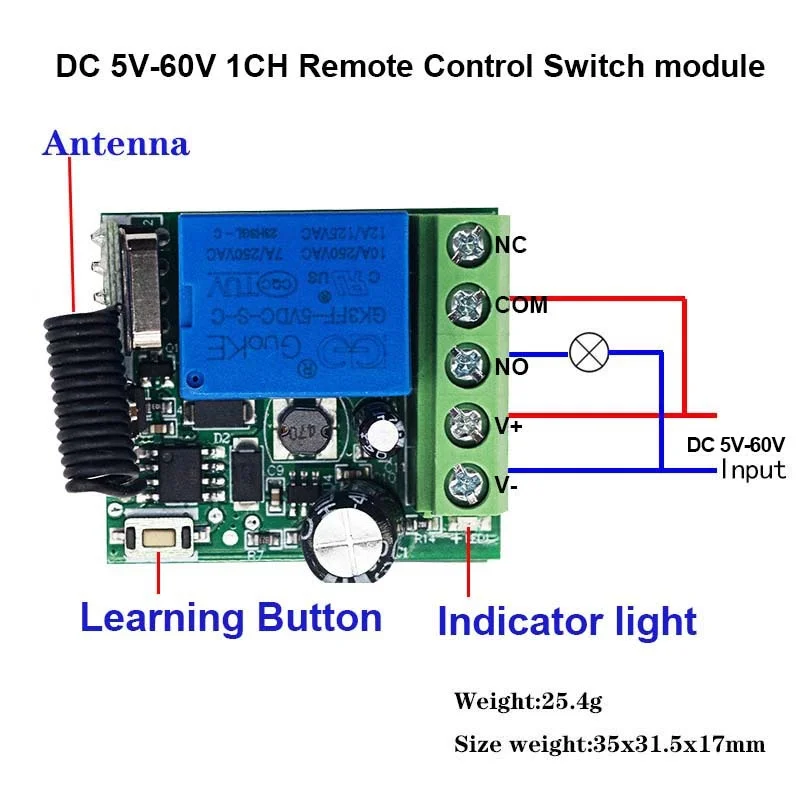
- Les branchements... encore : Revoyez les branchements. Vérifiez que vous avez bien respecté le schéma. Si vous avez interverti des fils, ça ne marchera pas.
- La programmation : Faut aussi programmer la télécommande sur le module. C'est souvent une manip' spécifique (appuyer sur un bouton, puis sur la télécommande...). Relisez la notice !
- L'antenne : L'antenne est bien branchée ? Qu'elle n'est pas pliée bizarrement ou cassée ? Et surtout, est-ce que vous avez quelque chose d'autre qui pourrait perturber le signal ? Genre, un four à micro-ondes... ou un champignon magique géant juste à côté... (non, je rigole... enfin, peut-être...)
- Votre portail... est-il adapté ? Ce module est compatible avec votre système de portail ? C'est bête, mais il faut vérifier. Sinon... ça ne marchera pas, logique.
Si, après tout ça, ça ne marche toujours pas... là, vous pouvez commencer à envisager de le jeter par la fenêtre. Mais avant, appelez l'assistance technique. Ils sont là pour ça... et vous êtes pas tout(e) seul(e) dans cette galère.
Expérience perso (la loose puissance 1000) : Je me suis battu pendant des heures. J'ai tout vérifié 10 fois. J'étais en sueur. J'ai failli tout balancer. Et finalement... c'était juste la pile de la télécommande. Une pile neuve. Défectueuse. J'ai juré pendant 10 minutes. J'avais envie de mourir. Moralité : gardez toujours des piles de rechange. Et de l'aspirine.