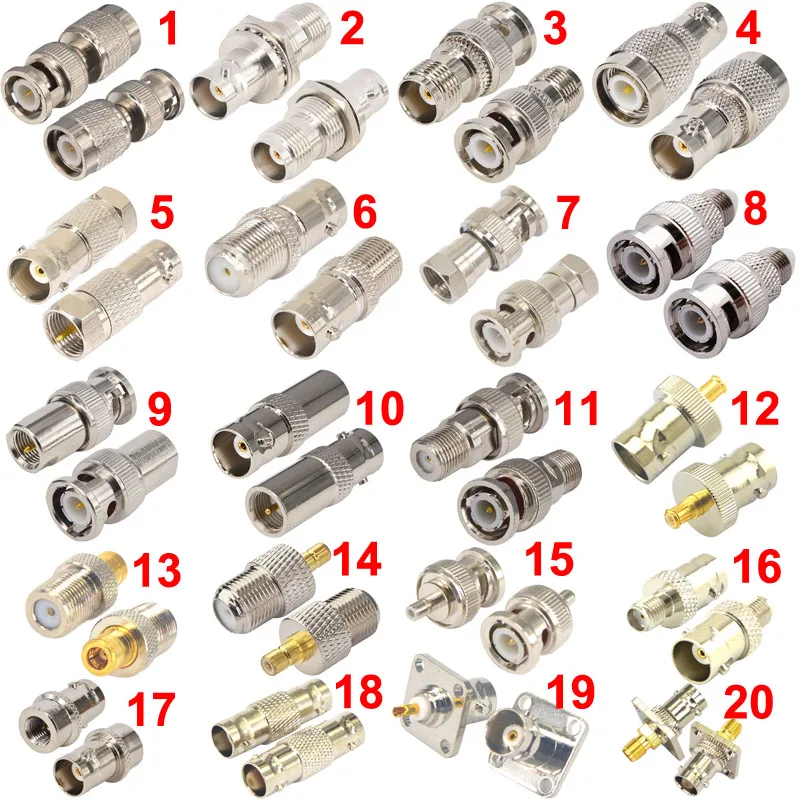
Connecteur BNC TV, Guide Ultime Réception Parfaite
- Connecteur BNC TV pour antenne rateau, LSI : signal fort, qualité image, installation facile
- Connecteur BNC TV et câble coaxial, LSI : impédance 75 ohms, blindage, pertes de signal
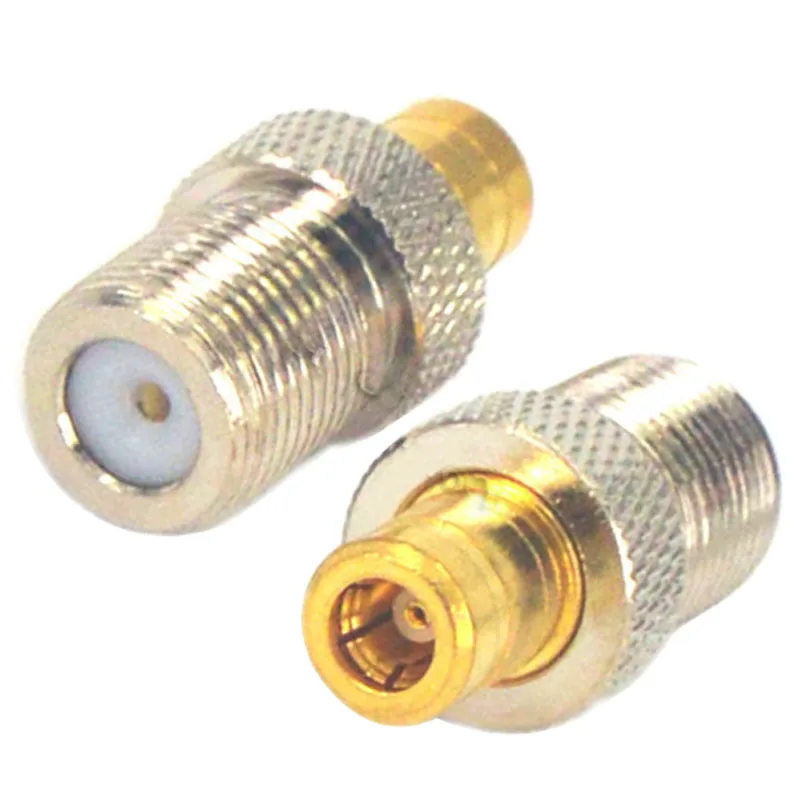
- Connecteur BNC TV et adaptateur, LSI : connectique RCA, prise F, compatibilité matériel
- Connecteur BNC TV pour vidéosurveillance, LSI : caméra de sécurité, enregistreur DVR, transmission fiable
- Connecteur BNC TV : dépannage et troubleshooting, LSI : absence de signal, mauvais contact, soudure
- Connecteur BNC TV : choisir le bon modèle, LSI : fiche mâle, fiche femelle, angle droit, connecteur coudé
- Connecteur BNC TV : installation pas à pas, LSI : outils nécessaires, sertissage, vissage, guide d'installation
- Connecteur BNC TV et amplificateur de signal, LSI : booster d'antenne, gain, performance, portée
- Connecteur BNC TV : entretien et durée de vie, LSI : corrosion, protection, nettoyage, qualité des matériaux
- Connecteur BNC TV : les meilleures marques, LSI : qualité prix, fiabilité, connectivité, avis consommateurs
- Connecteur BNC TV : guide d'achat comparatif, LSI : prix, caractéristiques, performance, comparaison
- Connecteur BNC TV : optimisation de la réception TNT, LSI : polarisation, orientation antenne, analyse du signal
- Connecteur BNC TV pour broadcast et studios, LSI : équipements professionnels, vidéo HD, SDI, AES/EBU
- Connecteur BNC TV : les erreurs à éviter, LSI : faux contacts, inversion des polarités, mauvaise qualité de câble
- Connecteur BNC TV : comparaison avec les autres types de connecteurs, LSI : prise F, prise antenne, HDMI
Connecteur BNC TV : Le Guide Ultime pour une réception parfaite !
Révolution LoRaWAN : Antenne Helium 868MHz IMBATTABLE pour Bobcat & RAK!Connecteur BNC TV : Le Guide Ultime… Ou Presque ! (Parce Que La Vie Est Rarement Parfaite)
Okay, buckle up, buttercups, because we're diving headfirst into the wonderfully wonky world of BNC connectors for your TV. Forget the sleek, minimalist articles – this is gonna be a messy, opinionated, and (hopefully) hilarious journey. Consider this less a "guide" and more a therapy session for your cable woes. Let's do this!
Connecteur BNC TV : The Unofficial, Slightly Imperfect, But Hopefully Helpful Guide to Signal Salvation!
H2: Introduction: Why BNC? Because Sometimes, You Just Gotta Get Technical (And Possibly Frustrated).
Let's be honest. Most of us just want to plop down on the couch, grab the remote, and voilà - instant entertainment. But sometimes, technology throws a massive wrench in the works. And sometimes, that wrench is a BNC connector.
My first encounter? A client's audio system. Let’s just say the phrase "impedance matching" still gives me nightmares. The sheer number of wires, the tiny fiddly bits… Honestly, I was sweating bullets. Then, the BNC cables started acting up, and the sound cut out. Cue the internal screaming. That's the kind of introduction you never forget. So, while BNC connectors might seem like a niche player in the TV world, they're essential for some setups, particularly those that require a certain level of precision and stability. We're talking about your precious signals, people!
H3: The Basics: What Is a BNC Connector Anyway, You Techy Terror?
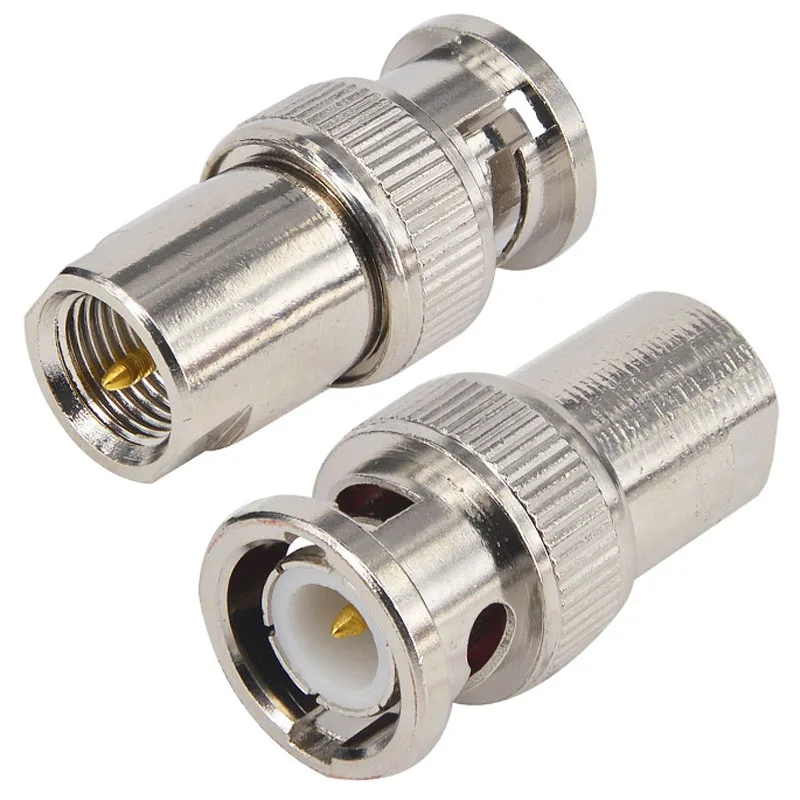
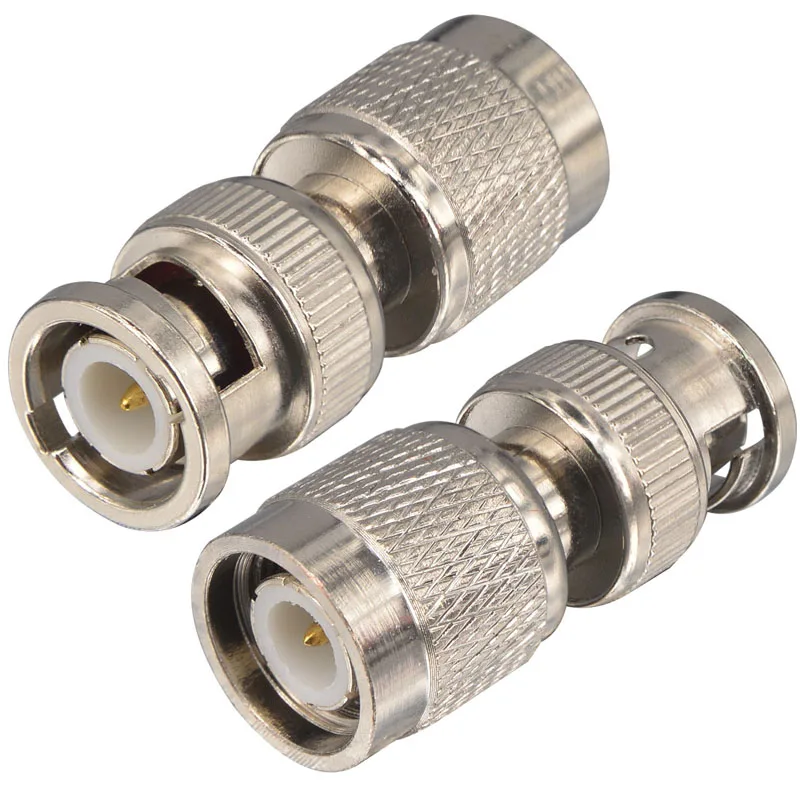
Don't worry, you don't need a PhD in electronics to understand this. BNC stands for "Bayonet Neill–Concelman." (Yeah, makes sense, right? Like what even is a "bayonet" in this context? Whatever!) Basically, it's a type of connector that uses a locking mechanism to provide a secure connection. Think of it like a twist-and-click system, similar to the way you attach a lens to a camera, but way more important for not messing up your picture!
The core function? It’s to carry signals. And in the world of television, especially some older (and sometimes, let's be honest, better) setups, that means getting the picture from the source—your cable box, your antenna, etc.—to your screen without a ton of interference.
H3: BNC vs. The Competition: Why BNC Still Matters (Sometimes).
Now, there's a whole ecosystem of connectors out there, constantly vying for your attention. HDMI, RCA, even the ever-present coaxial cable. So, why BNC?
- Stability is Key: If you need a rock-solid connection that won’t wiggle loose at the slightest touch, BNC connectors are your friend. (Unlike, ahem, some other connectors I could mention - cough RCA cough).
- Signal Quality (Potentially): BNCs are often designed for high-frequency signals. That means better signal integrity and less signal degradation. Which translates to a cleaner picture.
- It’s a Legacy Thing: In some professional audio/visual industries, BNC is still a standard, and it’s sometimes needed for specific monitors or studio equipment.
H2: Diving Deeper: The Nitty-Gritty of BNCs and Your Television
H3: Different Types of BNC Connectors: Because One Size Does Not Fit All.
Like snowflakes, not all BNCs are created equal. The world of BNCs is vast. There's 50-ohm and 75-ohm versions (and just when you thought you were getting a handle on this!). Making sure you have the right impedance matching is crucial. Get it wrong, and you're staring at a fuzzy mess. Do yourself a favour and label everything. Seriously. Your future self will thank you for it.
H3: Connecting Your BNC: The Art of the Twist (And Preventing a Meltdown).
Okay, let's get physical. Connecting a BNC is generally a straightforward process.
- Prep the Cable: You'll need to strip the end of your cable – carefully! Too much, and you'll have a short. Not enough, and… well, it won't connect.
- Assemble the Connector: Each connector is slightly different. Follow the manufacturer's instructions! (Yes, I know, reading instructions… who has time for that? But trust me on this one).
- Attach the Connector to the Cable: This part can vary. Some connectors require crimping tools (pro tip: invest in a good one, and take the time to learn to use it), while others screw on.
- The Twist-and-Lock: This is the moment of truth. Insert the BNC into the port on your device and twist until you feel it lock in place.
- Pray: Seriously. Sometimes, it feels like prayer is the only thing that gets your electronics working!
I vividly remember one time I was trying to connect a series of BNC cables for a video installation. After hours of fidgeting. Frustration was at an all-time high. It turned out I was using the wrong type of connector. The wrong type. I could've screamed. So, read those instructions. Twice.
H3: Troubleshooting Troubles: When Your BNC Goes Rogue (And How to Tame the Beast).
Even the best connections can go wrong. Here's a hit list of common problems and how to conquer them:
- No Signal: The most common culprit. Check all your connections, make sure all devices turned on. Cable damage? Maybe your cable box or antenna is on the fritz. Try a different cable.
- Fuzzy Picture: Impedance mismatch! Your BNCs might not match the signal type. Also, check the overall signal quality.
- Interference: Keep those cables away from power cords, if possible. Shielded cables can help.
H2: Real-World Woes: Stories from the BNC Battleground
H3: My Personal BNC Hell: A Series of Unfortunate Events.
Oh boy, do I have stories. The time I spent hours troubleshooting a complex video setup, only to discover a bent pin in a BNC connector? The silent scream that escaped me. The client's impatient gaze. It's a memory that still makes my palms sweat. Then there was the time… well, let's just say I've learned the hard way to keep those connectors clean (and the importance of good cable management). The constant twisting, the ever-present fear of breaking the connection… I swear, I can still feel the phantom touch of a BNC connector.
H3: The Triumph of Victory, Or, At Least, a Slightly Better Picture.
Even with the frustration, there are moments of triumph. Like the time I finally, finally, got the perfect picture on a client's vintage monitor using a carefully curated BNC setup. The joy! The relief! The knowledge that I, against all odds, had wrangled the chaos and produced a beautiful, pristine image. Moments like that are why we keep going back for more.
H2: Final Thoughts: Embracing the Imperfection (And Maybe Buying More Cables)
So, there you have it. A slightly messy, but hopefully helpful, guide to the BNC connector in the world of TV. Remember, technology is rarely perfect. Sometimes, it's more about perseverance, a little bit of knowledge, and a whole lot of patience. And maybe, just maybe, a backup supply of BNC cables. You never know when you'll need them. Now go forth, and conquer your connections! And if you get stuck… well, you know who to call (hint: it's not me, I'm probably troubleshooting my own mess). Now go forth and connect, and don't be afraid to fail. Because even the failures are how we learn, and hey, a slightly blurry picture might be the cost of a decent BNC experience. Or a full therapy session. Either way, good luck, and may your signals be clear and your connections strong!
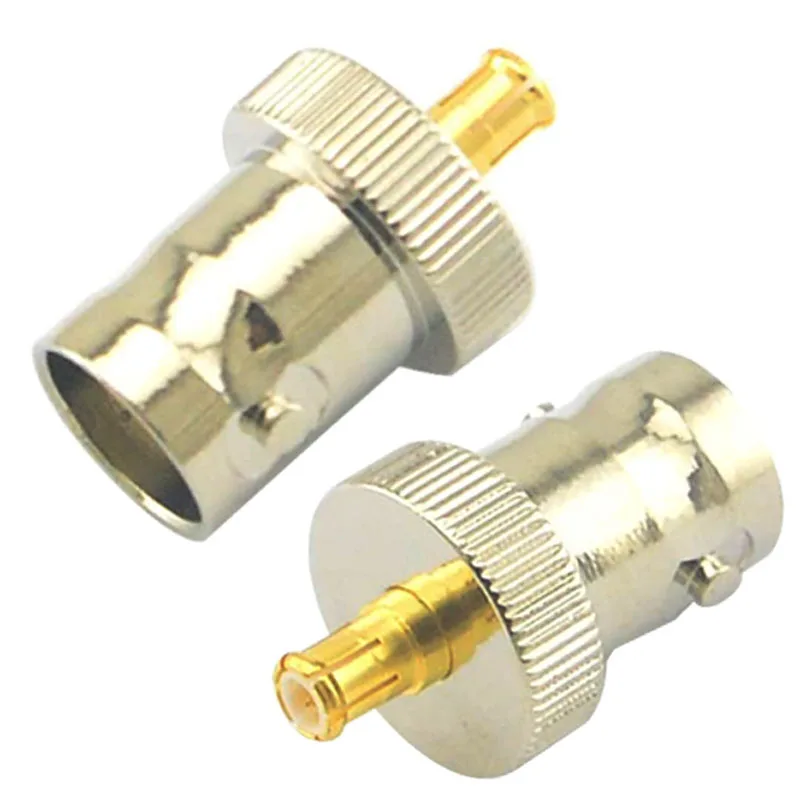
Connecteur BNC TV : Le Guide... enfin, on va essayer !
(Parce que la perfection... c'est comme trouver une chaîne qui passe toujours ce que tu veux, hein?)
C'est quoi, ce machin, un connecteur BNC TV ? Genre, vraiment, qu'est-ce que c'est ?
Ah, le BNC ! C'est ce truc... rond, avec la petite baïonnette qui se clipse. On dirait une grosse seringue, parfois. En gros, c'est le *métro* de ton signal télé. Il transporte les ondes, les images, le son... tout ça, de l'antenne à ta télé (ou l'inverse, selon le sens du courant, quoi). Les vieux ont grandi avec ça, les jeunes... bon, les jeunes, ils ont probablement des trucs plus modernes, mais le BNC, il reste fidèle au poste, le bougre.
Anecdote : Mon grand-père, un vrai bricoleur, avait des dizaines de ces connecteurs. Il les gardait dans un bocal, comme des bonbons. Il était capable de réparer une télé avec une pince, un tournevis... et un BNC, bien sûr. Des fois, ça marchait, des fois... bah, ça ne marchait pas. Mais il avait l'air fier quand même.
Pourquoi avoir un connecteur BNC TV plutôt qu'un autre connecteur ? Genre, le HDMI... (Oui, je sais, je compare des pommes et des choux...)
Ah, le HDMI... Le caviar de la connexion, le connecteur tout beau tout neuf ! Sauf que... le BNC, il est robuste. Il est né pour durer. Il est là depuis des lustres. Le HDMI, c'est plus fragile, plus "je suis branché, je suis débranché, j'ai le vertige". Et puis, le BNC, c'est souvent pour les signaux analogiques. Donc, pour des vieilles télés, des antennes un peu... rustiques. C'est le connecteur du "vintage", quoi !
Obsession : J'ai un vieux magnétoscope qui a besoin d'un BNC pour l'antenne. J'ai galéré, j'ai transpiré, j'ai insulté le magnétoscope... Mais j'ai fini par réussir! Et j'ai regardé "Le Père Noël est une ordure" sur cassette, avec un petit goût de bonheur. C'est ça, le charme du BNC. C'est... une épreuve. Mais une fois réussi, c'est une putain de victoire.
Comment je branche un connecteur BNC TV ? Je suis doué comme un manche…
Respirez. C'est simple, *théoriquement*. Vous avez le câble, vous avez le connecteur... Vous enfilez le câble (souvent coaxial) dans le connecteur. Vous serrez, vous clipsez... et hop, c'est censé marcher. Mais... il y a toujours un "mais". Parce que la vie est ainsi faite.
Rambling : Moi, j'ai déjà passé des heures, *des heures* ! à essayer de visser le connecteur. Avec les doigts gelés, parce qu'il fait froid, avec le manque de place, les câbles coincés... Des fois, ça ne rentrait pas, des fois ça tournait dans le vide, des fois... ça marchait tout seul, comme par magie. C'est mystérieux, le BNC. C'est comme l'amour : tu ne sais jamais quand ça va marcher. (Ok, j'arrête la métaphore.)
Et si ça ne marche pas ? Je fais quoi ? Je pleure ?
Non, on ne pleure pas tout de suite ! On vérifie. On vérifie que le câble est bien branché des deux côtés (antenne et télé). On vérifie qu'il n'est pas abîmé. On vérifie que l'antenne reçoit bien le signal (si c'est une antenne extérieure, vérifiez qu'elle ne s'est pas barrée avec le vent). Et si vraiment, rien ne marche... oui, vous pouvez pleurer un peu. Mais après, on réfléchit. Peut-être que le problème vient d'ailleurs : télé trop vieille, pas de signal, etc.
Imperfection : J'ai une fois passé une journée entière à lutter contre une antenne et un BNC. J'ai tout essayé : changer le câble, changer le connecteur, prier... Rien ! Puis, j'ai réalisé : j'avais oublié d'allumer la télé... Le grand moment de solitude. On en rit, maintenant. Mais sur le coup... c'était douloureux.
Le BNC, c'est juste pour l'antenne ?
Pas nécessairement ! Le BNC, c'est un connecteur polyvalent. En télé, on le voit souvent pour l'antenne, mais il peut servir pour d'autres choses : les signaux vidéo composites (ceux avec le câble jaune qu'on utilisait avec les vieux lecteurs DVD), certaines caméras de surveillance... Il est discret, mais il sait faire beaucoup.
Réaction : Je me souviens, une fois, il fallait brancher une caméra de surveillance en BNC. Je n'y connaissais rien, mais bon, j'ai suivi les instructions. Et BIM. Ça a marché. La satisfaction : incroyable. Genre, j'avais sauvé le monde.
J'ai besoin d'un connecteur BNC pour une télé... où est-ce que je le trouve, ce truc ?
Un peu partout ! Dans les magasins d'électronique, les grandes surfaces, les magasins de bricolage... Vous pouvez même en trouver sur Internet. Soyez vigilants sur la qualité : un mauvais connecteur, et c'est la galère assurée.
Opinion : Franchement, si vous avez le choix, prenez-en un bon. Un qui a l'air solide, pas en plastique cheap. Ça vous évitera des emmerdes. Et faites confiance aux vendeurs, ils sont là pour ça, non ? Enfin, des fois... (soupir)
Des conseils pour ne pas me planter ?
Oui, quelques-uns. D'abord, regardez bien comment le connecteur s'emboîte. Ne forcez pas comme un bourrin ! Si ça ne rentre pas, vérifiez. Et... ayez de la patience. C'est la clé. Et si vraiment vous y arrivez pas, demandez de l'aide. Il n'y a pas de honte à ça. (Moi, j'ai déjà