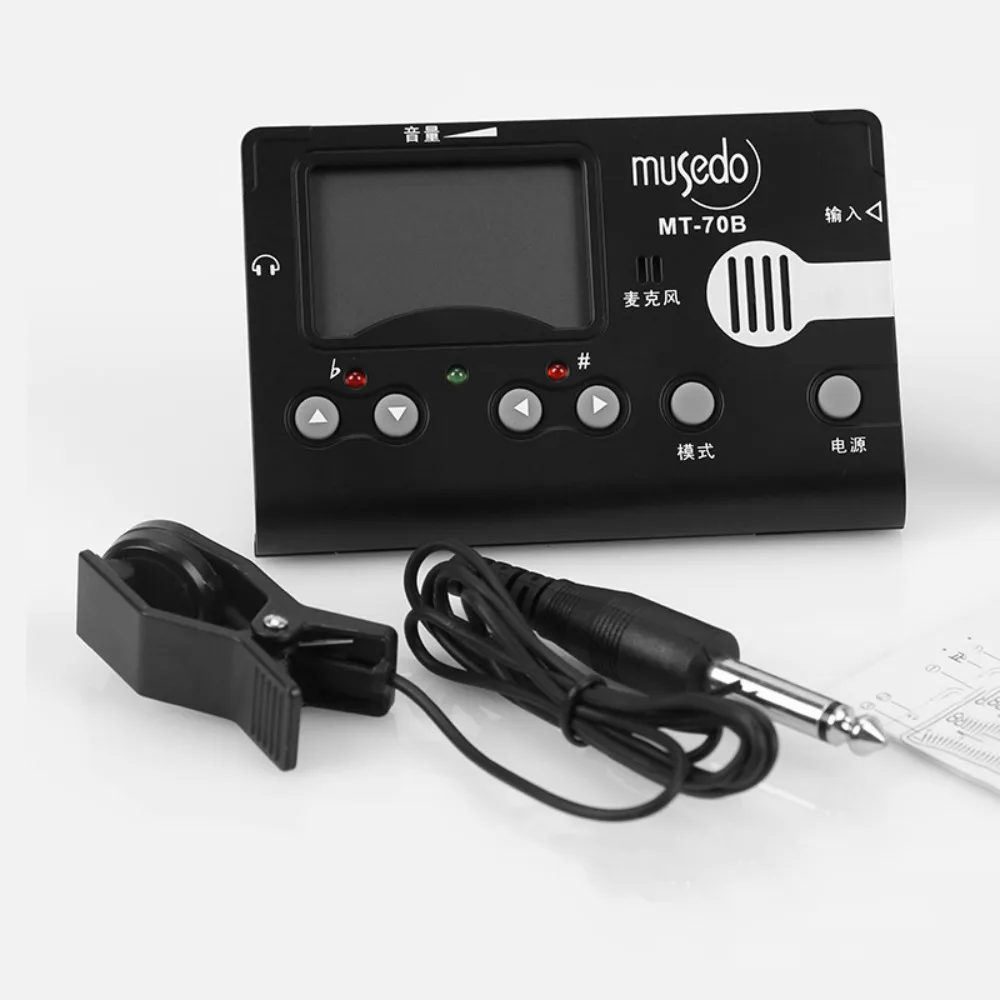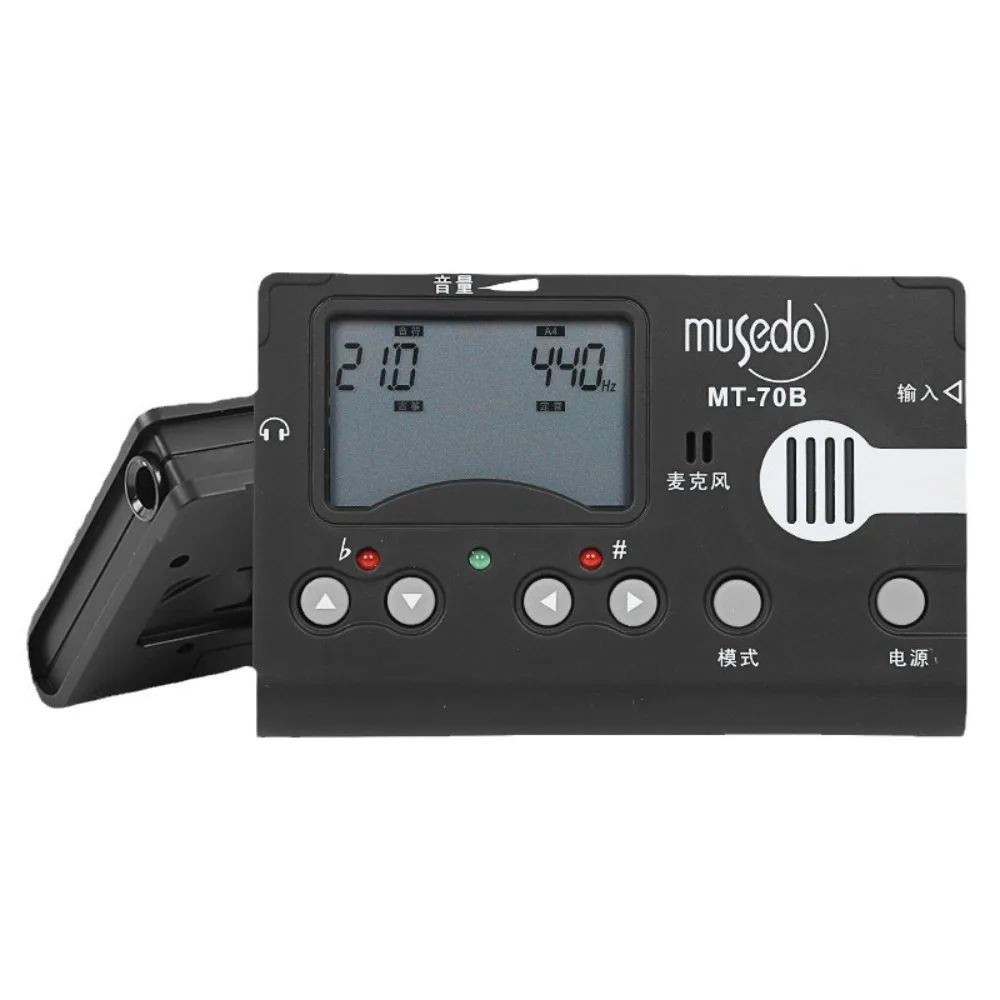
Métronome Électronique Portable : Le MUST-HAVE des Musiciens !
- Métronome portable pour musiciens débutants
- Meilleur métronome électronique portable pas cher
- Métronome digital compact pour batterie (rythme, tempo, batteur)
- Comment choisir un métronome portable pour piano (temps, accords, mélodies)
- Fonctionnalités avancées d'un métronome électronique (subdivisions, signatures temporelles)
- Métronome portable avec mémoires de tempo (pratique, répertoire, exercices)
- Comparatif métronome électronique portable (BPM, sons, volume)
- Réglage précis du tempo sur métronome portable (vitesse, précision, accélération)
- Métronome portable avec sortie casque (silence, concentration, écoute)
- Avantages du métronome électronique portable pour améliorer le timing
- Métronome portable et exercices de solfège (rythme, théorie musicale, partitions)
- Marques de métronome électronique portable recommandées (Boss, Korg, Seiko)
- Métronome portable pour musiciens professionnels (live, studio, enregistrement)
- Utiliser un métronome portable pour le chant (justesse, vocalisation, chant)
- Métronome portable avec métronome visuel (flash, LED, aide visuelle)
- Métronome portable et le développement de l'oreille musicale (rythme interne, groove)
- Batterie pour métronome portable (autonomie, piles, alimentation)
- Applications de métronome portable pour smartphones (gratuites, payantes, iOS, Android)
- Métronome portable et les différents instruments de musique (guitare, violon, flûte)
- Trouver un métronome électronique portable durable et fiable (qualité, robustesse, longévité)
- Métronome portable avec modes de répétition (entraînement, exercices, apprentissage)
- Les erreurs à éviter avec un métronome portable (utilisation, pratique, confusion)
- Métronome portable et la synchronisation avec d'autres instruments (ensemble, coordination, harmonie)
- Métronome portable et guide d'utilisation (manuel, tutoriel, réglages)
- Métronome portable pour l'étude du jazz (swing, improvisation, phrasé)
- Métronome portable pour débuter la musique (apprendre le rythme, maîtriser le tempo)
Métronome Électronique Portable : Le MUST-HAVE des Musiciens !
Révolutionnez votre Ukulélé : 6 clés de réglage pro en alliage zinc !My Brain's Best Friend (and Enemy): Why You NEED a Portable Electronic Metronome
Alright, let's be real. We've all been there. You're jamming, feeling the groove, absolutely killing it… or so you think. Then, reality crashes in like a cymbal hit WAY off-beat: you're dragging. Or rushing. Or just… generally not keeping the beat. Cue the internal facepalm. My friends, that's where the humble, yet mighty, portable electronic metronome strides in, ready to save your musical life. Forget fancy features for a second – this isn't about flash. This is about survival.
H2: The Metronome: More Than Just a Clicky Box
Let's get something straight: the metronome isn't sexy. It's not a shimmering guitar with a legendary history. It’s a small, usually plastic, box that clicks. But within that click lies the key to unlocking a whole new level of musicianship. Forget instant gratification; this is about the long game. This is about discipline. This is about… well, actually playing in time.
H3: Why I Was Wrong About Metronomes (and Why You Might Be Too)
For YEARS – I kid you not – I avoided the metronome. “Too robotic!” I'd whine. “Kills the vibe!” I’d declare, puffing out my chest like a wannabe rockstar. I thought I felt the beat. Turns out, “feeling” is subjective, especially when you're convinced you're the next Hendrix. The metronome? It doesn't lie. It's brutally, beautifully honest. It exposed my weaknesses. It forced me to confront the truth: I needed practice. A LOT of practice.
H3: The Glorious Simplicity of the Click
That click. It's the heartbeat of your music. The steady drumbeat of discipline. Ugh, cheesy, I know. But it's true! You listen to it, you internalize it, you become it. Suddenly, those tricky passages you’ve been struggling with magically start to… well, not magically, but they start to make sense. The metronome breaks down the impossible, one click at a time. This is powerful stuff!
H2: Finding Your Perfect Click-Companion: What to Look For
So, you're sold! You're ready to embrace the click. Excellent! But which metronome to choose? Don't get overwhelmed by the options. You can find incredibly good stuff, and incredibly bad stuff.
H3: The "Must-Haves" (aka, Don't Be Stupid)
- Portability: Seriously. Get a portable one. The desk-based ones? Cute. But if you're practicing, you need to be able to take your metronome with you. And for the love of all that is holy, batteries! That's it.
- Volume Control: Because sometimes you gotta crank it up. Other times, you gotta whisper it. (My neighbor would appreciate the latter, probably).
- Customizable Beats: Different time signatures, subdivisions… the more options the better. It’s a world of practice possibilities out there.
H3: Features That Are Nice to Have, But Not Essential (aka, The Fancy Stuff)
- Headphone Jack: A lifesaver for quiet practice sessions, especially if you share a house with anyone, or if you have sensitive ears.
- Visual Feedback: Some metronomes have flashing lights along with the clicks, which can be helpful for certain exercises. I, for one, find it distracting. But, if you need it, don't ignore it.
- Presets: Being able to save tempo settings can save you a lot of time, especially if you practice a lot of songs.
H3: My Personal Horror Story (and Why I Recommend Avoiding Cheap Ones)
I once bought the cheapest metronome I could find. Big mistake. It sounded like a dying insect stuck in a tin can. The volume knob barely functioned. The plastic felt like it would shatter if I looked at it funny. And guess what? It died on me after like… two weeks. Moral of the story: don't skimp. A decent model will last you years and save you a lot of musical frustration.
H2: "Playing With" the Metronome: Tips, Tricks, and Tales from the Trenches
Okay, you've got your metronome. Now what? The real fun – and the real work – begins.
H3: Baby Steps: Starting Slow and Building Up
The temptation is to jump right in at your "normal" tempo. Resist! Start ridiculously slow. Like, painfully slow. Then, gradually increase the tempo, one click at a time. This is how you build accuracy and precision. It's also how you discover hidden flaws in your playing.
H3: The Power of Subdivision: Breaking Down the Beat
Experiment with different subdivisions. Quarter notes, eighth notes, triplets… The metronome can help you internalize these rhythms and truly understand the structure of the music. This isn't just about hitting the right notes; it's about understanding the architecture of the timing.
H3: My Epic Fail (and How I Recovered): A Stream-of-Consciousness Account
I remember a time, I was trying to learn this insane, complex piece. I'd been "practicing" for weeks, thinking I was making progress. Then, I finally forced myself to use the metronome. And the music crumbled around me. My timing was a disaster. I wanted to rage-quit, sell my guitar, and take up underwater basket weaving. Seriously!
The first few days were torture. I was fighting the click, cursing the tempo, and just… feeling humiliated. But something shifted. As I kept the metronome on, practicing the same measure for hours, sometimes it became a friend. One night, late, after a particularly frustrating session, I started laughing. I knew, with all my nervous heart, that I started to understand. I was listening. Slowly, painfully, I started to feel the beat, not just hear it. And slowly, the piece, the beast, became something I could play.
H2: The Bottom Line: Is the Metronome Really Worth It?
Absolutely, unequivocally, YES. Even if you think you don't need it. Even if it feels robotic and boring. Your playing will improve. Your timing will get better. You’ll be able to play with others without creating a musical train wreck.
H3: The Metronome is for Everyone (Except Maybe Robots)
Whether you're a beginner or a seasoned pro, the portable electronic metronome is an invaluable tool. It's not a magic bullet, but it's a powerful ally on your musical journey. Embrace the click. Embrace the discipline. Embrace the future of your musicianship. And for the love of all that is holy, practice!
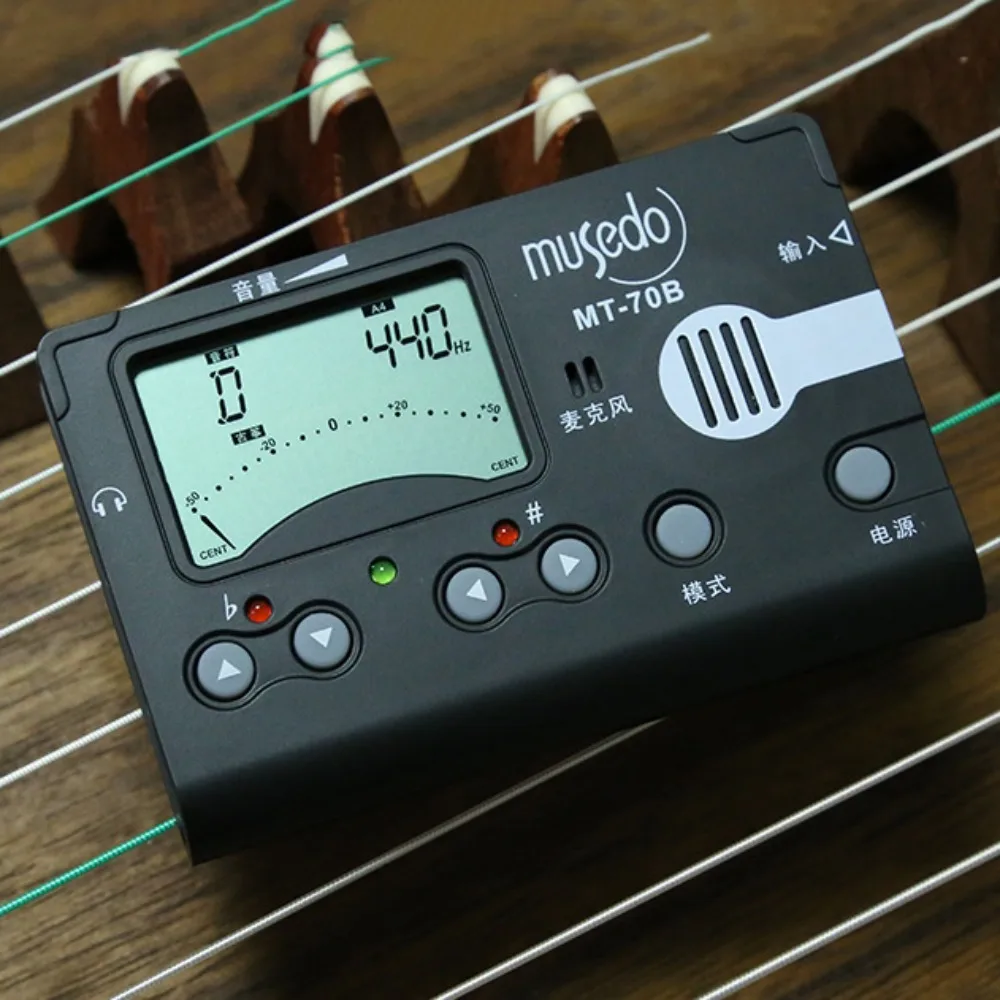
Alors, ce métronome électronique portable... Vraiment LE MUST-HAVE ? Franchement, il *faut* le prendre ?
Ah, la question à mille balles ! *MUST-HAVE*... Franchement, ça dépend... Disons que, pour moi, c'est comme... comme mes chaussettes. Est-ce qu'on *doit* les porter tous les jours ? Bah, oui, sinon bonjour les odeurs et les regards perplexe des autres. Ce métronome ? C'est un peu la même chose pour un musicien. Si tu veux vraiment progresser, si tu veux que tes rythmes soient... *précis*, il est quasi-indispensable. Sérieusement, rappelez-vous l'époque où on tapait du pied comme des bourrins ? Et puis ces moments de solitude où ton tempo s'emballe comme un cheval fou... C'est fini ! Enfin, presque. J'y reviendrai.
C'est quoi, au juste, ce truc ? Il fait quoi ce métronome, à part "tic-tac" ?
Oh, le métronome... Le truc qui te harcèle gentiment avec un "tic" (ou un "bip", ça dépend le modèle) constant. Il te donne le tempo, la vitesse à laquelle tu dois jouer. Genre, tu veux jouer un morceau à 120 battements par minute (BPM) ? Tu règle le métronome à 120, et il te tape la mesure. C'est un peu comme un coach sportif invisible. Il te force à respecter le rythme, ce qui, au début, est... *difficile*. J'ai pleuré, je vous le dis ! Surtout quand t'as pas le truc dans le sang et que tu te retrouves à courir après le tic-tac comme un chat après une souris laser. Mais après, ça devient une habitude, et tu commences à entendre *vraiment* la musique.
Pourquoi un métronome portable plutôt qu'un appli sur mon téléphone ? Y a-t-il une différence ?
Ah, la question du siècle ! L'application, c'est bien, hein ? C'est facile, gratuit (enfin, presque), tu l'as toujours sur toi... Mais attention ! Le portable, c'est un peu le *pro*. Imagine : tu répètes, tu as besoin d'un métronome précis, qui ne te lâche pas à cause d'un appel urgent, d'une notification intrus... Le portable peut être une distraction monstrueuse. En plus, j'ai déjà vu des applis bugger, planter en plein milieu d'un morceau... LA CATASTROPHE ! Un métronome portable, c'est juste un outil pour la musique, sans chichis, sans distractions. C'est une question de concentration. Et puis, faut avouer, c'est quand même plus classe de sortir un petit appareil dédié. C'est un peu comme avoir un vrai couteau suisse plutôt qu'un vulgaire ouvre-boîte. (J'adore les couteaux suisses, je m'égare...)
Quels sont les inconvénients de ce machin ? Y en a forcément, non ?
Ah, oui, les inconvénients... Bien sûr qu'il y en a. Déjà, ça peut coûter un bras. Les bons modèles, ça se paye. Ensuite, il faut penser aux piles. *TOUJOURS* des piles. Et quand tu te pointes à une répétition, paniqué, et que tu réalises que tu as oublié les piles... C'est le drame. Le métronome portable, c'est un peu comme un animal de compagnie, faut en prendre soin. Et puis, honnêtement, au début, c'est *chiant*. Ça te force à ralentir, à te concentrer, à jouer juste. Et ça, ça peut être frustrant. Surtout quand tu veux juste jouer ton morceau à fond la caisse et que tu te fais reprendre par le "tic-tac" incessant. J'y suis retourné... encore et encore... et encore.
C'est facile à utiliser, au moins ? Moi et la technologie...
Facile... Très facile, généralement. On parle pas d'un vaisseau spatial là. Y'a un bouton pour allumer, un bouton pour régler le tempo, et c'est tout. Les modèles les plus sophistiqués ont des réglages pour les rythmes, les temps forts, etc. Mais même les plus basiques sont intuitifs. Si vous savez appuyer sur un bouton, vous pouvez utiliser un métronome. Sauf si vous avez vraiment, vraiment une totale aversion pour la technologie (et dans ce cas, vous devriez peut-être repenser à votre choix de carrière musicale, je dis ça, je dis rien…). Soyez rassuré, c'est plus facile qu'un four micro-ondes. Et puis, avouez-le, c'est quand même plus "pro" qu'une appli sur un téléphone qui vibre sans arrêt.
Y'a-t-il des marques ou des modèles spécifiques à recommander ? Des trucs à éviter ?
Ah, les marques... C'est comme les guitares, y'a de tout. Boss, Korg, Tama... Ils ont tous leurs trucs. Regardez les avis, bien sûr. Mais mon conseil : essayez-en un en magasin. Tenez-le en main, voyez si les boutons sont faciles à manipuler, si le son est clair, si le volume est suffisant… Certains métronomes ont un son de merde, genre "bip-bip" qui vous donne plus envie de jeter le machin par la fenêtre que de travailler. Évitez les trucs trop cheap, ça risque de tomber en panne au bout de trois répétitions. Investissez un peu, ça vaut le coup sur le long terme. Et surtout, choisissez un modèle qui vous plaît. Si vous le trouvez moche, ou trop compliqué, vous risquez de ne pas l'utiliser. Et à quoi bon alors...? J'ai un pote qui avait un truc tellement compliqué qu'il passait plus de temps à le régler qu'à jouer. Résultat ? Le métronome était au fond du sac, et lui... il jouait faux. (Rires nerveux...)
Comment intégrer ce truc dans ma pratique quotidienne ? Genre, concrètement ?
Alors, concrètement... Le plus simple, c'est de commencer par l'échauffement. Mettez le métronome à un tempo lent, et jouez vos gammes, vos exercices techniques. Ça vous force à être précis, à jouer sans vous précipiter. Ensuite, quand vous travaillez un morceau, commencez lentement. *Très* lentement. Ralentissez encore. Jusqu'