
Voilà quelques mots-clés longue traîne en français, liés au sujet "Le Secret des Violoncellistes Pros : 4 Chevilles d'Accord Incroyables !", avec des termes LSI :
Comment accorder son violoncelle parfaitement : secret des professionnels et astuces de justesse. (accordage, justesse, intonation, chevilles, réglages fins, techniques, tutoriel, violoncelle débutant, méthode facile)
Le secret des violoncellistes virtuoses pour des chevilles d'accord stables et précises : guide détaillé. (stabilité, précision, chevilles d’accordage, entretien, lubrification, blocage, problèmes courants, solutions, performance, excellence)
4 chevilles d'accord de violoncelle exceptionnelles : quels matériaux et marques inspirent les pros ? (matériaux, ébène, palissandre, qualité, fabricant, modèle, prix, comparatif, choix des professionnels, recommandations)
Techniques d'accordage avancées au violoncelle : secrets de l'accord parfait et harmoniques. (harmoniques, octave, diapason, accord fin, vibrato, résonance, oreille musicale, exercices, cours de violoncelle, perfectionnement)
Prévenir et résoudre les problèmes de chevilles bloquées ou glissantes : conseils de musiciens experts en violoncelle. (chevilles bloquées, chevilles glissantes, grippage, entretien, réparation, changer les chevilles, conseils, astuces, bricolage, luthier)
Le kit d'accordage idéal pour violoncelle : outils indispensables et accessoires recommandés par les professionnels. (outils, huile de chevilles, étui, tuners électroniques, accordeur, méticuleux, précis, matériel, budget, indispensables)
Comprendre l'impact des chevilles sur le son du violoncelle : la science derrière la justesse et la résonance. (son, résonance, vibrations, qualité sonore, projection, influence des chevilles, acoustique, expérience, ressentis, nuances)
Tutoriels et exercices d'accordage pour violoncelle : développer une oreille parfaite et un accord précis. (oreille absolue, exercices auditifs, justesse, intonation, gammes, arpèges, reconnaissance des notes, cours en ligne, pratique régulière)
Secrets de l'accord et de l'entretien des chevilles pour préserver son violoncelle : conseils d'experts et meilleures pratiques. (entretien, huiler, nettoyer, protéger, humidité, température, longévité, conservation, valeur, conseils personnalisés)
Pourquoi les chevilles de mon violoncelle tournent difficilement ? Diagnostic et solutions pour un accord facile. (difficulté, résistance, blocage, problèmes, diagnostique, solution, usure, remplacement, réparer, entretien)
Le Secret des Violoncellistes Pros: 4 Chevilles d'Accord Incroyables !
GPS HUD Révolutionnaire : Alarme, Vitesse, & Plus ! (G4S)The Cello's Dirty Little Secret: 4 Tuning Pegs That'll Blow Your Mind (and Maybe Your Fingers!)
Alright, cello lovers, string slingers, and anyone who's ever considered trading a kidney for a decent instrument – let's talk tuning. Because honestly? It's a battlefield. A delicate dance of frustration and fleeting moments of glorious, resonant perfection. And at the heart of this messy love affair? Those four little wooden pegs, holding onto the fate of your music.
H2: Why Tuning's a Nightmare (and Why It Doesn't Have to Be)
Let's be real. Tuning is hard. It's like trying to herd cats while wearing oven mitts. One second you think you've got it, the next twang – you’re out of tune again. I've spent hours, literally, sweating over those cursed pegs. My fingers would ache, the bow would tremble, and the cello would just sit there, judging me with its big, wooden eyes.
But here's the good news: it doesn't have to be a soul-crushing experience. And the secret weapon? These four magical, potentially-life-altering pegs. (Okay, I’m being dramatic. Mostly.)
H2: Peg #1: The Wood Whisperer - Understanding Your Instrument's Soul
Before we get to the pegs, let’s talk about the actual instrument. You can't just slap any old wood on a cello and expect it to sing. Different woods, different ages, different varnishes… they all play a part in how easily (or not) your pegs cooperate.
H3: Wood Types and Temperaments:
Some woods are naturally more stable than others. Maple, for example, is a common and reliable choice. But mahogany? Well, mahogany has a mind of its own. I had this gorgeous cello once, all rich, dark mahogany. Absolutely stunning. But getting it to stay in tune? Forget about it. It was a constant struggle, a test of wills between me and a stubborn piece of wood. We eventually parted ways. I miss the look, though. Sigh.
Anecdote time! Back in music school, I had a professor who used to say, "Your cello is a living thing. You have to listen to it." I scoffed. "Listen to wood?" But now, after years of battling tuning, I get it. Your cello has a personality. Get to know it.
H3: The Perfect Fit (and Why It's Not Always Perfect):
The pegs themselves need to fit the pegbox just right. Too loose, and they’ll slip constantly. Too tight, and you’ll be wrestling them into submission. Finding that sweet spot is key. Professionals swear by having their pegs professionally fitted. It’s a pain, it costs money, but trust me, it's worth it.
My disastrous peg adventure: One time, I tried to "fix" my slipping pegs with some DIY peg dope (essentially, chalk). Disaster. The pegs became so stiff, I almost broke one. Then, when I finally, finally, got it to budge, ZING! The string snapped. Cue angry tears and a frantic trip to the music store. Learn from my mistakes, people!
H2: Peg #2: The Lubrication Liberation - Keeping Things Slippy and (Mostly) Happy
Okay, so you've got decent pegs that fit. Now, let's talk lubrication. Think of it like greasing the gears on a finely tuned machine. Or, you know, a cello.
H3: The Great Peg Dope Debate:
- There are endless opinions on peg dope (or peg compound). Some swear by graphite, others by soap, and still others by secret family recipes passed down through generations of cellists. The key is to find one that works for you and your cello.
- Opinion alert! I've tried a bunch, and honestly? I'm a fan of good old-fashioned peg compound. It's reliable, readily available, and doesn't usually lead to spontaneous string breakage (see disastrous peg adventure, above).
H3: Application Techniques (And Staying Sane):
- Less is more. Don't slather the stuff on like you're frosting a cake. A little bit goes a long way.
- Stream of consciousness alert! Applying peg dope is a delicate dance. Too much, and the pegs get sticky. Too little, and they slip. It's a Goldilocks situation, and you're constantly adjusting, trying to find the "just right" feel. It’s a frustrating process, but when you finally hit that sweet spot and feel the peg moving smoothly and holding steady, it's… chef’s kiss. Glorious.
H2: Peg #3: The Tightening Tango - Mastering the Art of the (Gentle) Twist
This is where the rubber meets the road, folks. The actual turning of the pegs. It seems simple, but there's an art to it.
H3: The Proper Grip (Or, How Not to Wreck Your Pegs):
- Hold the peg firmly but gently. Don't death-grip it. You're not wrestling a bear.
- Quirky observation! I always picture my fingers as tiny little conductors, directing the flow of sound with each precise turn. (Okay, maybe a bit dramatic.)
H3: Tuning by Ear (and Why a Tuner is Your Best Friend):
- We all want to be able to tune by ear. It's a sign of musical prowess, right? But let's be honest, especially in those early days, a tuner is essential. It’s your safety net, your guiding light in the sometimes-dark world of cello tuning. Embrace the technology! (I still use mine, years later. Don't judge.)
H3: The Fine-Tuning Frenzy:
- Small adjustments are key. Tiny, incremental turns. The cello responds beautifully when it is in the sweet spot -- just right. It can also drive you completely crazy when it's not.
H2: Peg #4: The String Symphony - Choosing the Right Strings and the Tuning Cycle
Strings, strings, strings. They are the source of our cello's sound, and they get to bear much of the burden when it comes to holding a tune.
H3: String Types - From Steel to Gut:
- There are so many types of strings out there to choose from. Each material has its pros and cons and each also has its own specific tuning qualities. The material affects the sound and also the amount of tension a string can take without breaking.
- Emotional reaction! I remember the utter disappointment I felt the first time I broke a string. The moment everything went dead on the cello. I can still recall the feeling, the shock. Good quality strings can help preserve that, but we all experience the strings breaking on us sometimes.
H3: The Tuning Cycle - A Constant Refinement:
- When you first tune, expect the strings to stretch and settle. Repeatedly tune them until they begin to hold.
- Messy structure and rambles! There's a whole science to the tuning cycle. You twist, you bend, you fine-tune, you think you're done, you play a few notes, and whoooosh - now you're down a half-step. It's maddening! But after a while, you develop a rhythm. You know when to expect the strings to settle, when to give them a little extra "oomph," and when to just give up for the day and come back to it tomorrow. Then you'd start over, and it never exactly stays in tune. But the longer you play, the closer you get.
H1: Conclusion: Embracing the Imperfection (and the Occasional Breakdown)
So, there you have it. The not-so-secret secrets of the cello's tuning pegs. It's a challenging process, a constant battle. A journey of discovery. (Okay, I’m being dramatic again.) But it's also part of the magic, right?
The imperfections, the struggles, the moments of glorious, resonant perfection… that's what makes playing the cello so unique. So embrace the tuning headaches. Embrace the slippery pegs. Embrace the occasional string breakage. And keep twisting, keep tuning, and keep making music. Because, damn, when your cello finally sings… it's worth it.
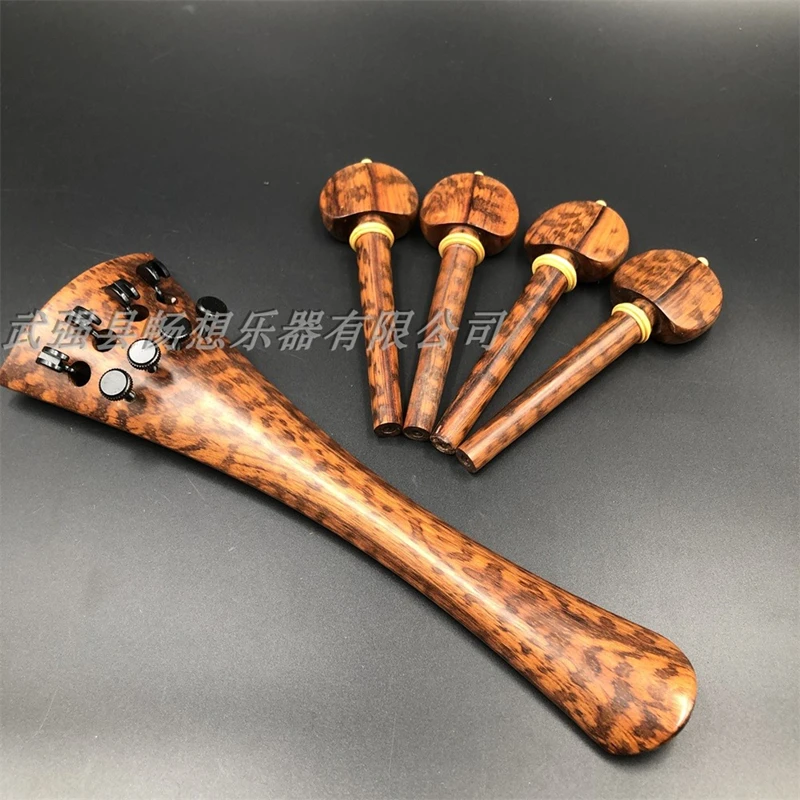
FAQ: Le Secret des Violoncellistes Pros: 4 Chevilles d'Accord Incroyables ! (ouais, vraiment incroyables... parfois)
C'est quoi, ces "4 Chevilles d'Accord Incroyables" dont tout le monde parle ?
Ah, ça ! C'est le truc qui te promet la perfection, tu vois ? L'accord parfait, la stabilité à toute épreuve, et... bon, en gros, elles sont sensées faciliter la vie des violoncellistes. On parle de quatre chevilles d'accord, celles qu'on utilise pour accorder les cordes, qui seraient, selon les experts (et les marketeux), *incroyables*. Mais crois-moi, des fois... c'est plus "incroyable" dans le sens "incroyablement chiant" !
J'me souviens, la première fois que j'ai essayé ces bidules... j'étais comme un gosse avec un nouveau jouet. "Oh, c'est beau, ça brille, ça doit être génial !" Sauf que... au bout de deux heures, j'étais en sueur, persuadé que j'allais casser mon violoncelle. J'ai même appelé mon prof, en larmes, en lui disant que j'avais besoin d'une séance de thérapie de cheville.
Elles sont vraiment si différentes des chevilles classiques ?
Oh oui, et comment ! Les chevilles classiques, c'est le good old reliable. Tu tournes, ça accorde (souvent, avec un peu de chance), tu serres, ça tient (parfois, avec un peu de superglue...). Ces "incroyables" ? Bah, elles ont souvent des mécanismes plus sophistiqués, des matériaux différents... Genre, des fois, tu as des vis micrométriques pour l'accord précis... Ce qui est cool, sur le papier. Sauf quand tu as des doigts de saucisse comme les miens, et que tu te retrouves à jongler entre les vis et le reste de la cheville, tu vois?
Et y'a une fois... Une fois, j'étais en concert, et BOUM ! Ma cheville, qui apparemment avait décidé de faire grève, s'est barrée en plein milieu du mouvement lent. Le public, les musiciens... tout le monde m'a regardé. J'ai tenté de la remettre, comme un bourrin, et là... elle a lâché. J'étais rouge pivoine ! J'ai dû jouer la suite avec une corde désaccordée. *Merci* les chevilles "incroyables".
Est-ce qu'elles valent vraiment l'investissement ? Parce que ça coûte cher, non ?
Ça, c'est la question qui fâche ! Oui, c'est cher. Très cher. Plus cher qu'une bonne bouteille de champagne... et moins satisfaisant, parfois. Est-ce que ça vaut le coup ? C'est... ça dépend. Si tu es un violoncelliste professionnel avec une bourse bien garnie, qui joue dans des salles prestigieuses et que tu as vraiment besoin d'une stabilité d'accord PARFAITE... pourquoi pas ?
Mais pour le violoncelliste du dimanche, qui fait des concerts amateurs... Je dirais non. Honnêtement, tu peux t'en sortir avec des chevilles classiques de bonne qualité, et apprendre à les connaître. Et puis, avec l'argent que tu économises, tu peux t'offrir un bon archer ! Ça, c'est une dépense *intelligente*.
J'ai du mal avec l'accordage en général. Est-ce que ces chevilles vont m'aider ?
Euh... non. Ne compte surtout pas là-dessus. Elles NE sont pas magiques. Si tu as du mal avec l'accordage, il faut bosser l'oreille, apprendre à reconnaître les intervalles, et surtout, pratiquer, pratiquer, pratiquer. Ces chevilles, elles ne font qu'optimiser ce que tu sais déjà. Ce n'est pas la baguette magique pour devenir un pro de l'accordage. C'est comme croire qu'une belle Ferrari te fera gagner le championnat de F1 sans heures d'entrainement et les bases du pilotage !
J'ai eu un élève, une fois, qui a acheté ces chevilles en espérant que ça le sauverait. Il n'a jamais accordé son violoncelle correctement, et c'était une véritable catastrophe. Il est venu me voir après, désespéré. "Mais les chevilles, elles ne fonctionnent pas !" Non, mon ami, le problème ce n'est pas la cheville... c'est l'oreille !
Y a-t-il des inconvénients majeurs à considérer ?
Absolument. Déjà, le prix, on en a parlé. Mais il y a autre chose d'important : la complexité. Plus de pièces, plus de possibilités de pannes. Et puis, les chevilles "incroyables", ce n'est pas toujours facile à manipuler, surtout au début. Tu passes plus de temps à bidouiller qu'à jouer. Et ça, c'est... frustrant. Imagine-toi en pleine répétition avec un orchestre, et PAF ! une cheville qui refuse de fonctionner. C'est du vécu !
Un autre truc ? Le look. Certaines sont... comment dire... "particulières". C'est pas toujours le plus esthétique sur un instrument classique ! J’ai vu des chevilles qui ressemblaient à des engins spatiaux sur un violoncelle du XVIIIe siècle. Un crime !
Alors, verdict ? Faut-il ou ne faut-il pas les acheter finalement ?
Le verdict... c'est compliqué. C'est du "ça dépend". Si tu es curieux, que tu as les moyens et que tu es prêt à te casser les dents (littéralement, parfois), vas-y, essaie. Mais ne t'attends pas à un miracle. Achète-les avec une bonne dose de scepticisme, d’humour (ça aide !) et surtout, avec une bonne dose de patience.
Pour moi ? J'ai essayé. J'ai aimé... et je suis revenu aux chevilles classiques. C'est plus simple, plus fiable, et honnêtement, je préfère investir dans un bon archet. Mais bon, c'est MON expérience ! Toi, fais ton propre choix. Mais n'oublie pas... l'accord parfait, ça se travaille, ça ne se vend pas ! Et parfois, le vrai secret est de savoir apprivoiser ses propres faiblesses. Genre... les doigts qui tremblent quand on accorde devant un public. Mais ça, c'est une autre histoire...


